Page 49 - TLU magazine - The Way to The Top
P. 49
  Therefore, similar surprises can also be ex- pected from robots in artistic activities. The researcher is most interested in how to teach them about metaphorical thinking.
The work will be written, rooms and decora- tions planned and stage solutions found in the 2019/2020 academic year. After that, the focus is on bringing the performance to the stage, with the end result expected in December 2020.
The idea was born in February 2019 from a performance by Vaba Lava and MEDIT “The Cloud Opera or The Dido Problem”. The core team consists of special effects specialist and animator Sander Tuvikene, theatre artist Liina Keevallik, director Mart Kampus, the technical team of MEDIT and students. The project is advised by the postdoctoral supervisor of Liina Keevallik, professor Indrek Ibrus. The machine learning and data analysis specialists from the institute of digital technology and BFM, co- supervisor lecturer Jaagup Kippar and research- ers Pia Tikka and Ermo Säks, are involved. It is hoped to cooperate with robotics lab Digipada and the ELU project teams. IT company STACC from Tartu offers advice and strength.
Communications Manager Sulev Oll
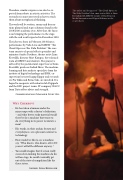
The author and designer of “The Cloud Opera or The Dido Problem” that came out in 2019 is Liina Keevallik,with MEDIT (Centre of Excellence in Media Innovation and Digital Culture) as the co-producer.
 Why Chekhov?
– He has taken a human under the microscope with a doctor's dedication – and what better study material would there be for a machine that wants to
do everything in its power to imitate a man?
– His words, in their archaic beauty and everydayness, are a pleasant contrast to technology.
– How would we like to see a machine say, “Who knows, who knows, after 200 years it will all be different anyway...”
– You could imagine that if a man really succeeds in making the machine do his will on stage, he could eventually get out of the state of compulsion like the three sisters.
Source: Liina Keevallik
49