

Communication Management
The Communication Management Master’s study programme offers a variety of courses focusing on different aspects of communication management. It provides systematic knowledge of contemporary communication theories, methods and approaches.
The study programme helps students understand communication processes and their role in everyday life by examining the field from different perspectives and promoting an ethical and culturally aware approach. It focuses on intercultural communication, covering not only ethnic differences but also communication related to gender, age and social background. Students also develop the skills needed to manage communication in international and multicultural environments and to explore issues related to globalisation, identity, society, and culture.
This programme is right for you if:
- you are interested in communication, contemporary media, and intercultural interaction;
- you want to learn how to manage communication strategically and solve practical problems innovatively;
- you want to develop your critical and creative thinking and apply research-based knowledge;
- you want to study in an international and multicultural environment;
- you are prepared to study in English and hold a Bachelor’s degree in any field.
Some of the core courses include:
- Introduction to Media Management and Economics
- Super-Diversity and Intercultural Communication
- Internationalization, Multiculturalism and the Challenges for Business Management
- Introduction to Media Studies, Audiovisual Culture, and Communication Management
- Research Methods
Internship opportunities
The internship is a compulsory part of the study programme. Its purpose is to introduce students to communication practices within an organisation and provide practical experience in planning and implementing communication activities.
More about the internship possibilities
Erasmus+ and exchange opportunities
Through Erasmus+, you can study abroad at Tallinn University’s partner universities both in Europe and outside the European Union. You can also apply for an Erasmus+ scholarship to support your exchange studies.
Explore Erasmus+ opportunities.
The Communication Management Master’s programme is part of the European Masters in Intercultural Communication teaching and research network. Master’s students can participate in the network’s activities with the support of an Erasmus+ scholarship.
Finishing your studies
The aim of the Master’s thesis is to apply the subject-specific and research knowledge and skills acquired during the programme to independently plan and conduct research and interpret its findings.
The thesis topic is related to the fields covered in the curriculum and may focus on strategic and organisational communication, intercultural communication, media and digital culture, communication and media strategies, audiences, or other topics related to communication management. The specific focus is developed in collaboration with the supervisor, based on the student’s interests and research problem.
The spring semester of the second year is dedicated to completing and defending the Master’s thesis.
Career Opportunities
Graduates can pursue a range of careers in communication management and development, including:
- communication managers and specialists in public-sector organisations;
- communication managers in private companies;
- consultants at communication agencies;
- communication experts and strategists, among others.
After Master's Studies you will also have the opportunity to continue on an academic pathway to PhD Studies at Tallinn University.
Meet our alumni
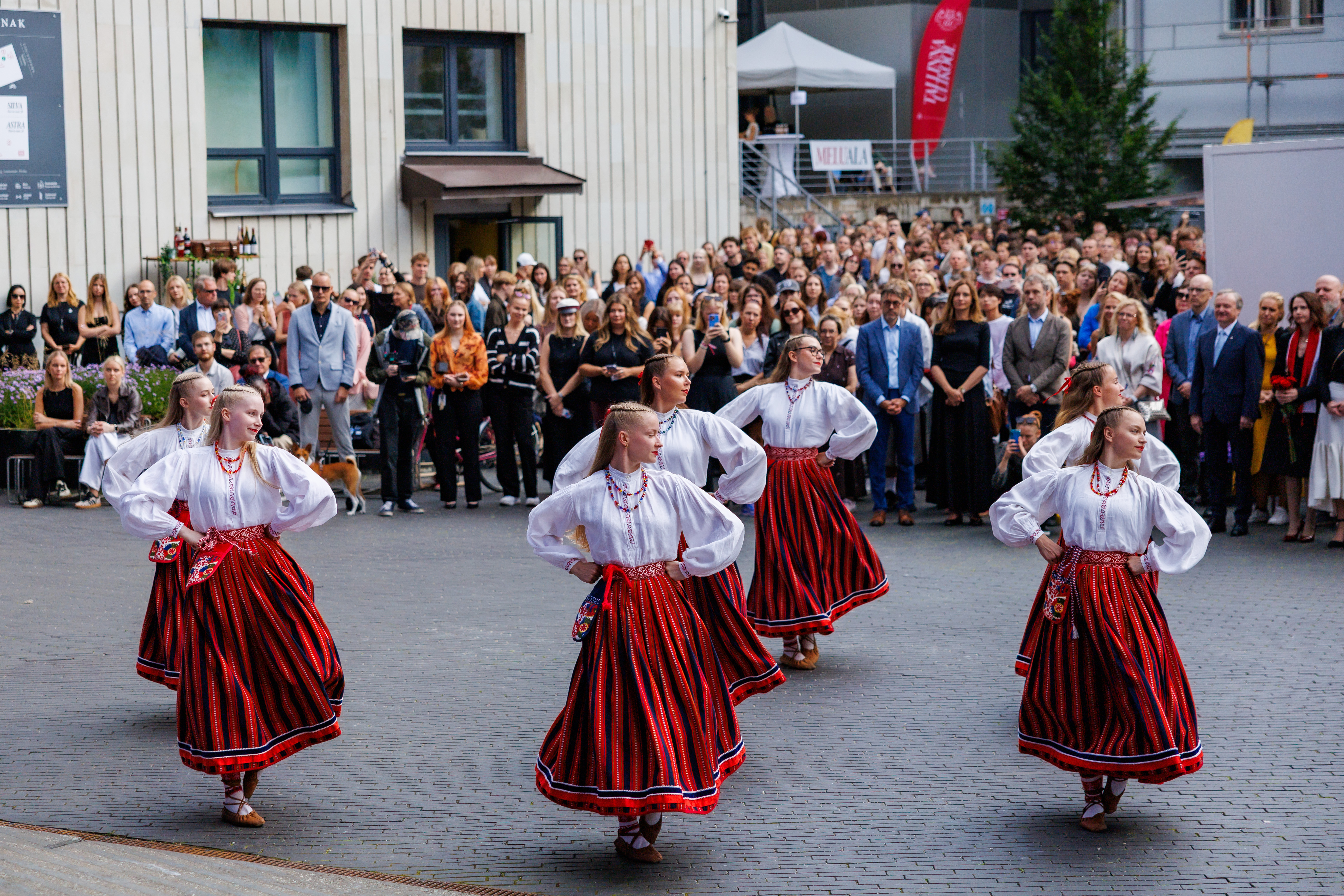
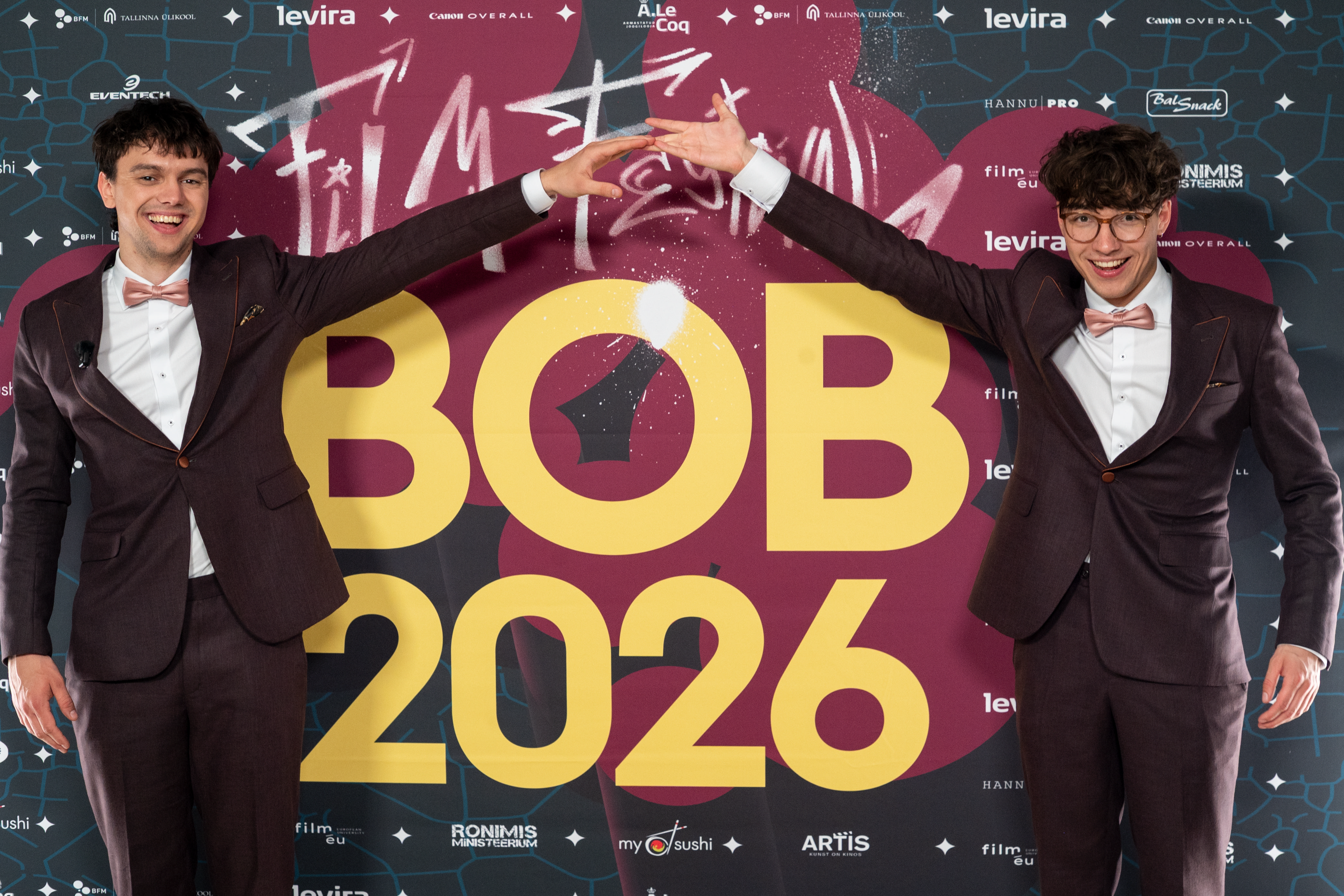
At Tallinn University, you can participate in sports, music and dance activities and join various clubs and cultural groups. BFM’s student council, Meedium, organises events and helps create an active student community. Every year, BFM also hosts the student film festival Best of BFM, or BOB, showcasing student films, music videos, advertisements and other audiovisual works. The best projects are recognised at an awards ceremony.
Students at Tallinn University’s Baltic Film, Media and Arts School have access to professional studios and state-of-the-art film and sound equipment. During your studies, you can use a film pavilion, television studio, sound studios, editing and colour grading suites, as well as video, sound and lighting equipment. The school is also home to the SuperNova 4K cinema.
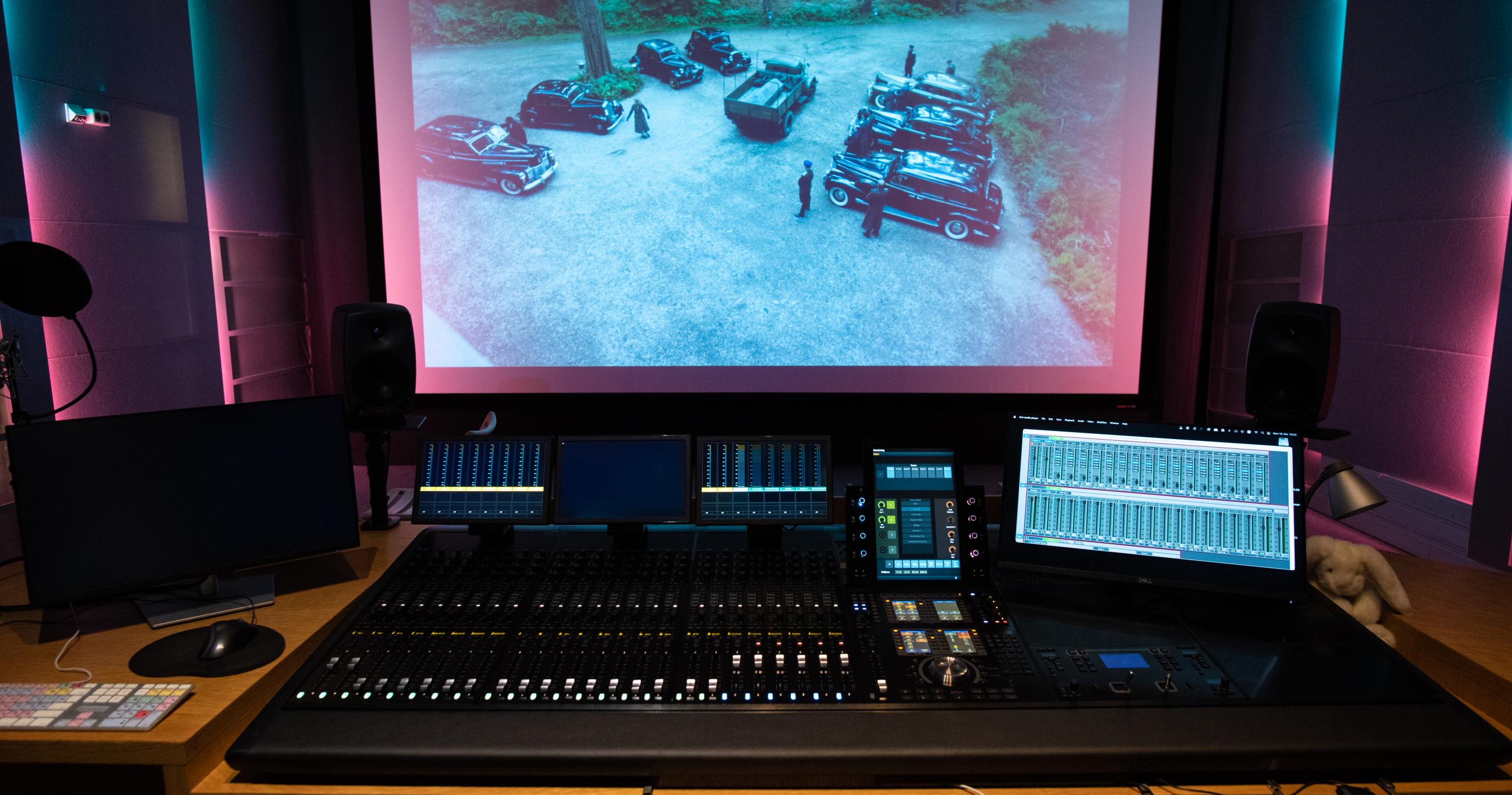
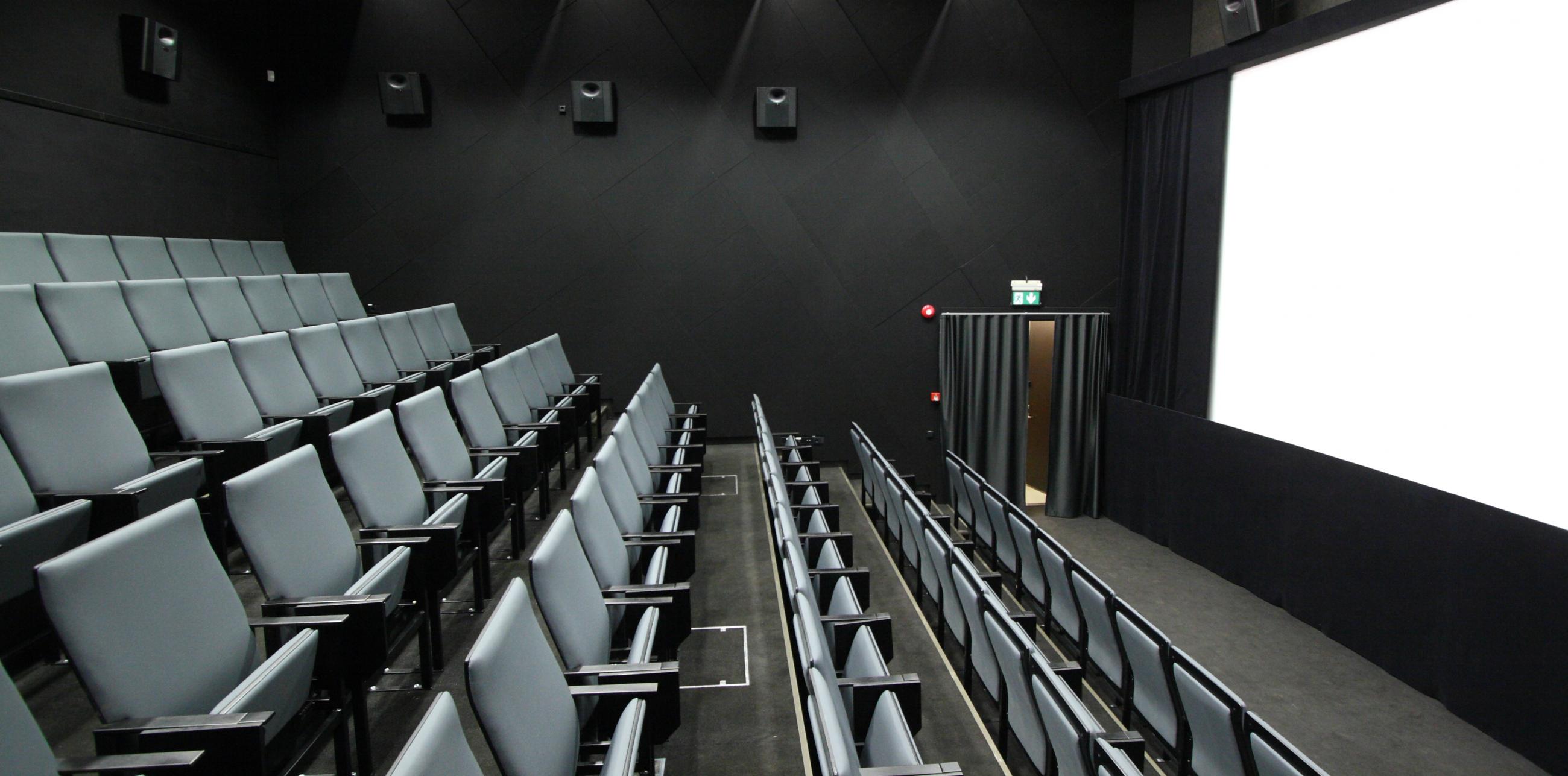
Explore BFM’s learning environment
Meet our teaching staff
Admissions
General requirements:
-
Completed Bachelor's degree
Application Deadlines and Requirements
Communication Management Entrance Exam 2027
Communication Management Entrance Evaluation Criteria 2027
Scholarships
Explore university-wide tuition-waivers and scholarship opportunities
Move to Tallinn
Studying in Tallinn, means studying at a compact European capital where education, technology and digital innovation meet. As an international student, you can benefit from Tallinn University's support and access practical information to help you settle into life in Estonia from the basics of accommodation to the details about working while studying and of course where to find the student support services.
Find information about:
- Accommodation
- VISA information
- Healthcare and insurance
- Cost of living
- Public transport
- Working while studying
- Peer support and student buddies
- Student Support Centre
Explore more practical topics that might come up as you relocate
Contacts
Crisely Apri
Study Counsellor and Specialist
visit us Narva mnt 27, 10120 Tallinn, room N-419
call us(+372) 61 99 923
Email uscrisely.apri@tlu.ee
For additional guidelines regarding the admission procedure, please contact the international admission specialist: admissions@tlu.ee
Related programmes
Crossmedia
Baltic Film, Media and Arts School
Crossmedia combines the areas of media production, storytelling and marketing, offering both theoretical groundworks and exciting practical assignments.
Documentary Film
Baltic Film, Media and Arts School
The Documentary MA programme focuses on the auteur concept of creative documentary filmmaking. During the two-year programme, students are guided in finding their authorial voice and developing their storytelling skills. Each student creates a short documentary every semester.
Audiovisual Arts and Media Studies
Baltic Film, Media and Arts School
The programme facilitates two modes of study: creative practice based audiovisual arts studies and empirical media studies. The curriculum focuses on contemporary forms and phenomena of media and audiovisual arts, first and foremost media content and media production research. Special focus is given to the processes of change in media and arts.