Future School Armenia: Tallinn University hosted Armenian school teams on a study visit
From 22–26 March 2026, a study visit for Armenian school teams took place in Tallinn as part of the international cooperation programme “Development Programs for Armenian School Leaders and School Teams.” The programme is funded by the Estonian Centre for International Development through Estonia’s development cooperation funds.
T
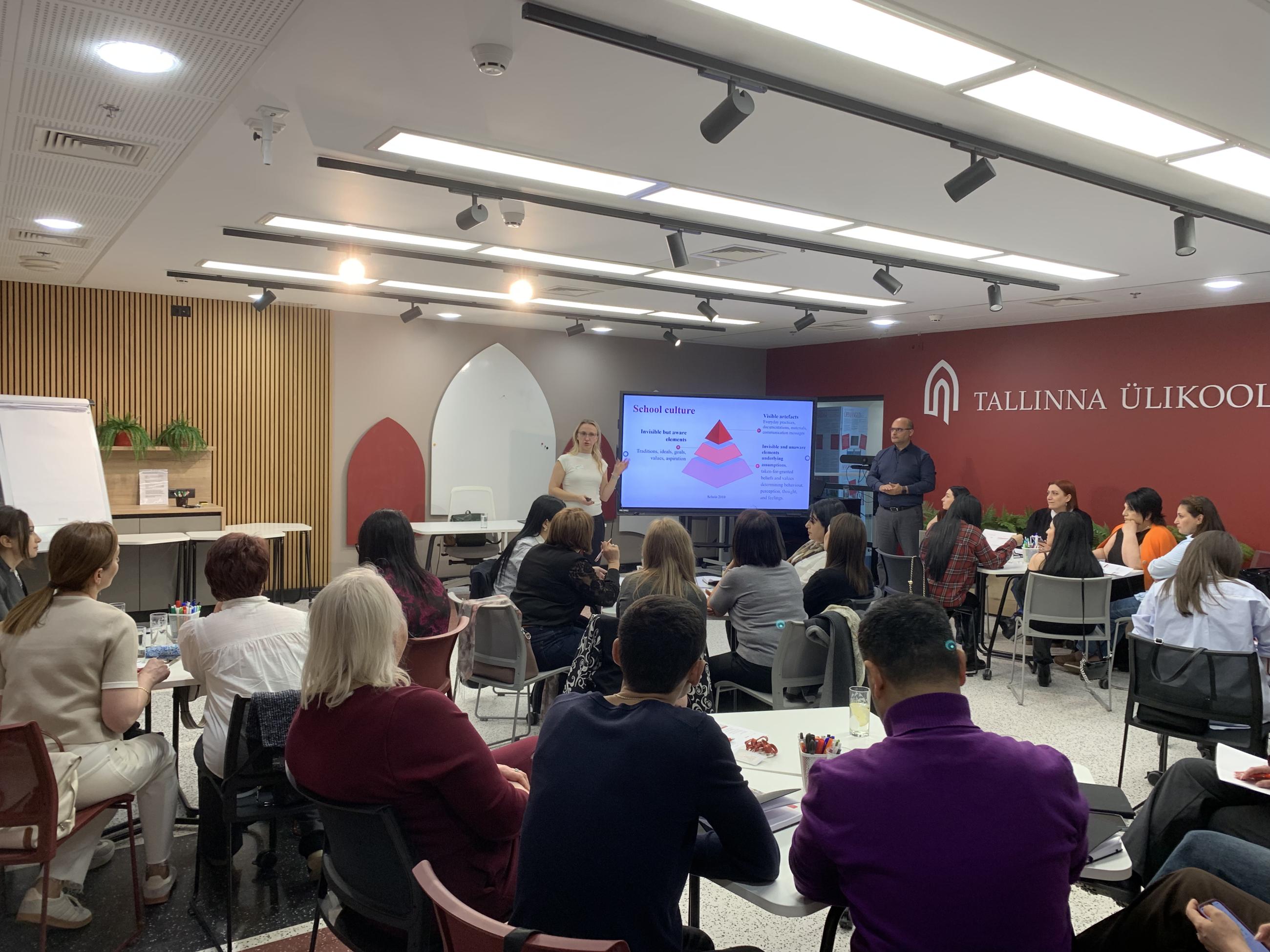
Tallinn University hosted teams from five Armenian schools: Yerevan High School No. 198, Abovyan Basic School No. 2, NUACA, Sisavan Secondary School, and Vanashen Secondary School. The aim of the visit was to support school teams in implementing systemic change based on the Future School approach.
The programme focused on key aspects of change management and was structured around four main themes:
- change management and understanding the success of Estonian education at Tallinn University
- shared leadership and learner autonomy at Tallinn Art Gymnasium
- data-driven decision-making and the transition to Estonian-language instruction at Mustamäe Humanities Gymnasium
- teacher collaboration and supporting independent learners at Pelgulinna Gymnasium
The core of the programme included classroom observations, discussions with teachers and students, and in-depth analysis of school culture. A particular emphasis was placed on how to create school environments where change is guided consciously, collaboratively, and with a focus on learning.
Artashes Torosyan, Advisor to the Armenian Ministry of Education, highlighted that the biggest challenge lies in developing school culture: “Armenian schools do not yet have a strong school culture that supports sustainable development – and that is the most difficult part.”
Armenia’s Honorary Consul in Tallinn, Piruza Harutjunjan, emphasized the importance of cooperation between the two countries and mutual learning in the field of education.
The study visit is part of a broader development programme aimed at supporting the systemic development of Armenian schools and strengthening the capacity of both school leaders and teams to lead evidence-based change. The programme focuses on implementing shared leadership, enhancing teacher collaboration, and fostering a learner-centered school culture.