New Cooperation Agreement Lays the Foundation for a New Tiger Leap
On 7 October, a trilateral cooperation agreement between the National Library of Estonia, Tallinn University and Eesti.ai came into effect. The agreement aims to develop digital competences and AI literacy, promote knowledge transfer, and support the use of digital cultural heritage in research and education.
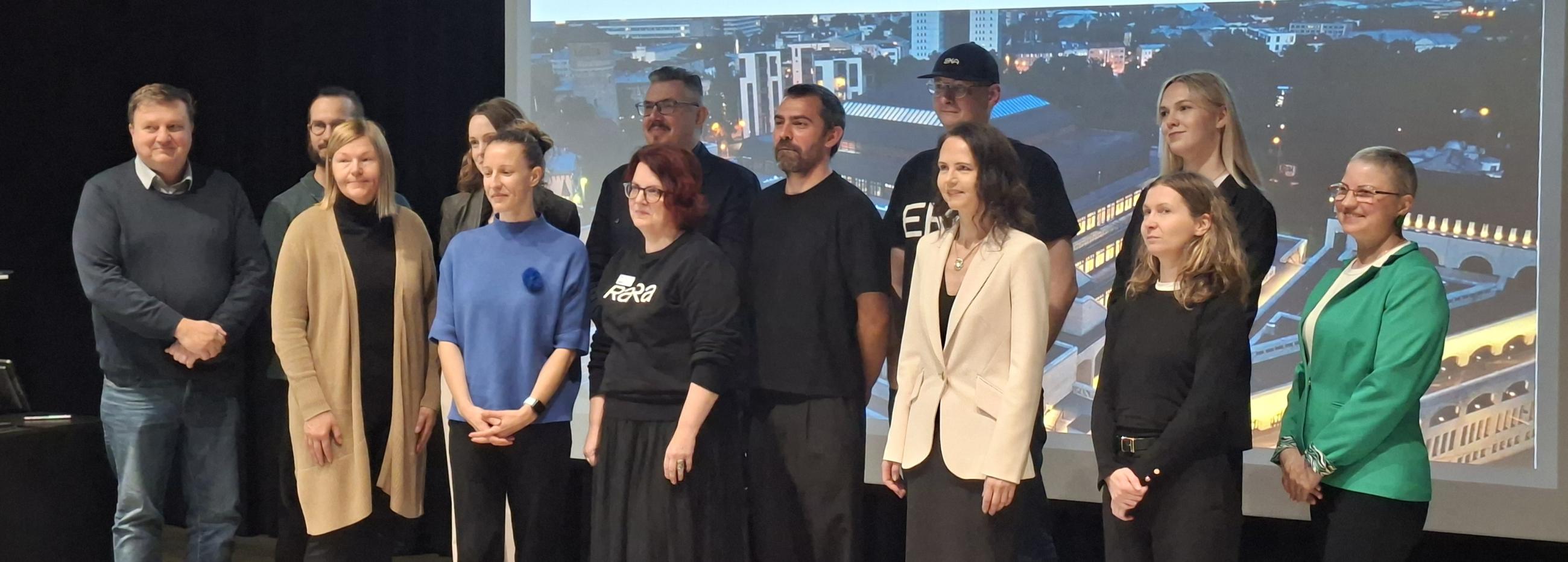
Thirty years ago, the Tiger Leap Foundation was established at the National Library of Estonia. The newly signed framework agreements now lay the groundwork for a new Tiger Leap. The cooperation agreement, signed by Martin Öövel, Director General of the National Library of Estonia; Tiia Õun, Director of the School of Educational Sciences and Head of Teacher Education at Tallinn University; and Kristi Klaas, Director of the Strategy Unit at the Government Office, will help bring together Tallinn University’s research and educational expertise with the collections of the National Library of Estonia (RaRa).
“For Tallinn University, this cooperation marks an important milestone in bringing knowledge transfer and educational innovation directly into urban spaces and communities,” said Tiia Õun. “The National Library of Estonia offers our researchers and students an excellent testing ground for experimenting with modern teaching methods, advancing inclusive education, and highlighting the value of digital cultural heritage.”
Partners Explore Opportunities for Cooperation
The signing was followed on 8 October by a meeting of the cooperation partners and experts from various fields to discuss the current state of the educational environment, upcoming activities, and opportunities for collaboration.
The meeting was opened by Riina Tamm, Head of the Education Centre at the National Library of Estonia. Margus Veimann, Service Designer at the National Library, provided an overview of the educational innovation ecosystem and introduced the partners’ presentations.
Veimann described the occasion as a historic moment. “RaRa’s educational innovation ecosystem provides a strong foundation for achieving national objectives. By working together with our partners in a shared environment, we can transform fragmented knowledge into synergy.”
Presentations were delivered by Tiina Kroll from the Tallinn Education Department, Liis Siiroja from EdTech Estonia, Marie Nõgisto from Educraftor, Sigrid Kägi from Vivita Solutions Laboratory, Ege Kirik from TalTech Technology School, Katrin Isotamm from Eesti.AI, Camille Laurelli from the Estonian Academy of Arts, Helene Vellevoog from the Estonian Game Developers Association, Agnes Neier from the University of Tartu, and Tiia Õun from Tallinn University.
We Are Doing Something Truly Unique in the World!
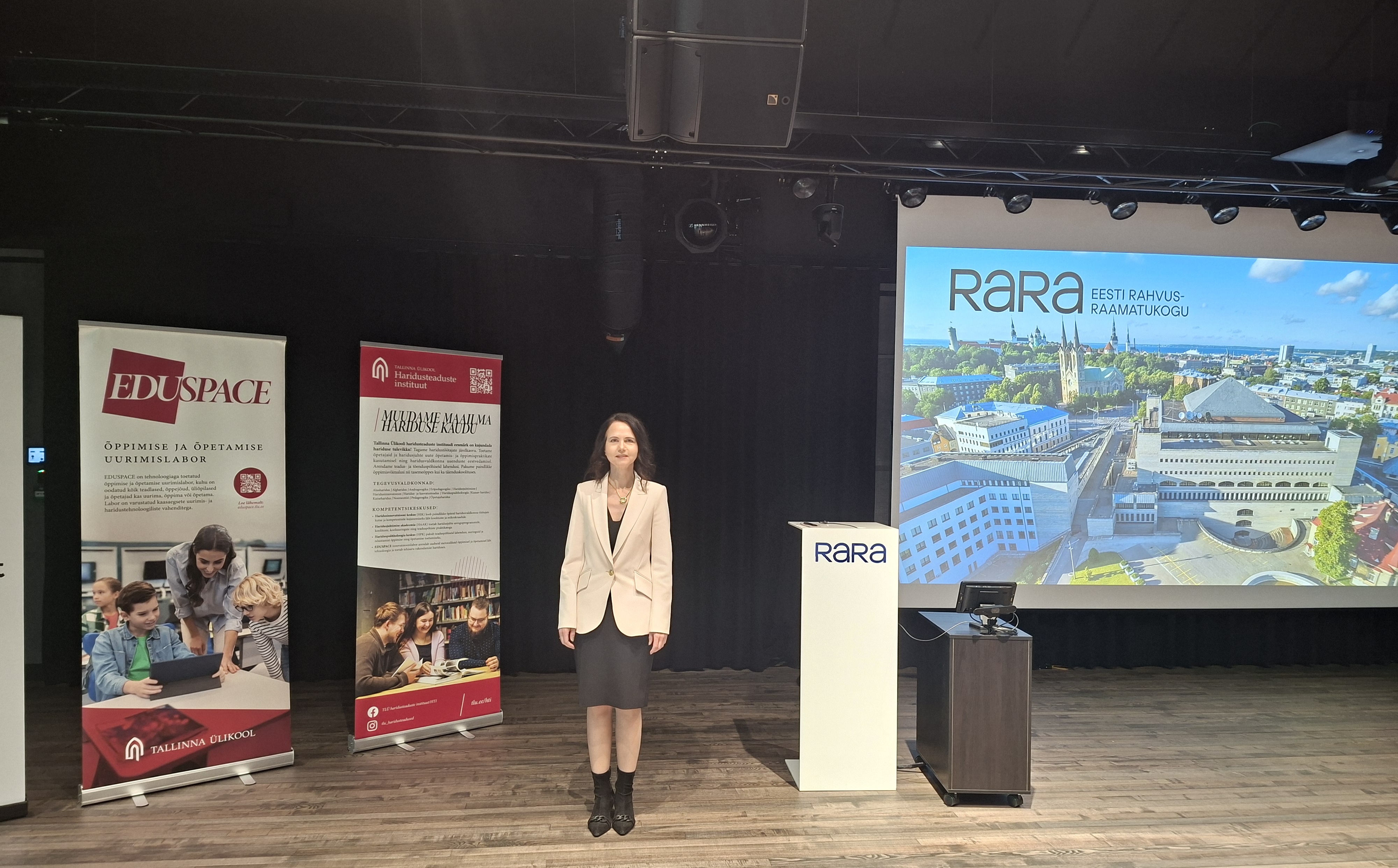
“Our mission as a university is to change the world through education,” Õun emphasised. “We can ensure that all our activities are grounded in research and evidence-based approaches – whether in teaching, supporting the professional development of educators, advancing educational innovation and technology, or conducting research and generating new knowledge.”
Cooperation with RaRa has already gained momentum in several areas. The partners have jointly planned the development of programmes for Tallinn University’s EduSpace technology laboratory. An experimental and development environment for educational innovation is also being established to support international cooperation.
“The potential is enormous. We want to make the best possible use of our centres of expertise, artificial intelligence, and the initiatives associated with Estonia’s AI Leap to support learning and development.”
In response to the latest PISA results, which revealed a significant decline in children’s functional reading literacy, Tallinn University and RaRa launched a study of reading among children and young people. The study explores how reading habits develop and what motivates children to read.
A doctoral student at Tallinn University has also recently begun working on a dissertation examining memory institutions as educational partners and their role in the learning ecosystem.
“What makes Estonian education so exceptional – our achievements in digitalisation and PISA – is that people from around the world are interested in our educational success story every single day,” Õun noted.
“They ask us: ‘Can we come and visit? We want to know what you are doing to achieve these results.’ We are doing something truly unique in the world. Let’s keep doing it together!”