
From Personal Roots to Academic Discovery: Studying Eastern Europe at Tallinn University
What does it mean to belong to Eastern Europe? For Anna Yaroshchak, a Tallinn University student from Ukraine, this question is both personal and academic. With Ukrainian, Polish and Russian roots, Anna chose the East European Studies major to better understand the region she comes from—and to explore the many histories, cultures and societies that shape it.

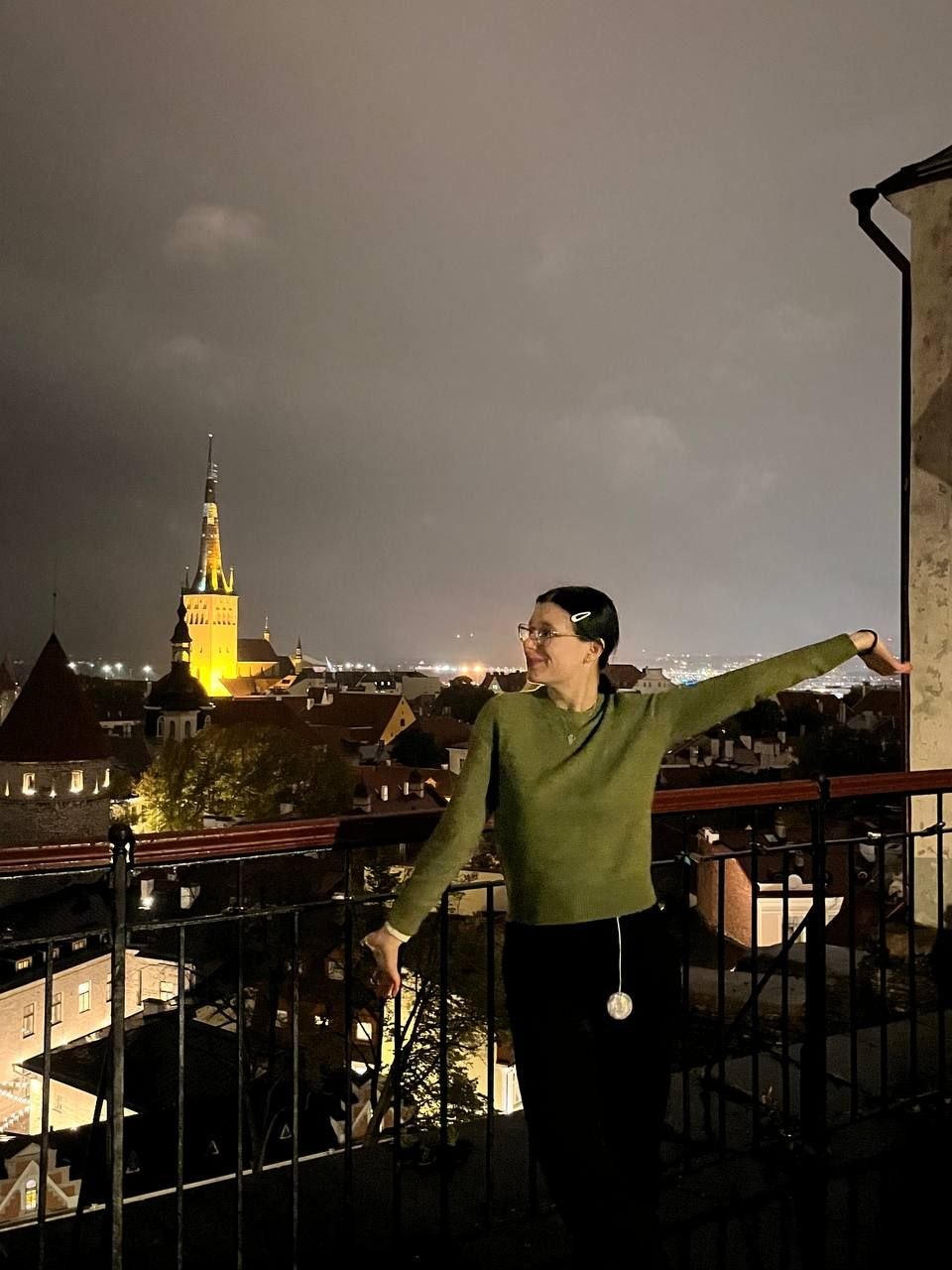
After graduating from Tallinn University’s Liberal Arts in Humanities bachelor’s programme in 2025, Anna took a gap year to consider her next academic step. She soon found herself drawn to a new opportunity at the university: the East European Studies major.
Discovering East European Studies
“Coming from a multicultural family with Ukrainian, Polish and Russian heritage, I wanted to learn more about the space we all know as Eastern Europe,” Anna explains. “It is where I am from, and it is part of who I am, but many people know very little about what actually makes Eastern Europe.”
Anna first heard about the programme through Tallinn University’s social media channels. After seeing an announcement about the new major on Instagram, she explored the programme website and registered for a webinar to learn more.
“The courses immediately caught my attention,” she says. “I saw the major as an opportunity to gain a more coherent understanding of where I am coming from.”
Her previous studies in Liberal Arts in Humanities had already shown her the importance of cultural knowledge in understanding a region. However, she also realised that a more focused approach was needed to explore Eastern Europe in greater depth.
“Eastern Europe consists of many countries and cultures that I knew very little about. I felt that I needed to change that. The East European Studies major offered exactly the kind of focused approach I was looking for.”
Exploring the Region from Different Perspectives
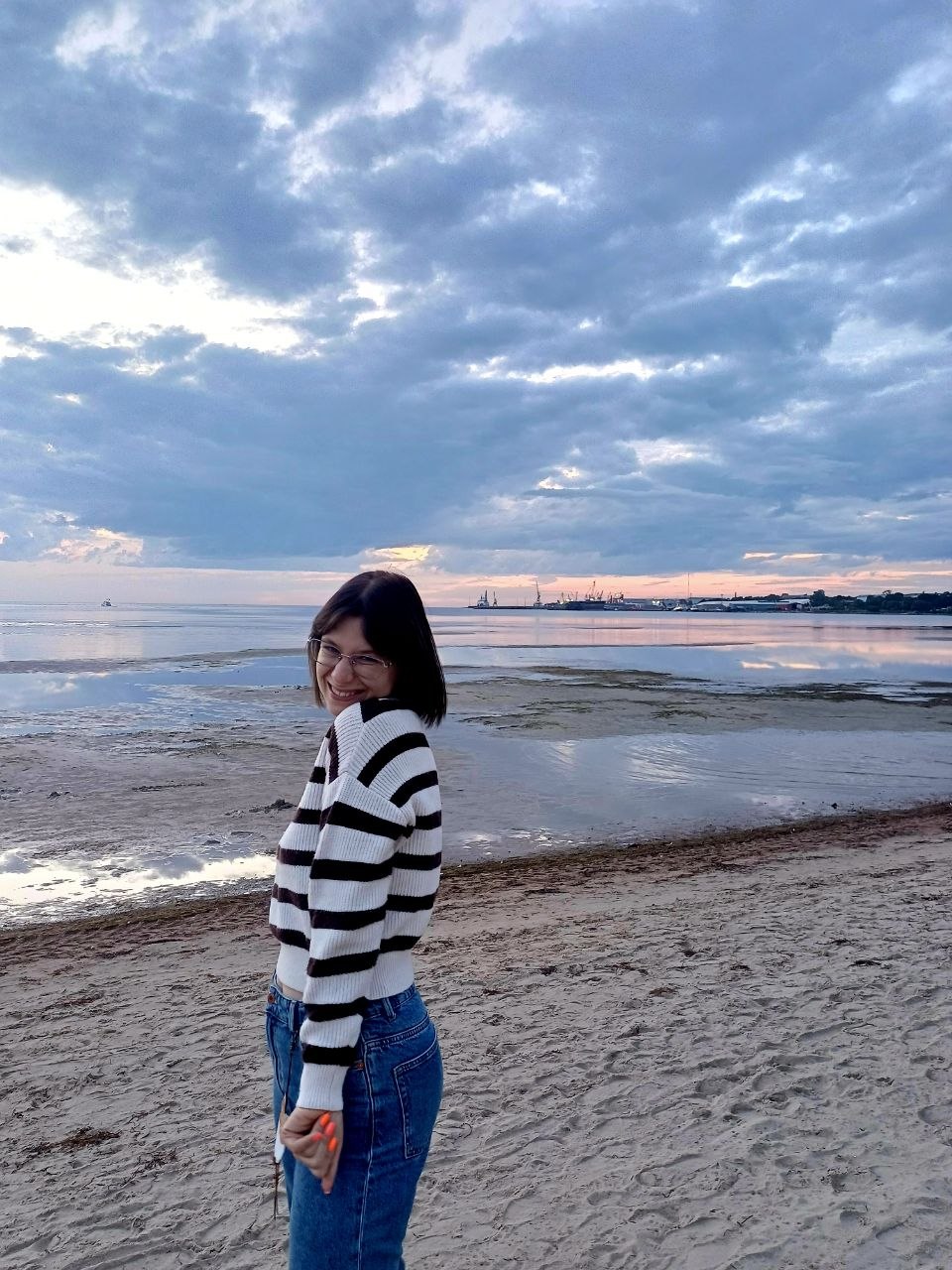
One of the aspects Anna appreciates most about the programme is its interdisciplinary nature. The courses allow students to examine Eastern Europe from a variety of perspectives, including politics, society, languages, cultures and history.
“I absolutely love the variety of courses,” she says. “You can study the region from many different angles. In addition to the core courses, students can choose university-wide electives, which makes it possible to broaden their perspective even further.”
Anna also highlights the LIFE project, which encourages students to step outside their academic comfort zone and apply their knowledge in a practical and creative way. “Taking part in the LIFE project challenges you to learn and create something beyond your usual field of study. I think that is a very valuable part of the university experience.”
Coming Back to a Familiar University
As a returning student, Anna already knew Tallinn University well. Coming back to the campus felt natural.
“It was like coming home—familiar faces, corridors and lecture halls,” she says.
At the same time, the new programme quickly created a strong sense of community. Anna and her course mates bonded quickly, forming what she describes as an academic circle. They have lunch together, work on assignments and organise multicultural activities outside the university.
“I like how the programme brings people together. Almost all of our courses have included group work, which means that you constantly communicate with others. It is amazing. You can attend the same classes with people for years and never really talk to them, but that is not the case here.”
Finding a Balance Between Studies and Life
For Anna, friendships develop naturally through group projects, seminars and student events. She also appreciates the structure of the programme, with classes scheduled on only two days a week. This leaves students with time for independent study, work and social life.
“Because I was returning to university, I did not experience much stress adjusting to university life. The schedule gives me enough flexibility to balance my studies with other parts of my life.”
Discovering Tallinn
That balance also gives Anna plenty of time to enjoy Tallinn. She describes the city as a place full of colour and contrasts—from the peaceful paths of Kadriorg Park and cosy cafés to lively evenings in the Old Town.
“I love Tallinn with all my heart. You can have a quiet moment in Kadriorg Park, enjoy a morning coffee in one of the city’s many cafés or spend a bright night out with friends in the Old Town.”
She also appreciates the social activities organised by the Erasmus Student Network, or ESN, which help students connect and build friendships across cultures.
“My favourite place might simply be Tallinn itself. I have lived here for a while, but almost every weekend I discover something new.”
A Journey That Changes Your Perspective
For anyone considering applying to Tallinn University or studying East European Studies, Anna has an enthusiastic message:
“If you want to go behind the curtain of Eastern Europe, East European Studies is the right choice for you. If you already have connections to the region, you will be surprised by how much there is still to learn, analyse and research. And if you have never encountered Eastern Europe before, it will be the journey of a lifetime. One way or another, studying East European Studies at Tallinn University will change your mindset and broaden your worldview.”
Learn more about the programme HERE
Admission is open from 1 Nov 2026 to 1 March 2027. Start your application in DreamApply.