Research: the great potential for learning in museums is often missed by schools
Every year, thousands of students take part in national curriculum-related educational programmes in museums. Used properly, museum education has the potential to fill gaps in the Estonian education system. Research shows what determines the learning outcome of a trip to a museum.
The multifaceted and beneficial effects of education in a museum on the development of knowledge and learning skills have been well documented in previous studies. It is also well established that museum education is linked to career awareness, motivation to learn and continuing education for teachers. However, no previous study has examined what factors support or hinder museum learning for students in Estonia’s general education schools, as unequal outcomes have been observed in practice.
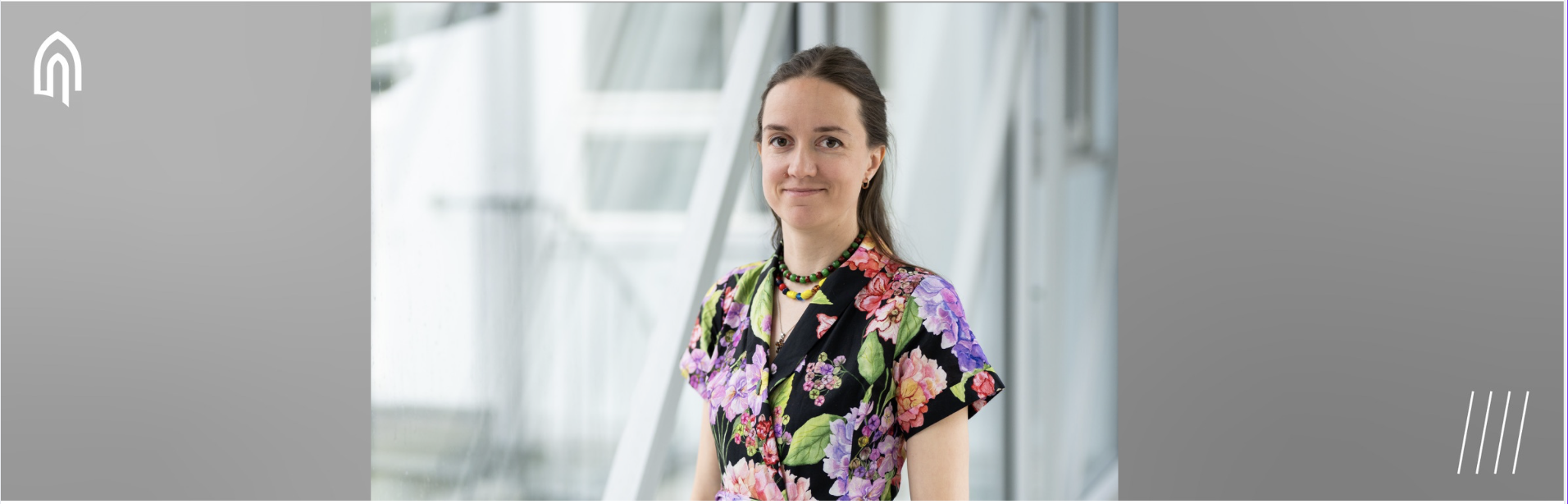
Helene Uppin, a recent PhD graduate in educational sciences from Tallinn University, observed students and teachers learning in museums, had frequent and enthusiastic interviews with classroom teachers who go on field trips often, and educators at museums and environmental education centres known for their outstanding educational work.
The research provided a number of significant insights
An interesting finding was that school culture and the teachers’ pedagogical beliefs have a significant impact on the outcome of learning at a museum. This is true even when students are guided by a museum educator.
Teachers who go on field trips frequently and enthusiastically stood out positively. Such teachers value practical learning and good relationships with students, skilfully overcome organisational and pedagogical problems that arise, and are eager to collaborate with external partners.
On the other hand, it was found that students are often not prepared for learning at the museum. For example, neither the students nor their teacher may know what lesson is booked for the class at the museum. The lack of awareness of the educational potential of field trips and their weak link with the rest of the curriculum was particularly high at the upper school level, where classes have transitioned from a system of homeroom teachers to one with many teachers of various subjects. More effective implementation of field trips is also likely to be hampered by the growing proportion of novice and untrained teachers, as meaningful collaboration with museum educators takes time to develop.
Museum education fills gaps in the education system
The results of the study clearly highlight the need to involve educators from museums, environmental education centres and other similar cultural and scientific institutions more when developing the content of curricula in general education schools.
By systematically and thoughtfully planning museum lessons into their curricula, general education schools could fill a number of subject-specific gaps. The museum lessons are conducted by experienced educators, often with a degree in education and/or experience working in schools. Museum educators thus provide schools facing teacher shortages with both subject-specific and methodological support. However, it is contradictory that museum educators are not paid a teacher's salary even if they hold a teaching qualification.
A science-based foundation for change
Helene Uppin's research has very broad practical value. Her work expands our understanding of museum education by examining field trips as a borderline phenomenon at the intersection of school and museum work.
The research findings provide starting points for designing the funding of field trips, examining the quality of educational programmes, developing the training of teachers and programme guides, fostering cooperation between education and culture, and supporting meaningful learning in general education.
Helene Uppin is the Curator of Education at the Estonian Maritime Museum and also a Visiting Lecturer of Natural Sciences for class teachers at Tallinn University.
The thesis defence
Helene Uppin defended her doctoral thesis at Tallinn University’s School of Educational Sciences on 25 May 2026. Her doctoral thesis is entitled Learning in Museums in the Context of General Education.
The thesis supervisor is Inge Timoštšuk, Professor of Primary Education at Tallinn University.
The opponents are Mari Karm, Associate Professor of Higher Education Teaching at the University of Tartu, and Terje Väljataga, Associate Professor in New Learning Environments at Tallinn University.
The doctoral thesis is available in the ETERA environment of the Tallinn University Academic Library.