Doctoral thesis: Seeking health information does not automatically improve health behaviour
People are increasingly seeking health information online in Estonia, but the information found is not leading to better health decisions. The concern is not a lack of information but people’s digital literacy and ability to make sense of it.

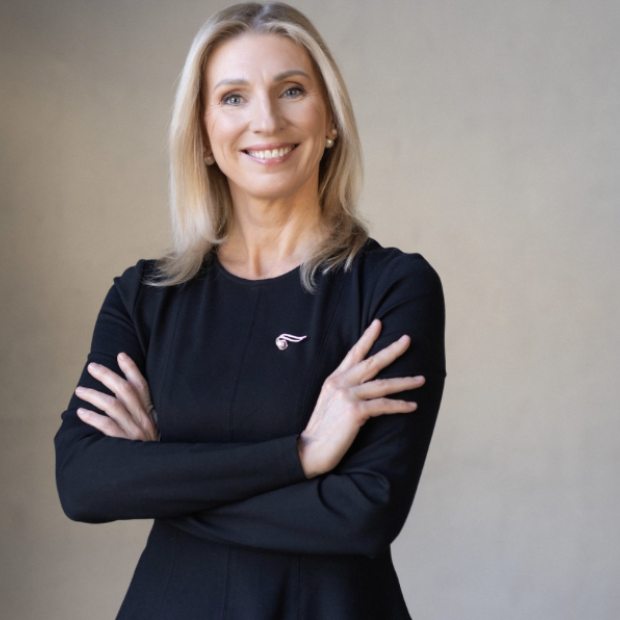
Marianne Paimre, who defended her doctoral degree at Tallinn University’s School of Digital Technologies, studied how people aged 50 and over seek health information in Estonia. She was also interested in which sources they trust and what factors influence the use of the information they receive. The results of the survey and interviews show that health information-seeking is closely linked to people’s education, digital skills, and internet usage habits. Those with more resources and experience are better able to find information, as well as to assess and apply it in their health decisions.
“It is often assumed that the internet gives everyone equal access to health information, but this is not the case,” says Marianne Paimre. “Access to information does not mean understanding it. The biggest challenge is not the availability of information but the ability to assess and use it.”
The survey found that doctors continue to be the most important and reliable source of health information. The internet is more likely to be used as a complementary tool, for example, before consulting a doctor. At the same time, a large number of respondents admitted that they have difficulty assessing the reliability of information found online. This creates a situation where people are seeking information but may not always be able to tell the difference between science-based advice and advertising or misleading content. Thus, digital technology and good access to information do not necessarily reduce health inequalities but can exacerbate them if people are not able to critically assess information.
One of the key findings of the study is that seeking health information online does not automatically improve people’s health behaviour. Daily eating or exercise habits are often not changed by what is read online. The impact is only apparent in certain situations, for example, health information found on the internet influenced decisions regarding COVID-19 vaccination. At that time, people had to make decisions quickly and in an uncertain situation.
“Estonia is a digital state, but digital literacy is not uniform,” Paimre stresses. “If we want people to make more informed health decisions, it is not enough just to create new digital solutions. We need to support people’s digital skills and ability to make sense of information.”
The results show that access to health information is not the main problem in Estonia; the more important concern is how people interpret the information and what decisions they make based on it. This is important information for better designing health communication, prevention and digital services that take into account the needs of various groups.
Thesis defence
Marianne Paimre defended her doctoral thesis at Tallinn University’s School of Digital Technologies on 10 June 2026. Her doctoral thesis is entitled Patterns of Online Health Information-Seeking Behaviour and Related Factors Among Estonian Older Adults.
The thesis supervisor is Sirje Virkus, Distinguished Professor of Information Science at Tallinn University.
The opponents are Ágústa Pálsdóttir, Professor Emerita at the University of Iceland, and Nafiz Zaman Shuva, Assistant Professor at Queens College.
The doctoral thesis can be read in the ETERA digital environment of the Tallinn University Academic Library.