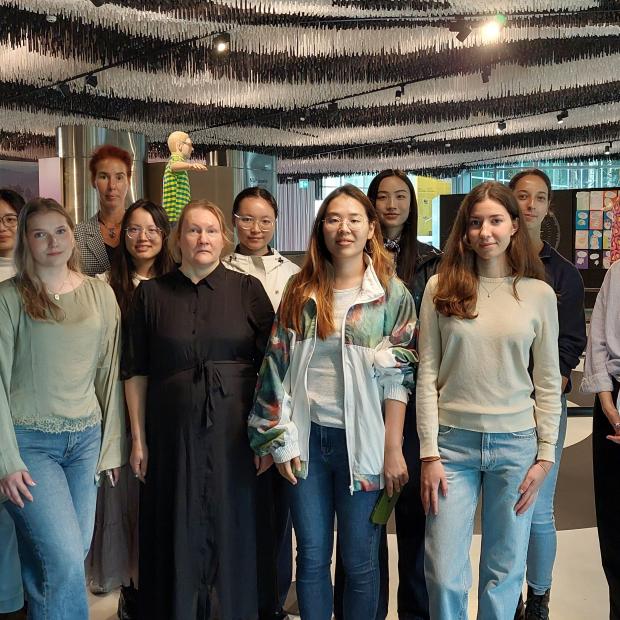
TraFaDy closing conference brings transnational family research to Tallinn
On 5 September, Tallinn University Baltic Film, Media and Arts School hosted the closing conference of the COST Action CA21143 – Transnational Family Dynamics in Europe (TraFaDy), bringing researchers from across Europe together to reflect on four years of collaborative research into how families live, connect and maintain relationships across borders.
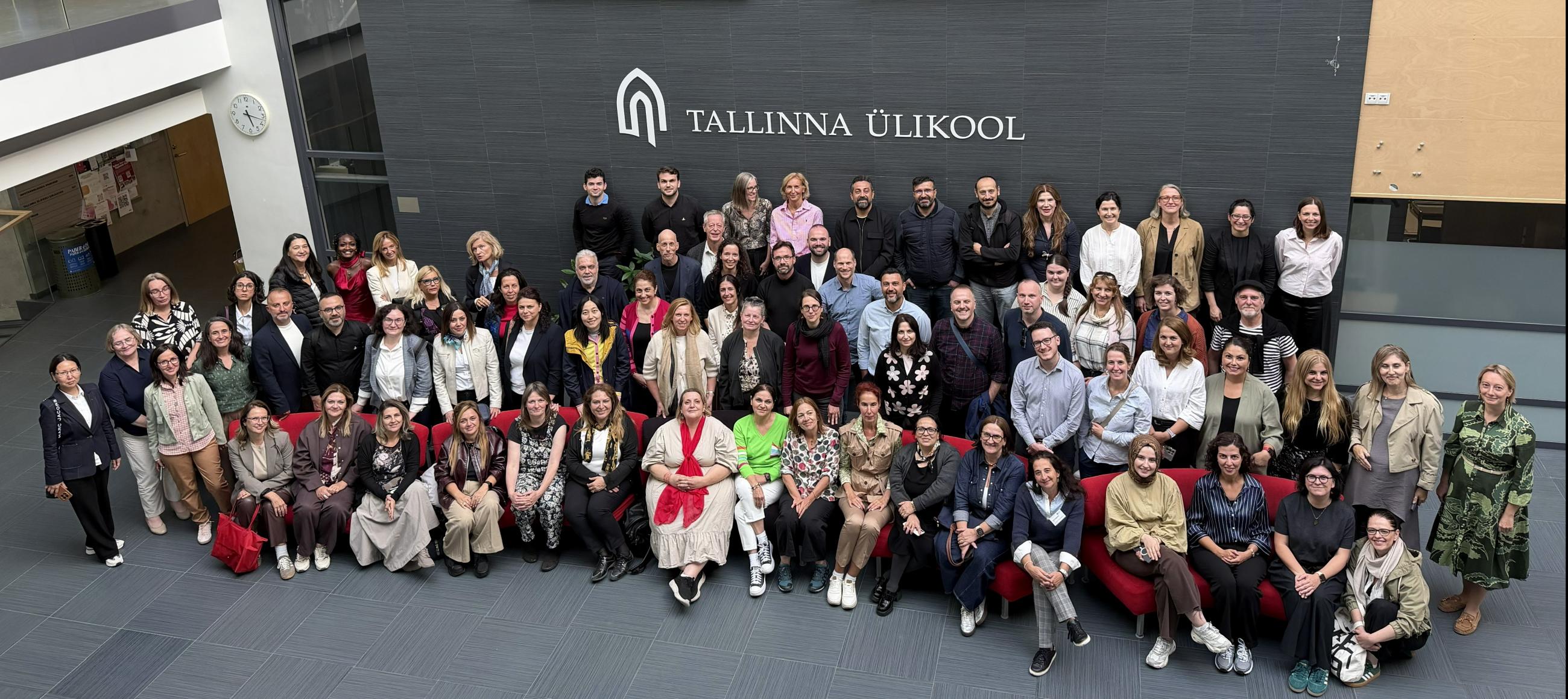
For me, this conference was particularly meaningful. From 2022 to 2026, I have served as the principal investigator of TraFaDy in Estonia and as a member of the Action’s Management Committee representing Estonia. Hosting the closing conference at Tallinn University Baltic Film, Media and Arts School therefore felt like an important moment in a four-year journey of research, collaboration and friendship. The conference brought together researchers working on different dimensions of transnational family life, including digital connectivity, vulnerability and conflict, research methodology and ethics, social protection, care, education and wellbeing, as well as the policies that shape family life across borders.
The conference opened with Dr Mieke Schrooten, Chair of the TraFaDy Action, who welcomed participants and set the tone for the day. Her leadership has been an important part of the Action’s work over the past four years, bringing together researchers interested in the complex realities of transnational family life across Europe. Opening the conference in Tallinn, she also marked the beginning of the final stage of a collective journey that has connected researchers across countries, disciplines and perspectives, while keeping the experiences of transnational families at the centre of our discussions.
Looking beyond borders and distance
I opened the conference’s scientific programme with my keynote, “Beyond Borders, Beyond Distance: What Digital Familyhood Teaches Us About the Future of Transnational Family Research.” Digital technologies have fundamentally changed the ways in which family members separated by geographical distance can communicate, share everyday experiences and maintain emotional and social connections. Yet digital connectivity does not simply make borders disappear. This was one of the questions at the heart of my keynote: what can digital familyhood teach us about transnational family life, and what does it mean for the way we study families whose lives extend across countries and borders?
The answer requires us to look beyond technology itself and consider the social, cultural, emotional and political realities in which digital communication takes place.
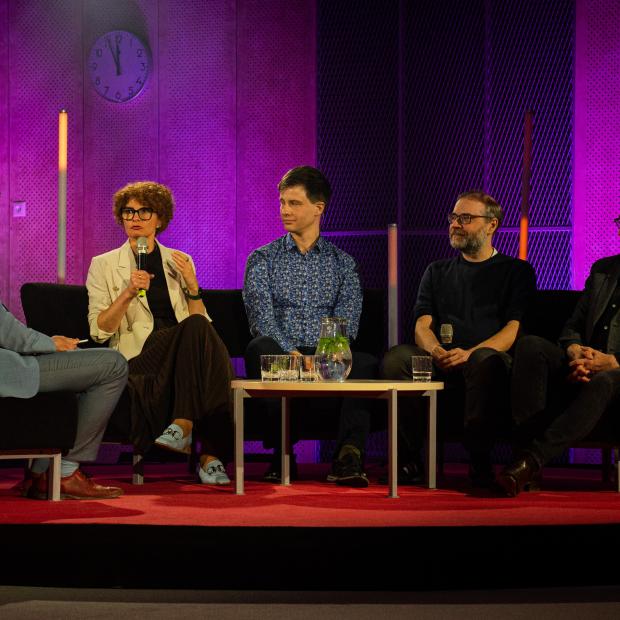
This perspective continued in the TraFaDy insights session “Transnational family dynamics in times of connectivity, vulnerability and conflict,” which I chaired. Together with Dr Sviatlana Karpava (University of Cyprus), I also presented our work on “Digital Transnationalism in Family Life: Maintaining Social, Cultural, and Emotional Bonds Across Borders.”
The session brought together perspectives on digital transnationalism, the influence of ICTs on transnational families, vulnerability and violent conflict. Other conference sessions expanded the discussion to questions of research methodology and ethics, social protection, education, care and the policy environment surrounding transnational family life.
Four years of collaboration
The closing conference was not only about presenting research results. It was also an opportunity to look back at what can be achieved when researchers from different countries, disciplines and professional backgrounds work together over several years.
The closing session, chaired by TraFaDy Vice Chair Sven Iversen, focused on key takeaways from the Action's working groups and on the people, moments and collaboration that shaped the TraFaDy journey.
For me, one of the most rewarding aspects of the day was seeing colleagues and students together.
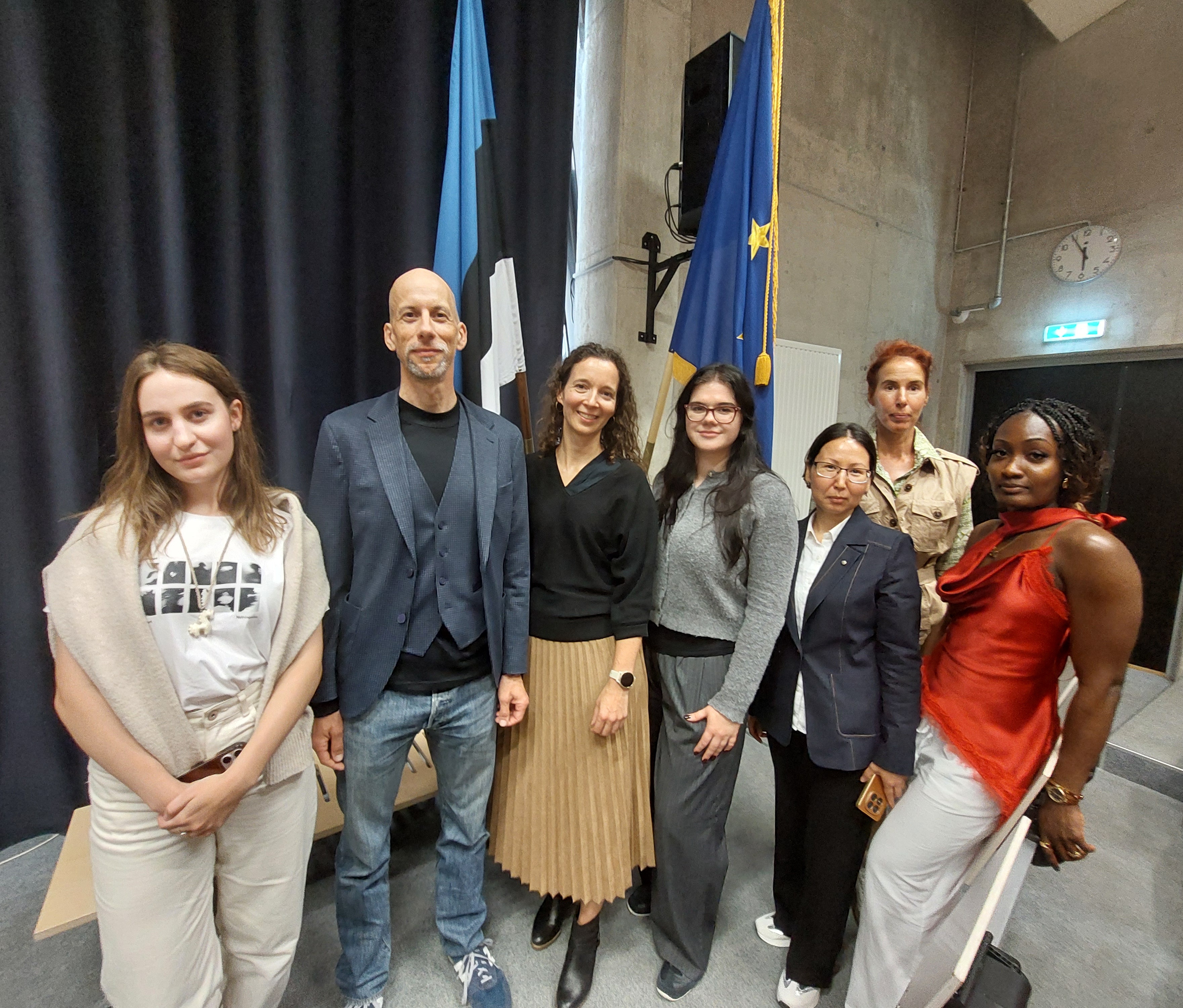
I was especially happy to have my Communication Management students Olha Romanenko, Rita Razvarova and Jennifer Richards Udoetteh with us, as well as my visiting PhD student from Al-Farabi Kazakh National University, Laila Karakulova. Their presence was a reminder that international research is also about creating opportunities for the next generation of students and researchers to become part of academic communities that cross national borders.
And, naturally, there were also the small, funny moments that never appear in a conference programme – from making sure everyone appeared in the group photograph to discovering at the end of the day that our Vice Chair had forgotten to sign the participant list. These moments are part of what makes an academic community a community.
A meaningful closing in Tallinn
At 18:05, we finally brought the day to a close at Tallinn University.
Looking back at the photographs from the conference, I see much more than a successful academic event. I see colleagues with whom I have shared four years of discussions, research meetings, publications, ideas, challenges and discoveries. I see new collaborations and friendships. Moreover, I see students and early-career researchers becoming part of an international academic network.
I am grateful to our office assistant, Raili Reinsoo, for finding such a welcoming setting for the conference, and to all our TLU colleagues who helped make the event possible. The European Hall proved to be a wonderful venue for bringing the TraFaDy community together.
The TraFaDy Action may have reached its formal conclusion, but the questions it has raised - about family, mobility, belonging, borders, digital connection and vulnerability - remain highly relevant.
For me, the most important lesson is perhaps simple: families may live across borders, but relationships do not stop at the border. Understanding those relationships requires us to look beyond geographical distance – and beyond the boundaries of our own disciplines.
This is where the next chapter of transnational family research begins.
For additional information, please contact Dr Anastassia Zabrodskaja, Professor of Intercultural Communication, Head of the MA Programme in Communication Management, and Executive Director of the European Masters in Intercultural Communication, at anastassia.zabrodskaja@tlu.ee.