From Fashion Designer to Social Entrepreneur: Building Unsume
After graduating in fashion design, I realized that the traditional fashion industry contributes heavily to textile waste, and I wanted to take a different path. In this blog, I share how this idea grew into my social venture and what I’ve learned about startups, social entrepreneurship, and sustainability.
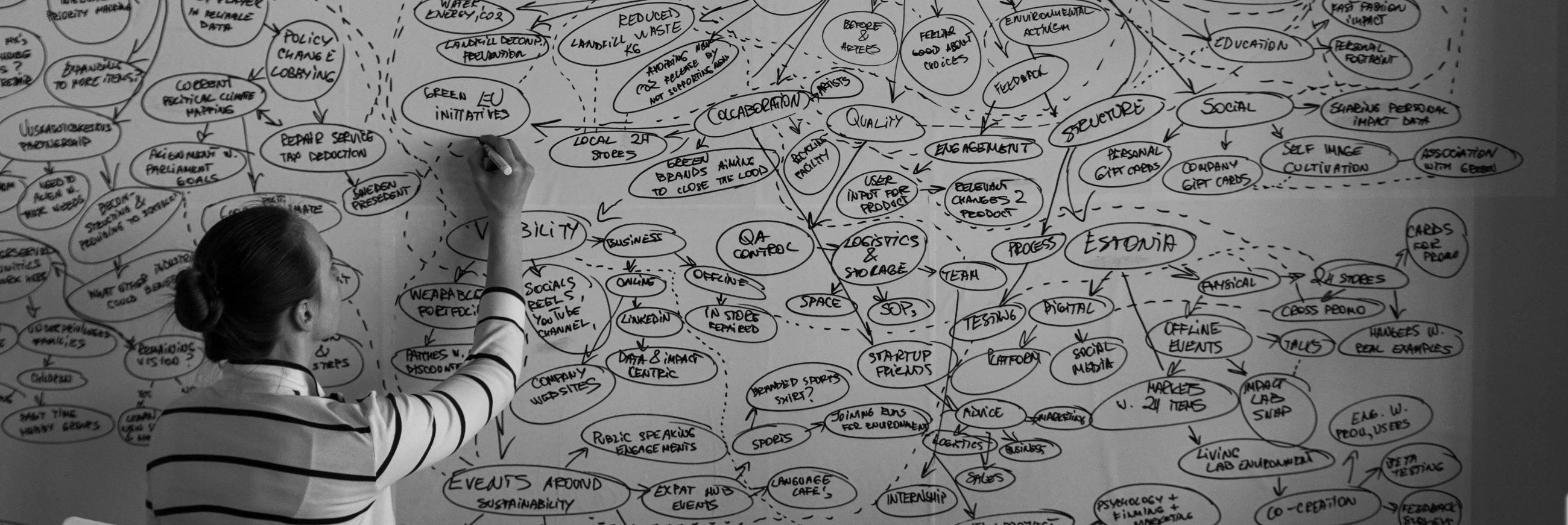
Having graduated as a fashion designer during the pandemic, I was forced to confront a difficult realisation: I didn’t see myself building a career in an industry that significantly contributes to the environmental crisis through textile waste. I felt I had a choice to make. Either I remain in a creative field that had become increasingly exclusive and continue contributing to the problem, or go the opposite direction and try to build a solution. I knew that I wanted to create a business that addresses textile waste, but at the time I wasn’t sure how. To get practical leadership experience and better understand how scalable systems are built, I joined Bolt. I saw it as a strategic step to learn how tech-driven organisations operate and how teams grow around ambitious ideas. Two years in, the initial concept had developed and Unsume was born: a platform connecting people with broken clothing to repair professionals, making the process more accessible and tech-driven.
But with just the idea in my head I lacked the business knowledge and structured guidance needed to build something mission-driven and financially sustainable. I started researching programmes that could support both the development of the startup and my growth as a founder. Reviewed over 300 programmes worldwide and initially dismissed TLU because I was set on studying abroad rather than in my hometown. Eventually I recognised that the Social Entrepreneurship MA was the strongest fit. SEMA programme uniquely merged practical business development with a critical and conceptual foundation of social impact. It helped me understand not only how to build a business, but what social entrepreneurship truly is and isn't. Each course required us to apply theory directly to our own ventures, which meant that Unsume evolved alongside my studies.
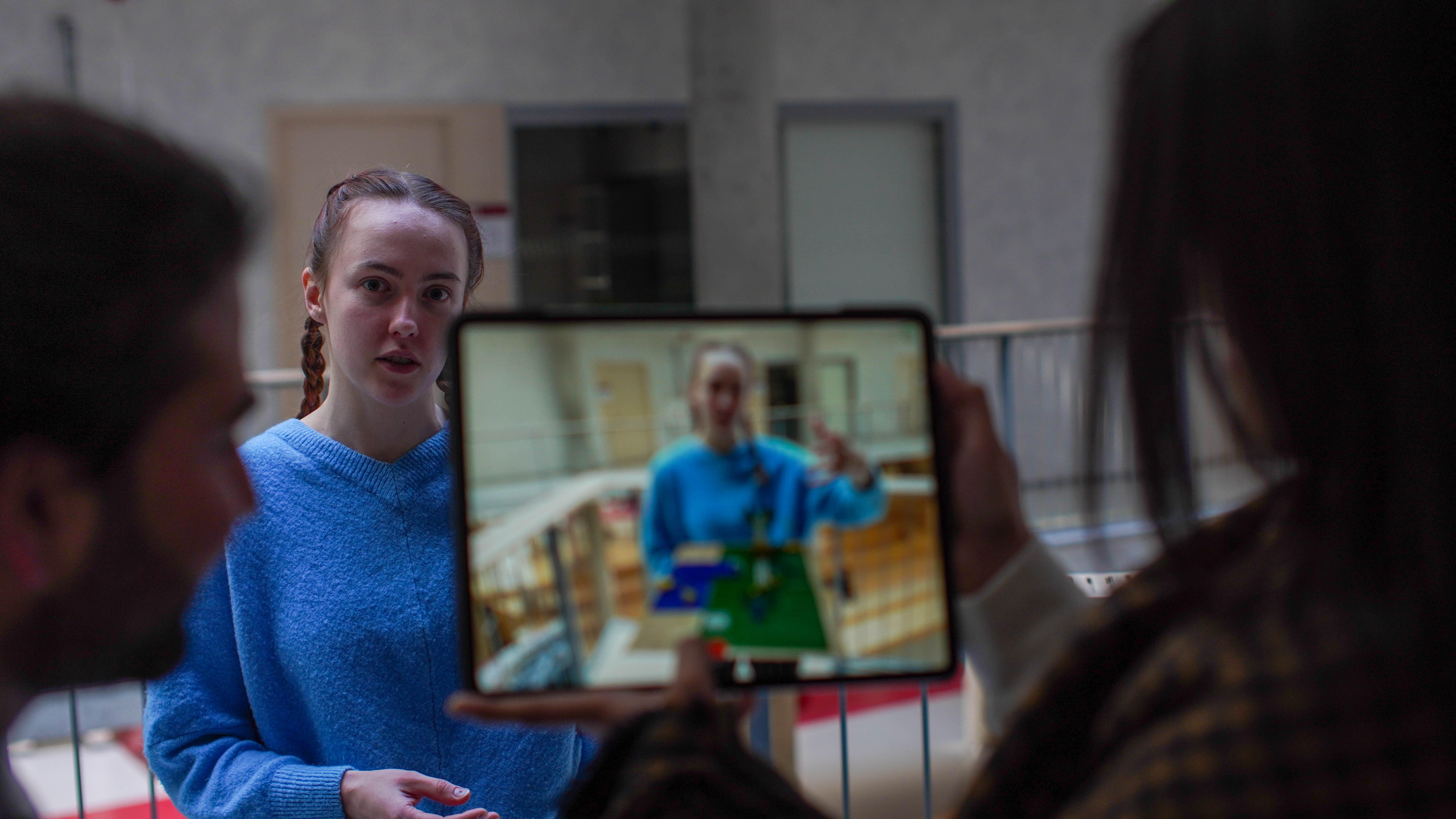
SEMA programme uniquely merged practical business development with a critical and conceptual foundation of social impact.
Through courses like Open Innovation Systems, we mapped Unsume’s position within a broader ecosystem. In Ethics of Business Management, we critically examined our responsibilities and defined our social impact more clearly. The programme constantly pushed me to question assumptions, refine the social impact, and articulate the deeper purpose behind the venture.
During my internship abroad, Unsume joined a startup accelerator. This was where we finally accepted the reality of our initial business model not being financially sustainable at scale. The margins at our operating level were not covering long-term costs if we wanted to maintain quality. After testing the service with real users and processing actual orders, we made the difficult decision to pause operations and pivot. The challenges we faced were not one-offs, they were systemic: consumer behaviour patterns, legislative limitations, and an underdeveloped local textile ecosystem all played a role. Rather than discouraging me, these insights deepened my understanding of the complexity behind textile waste and directly informed my MA thesis research.
_2.jpg)
As my thesis progresses, I am refining Unsume’s new direction. The model may evolve, but one thing remains constant: reducing textile waste has been my focus for the past seven years, and it will continue to guide every decision I make!
More information about Social Entrepreneurship MA programme here