Finding My Way Back to School - Through Social Entrepreneurship
When I finished my bachelor’s degree in 2017 and my first master’s degree in 2019, I was certain that I was done with school. After earning my Bachelor’s degree in Anthropology and Geography, followed by a Master’s in Urban Planning in Toronto, I spent several years working as an urban planner in Canada. Returning to university was not part of my plan. And yet, life has a way of bringing you full circle.
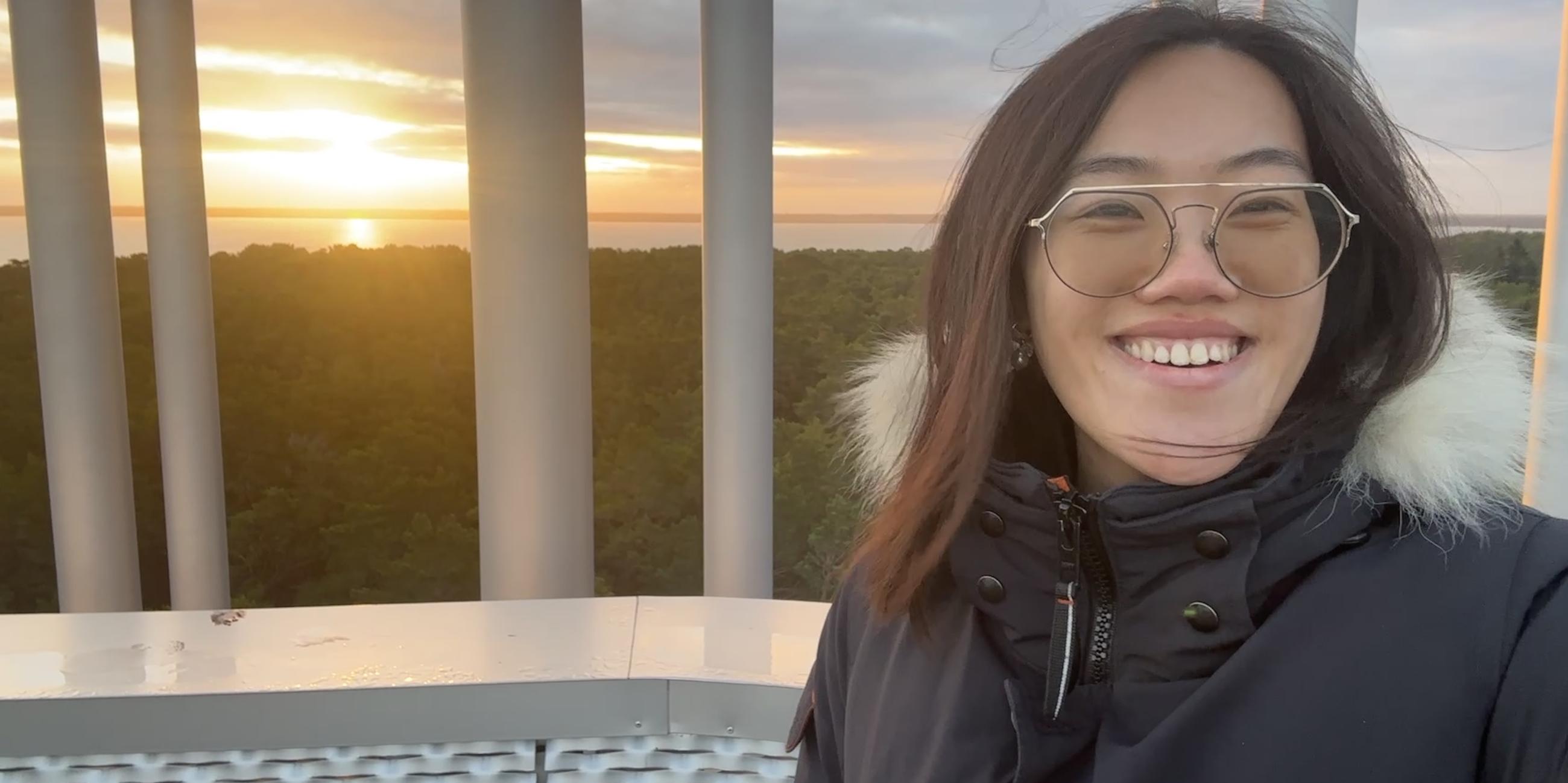
On my first visit to Tallinn in 2022, I found myself searching online for non-touristic activities and stumbled across the Banned Books Museum. I never made it there during that trip, and I didn’t think much of it afterward. It wasn’t until I began researching master’s programmes in Estonia that I encountered the name again - this time learning that the museum’s founder was an alumnus of Tallinn University’s Social Entrepreneurship MA (SEMA) programme, the very programme I would end up applying for.
From “Social” to Social Entrepreneurship
My path to Social Entrepreneurship was not a straight line.
With my academic and professional background, I had long been interested in community development, sustainability, and social impact. I like to say that I felt confident in the “social” dimension - the “entrepreneurship” side, not so much. I had never even considered starting a business before joining the programme.
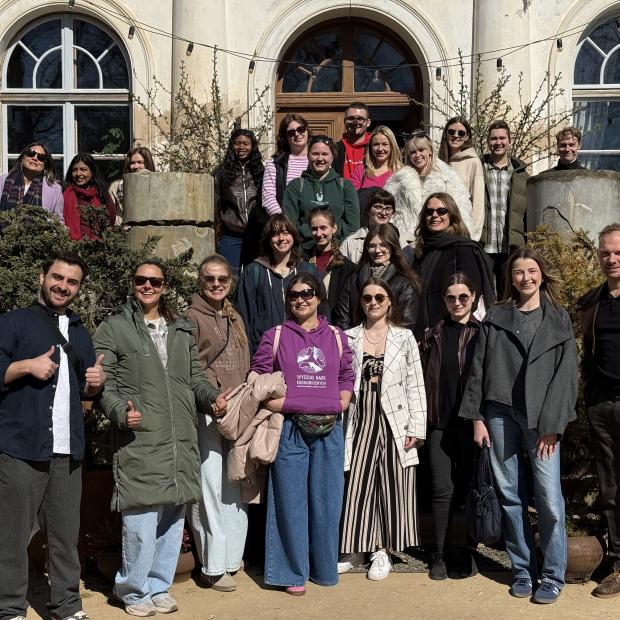
When I arrived at SEMA, I quickly realised I wasn’t alone. My cohort included people from diverse academic backgrounds, from fashion to engineering. What I love about the SEMA programme is that it meets you exactly where you're at – whether you already have a business that you want to take to the next level or just have an idea and don't know how to start.The programme allows you to develop at your own pace.
The connections I’ve made here have also led me to co-found Hongkongi Maja, an NGO dedicated to the integration and connection of Hongkongers in Estonia, along with two other students from Tallinn University.
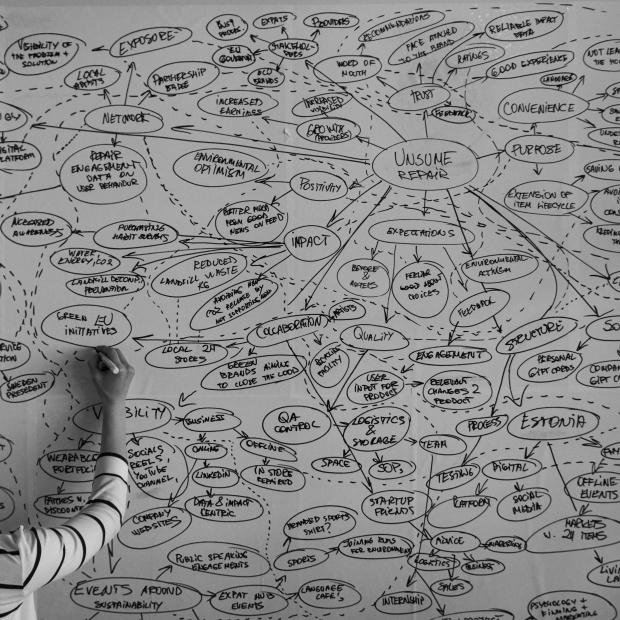
The structure is particularly adapted to this purpose: courses are delivered in intensive 1–2 week modules, taken one at a time rather than juggling multiple subjects across a semester. This format is such that you are able to continuously build on your project alongside the coursework. Over time, your idea evolves and expands - or you may pivot and change it altogether!
In many ways, SEMA functions as an incubator. Professors combine strong theoretical foundations with practical application, and guest lecturers are often founders of social enterprises themselves. You’re not writing papers; you’re testing, pitching, refining, and building something that can become real. I’ve always felt that the instructors care deeply about our development — not just your grades.
Learning in a Small, Connected Ecosystem
Estonia is small but mighty. Tallinn is small, and the social enterprise ecosystem is even smaller, allowing you to easily make connections. Having graduated from a university where first-year lectures can easily hold up to 1,700 students, the small, intimate size of SEMA was truly refreshing. I went from feeling like a number to a person. You are able to build relationships not only with the instructors but your colleagues, allowing you to support and find connections for one another.
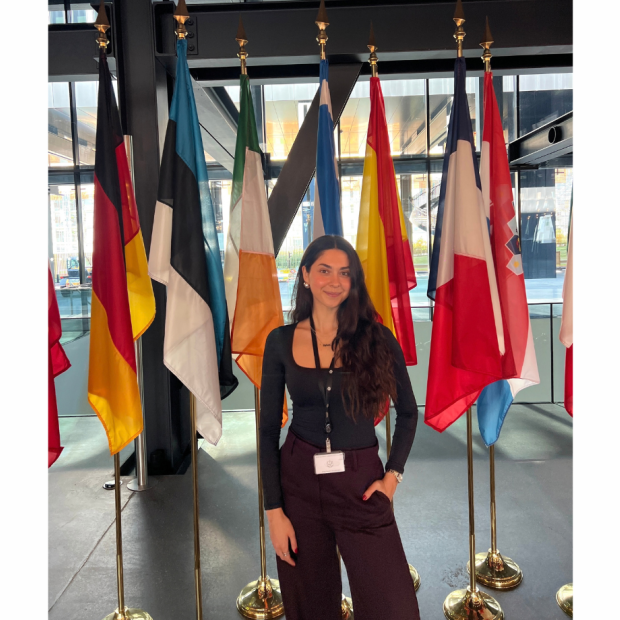
As a result, I have had opportunities within the first few months of joining SEMA that I never would have been exposed to otherwise. SEMA actively opens doors for its students, from conferences to volunteer initiatives and networking events. The highlight of my first year was having the opportunity to pitch my social enterprise idea to real investors and receive feedback on my idea at an event hosted by the Estonian Embassy’s Business Hub in Singapore. Experiences like that accelerate both confidence and clarity.
Growing Beyond the Classroom
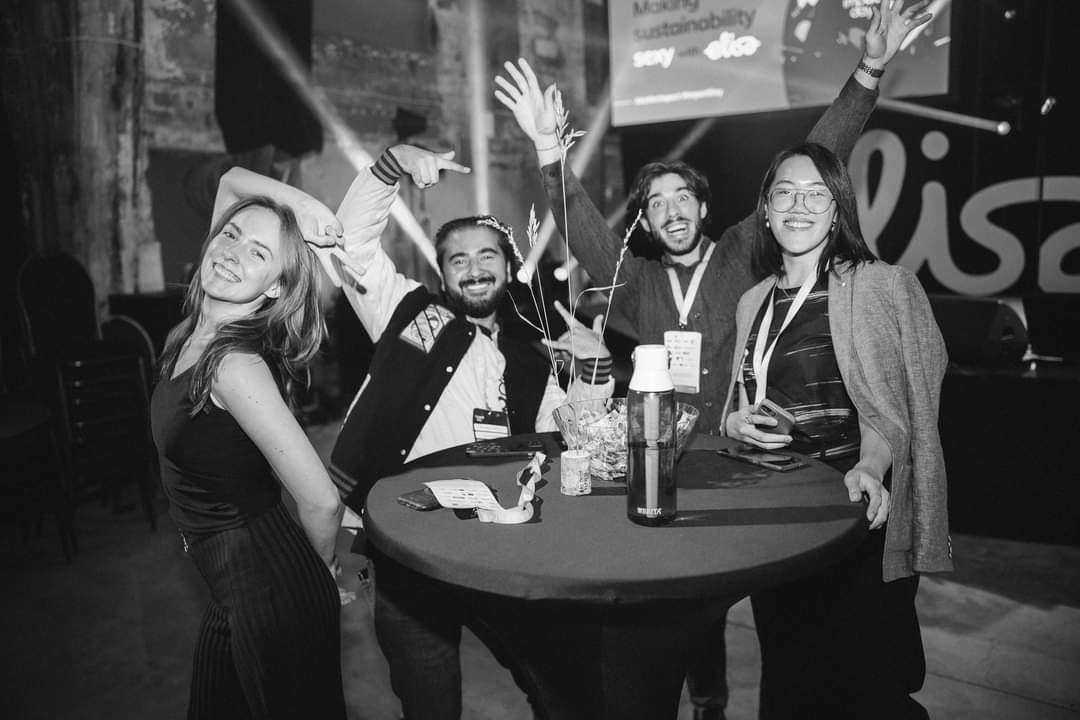
As an international student who had lived in Toronto nearly my entire life, moving to Estonia was both exciting and transformative. Between ESN and other student organisations, there is no shortage of ways to connect. I’ve met people here from around the world who have since become close friends - relationships that have shaped my experience for the better.
The connections I’ve made here have also led me to co-found Hongkongi Maja, an NGO dedicated to the integration and connection of Hongkongers in Estonia, along with two other students from Tallinn University.
Returning to school after building a career was a significant life decision. It required stepping away from stability and embracing uncertainty. But it also opened up new ways of thinking about my own growth. Looking back, I have no regrets.
For anyone considering a similar shift, I would wholeheartedly recommend Tallinn University and the SEMA programme. Sometimes the most unexpected paths lead to exactly where you are meant to be.