Students Learning to Notice the Green Shift: Reflections from Jelgava
SOGOLAS student Assumpta reflections from the Green Shift Programme in Jelgava, Latvia
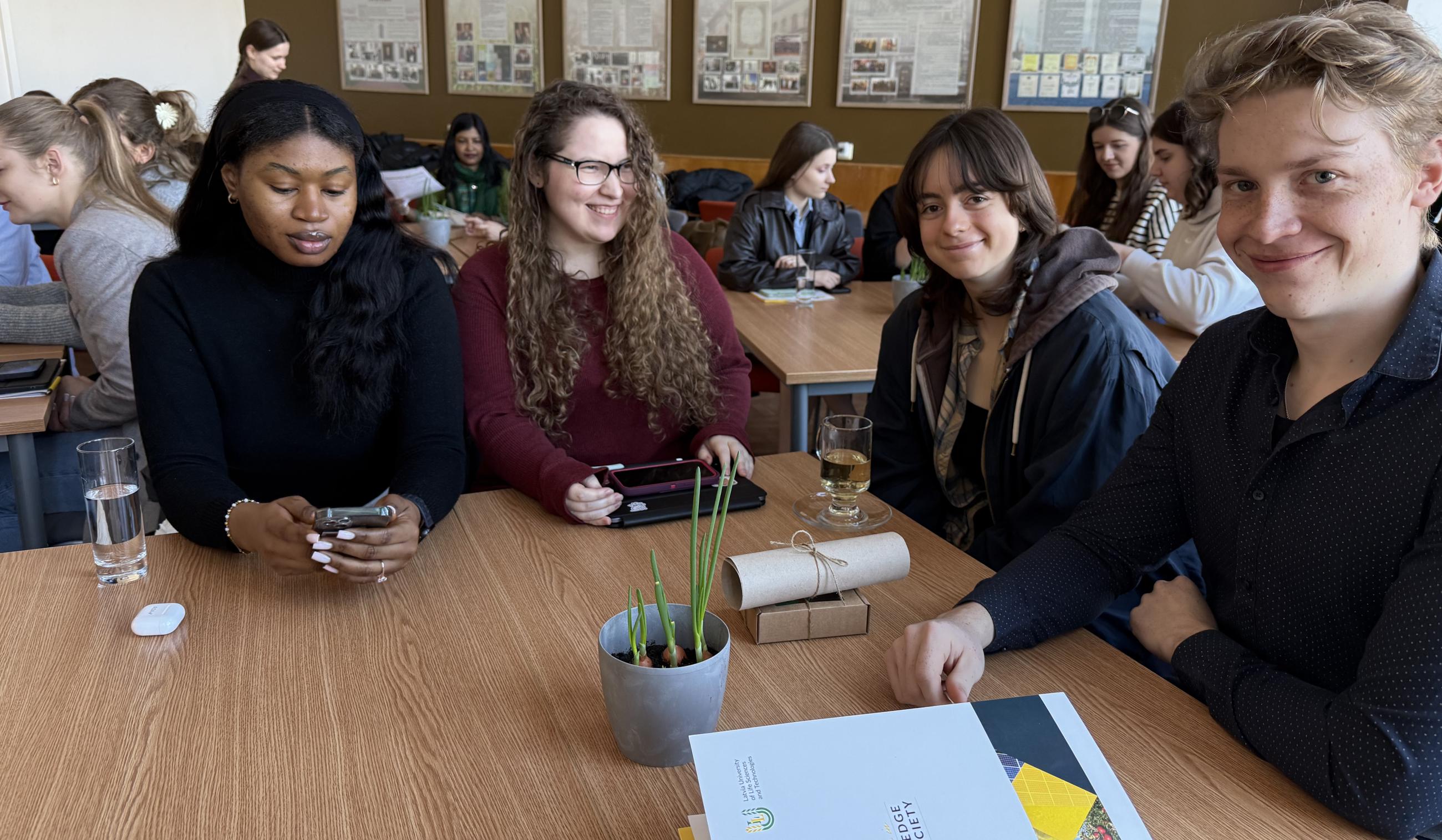
I didn’t expect a one-week Erasmus BIP course in Latvia to change how I perceive everyday environments. Yet between walking through a windy city, visiting a repurposed manor, and engaging in group sustainability challenges, I noticed how the “green shift” moved from an abstract concept to something visible in practice.
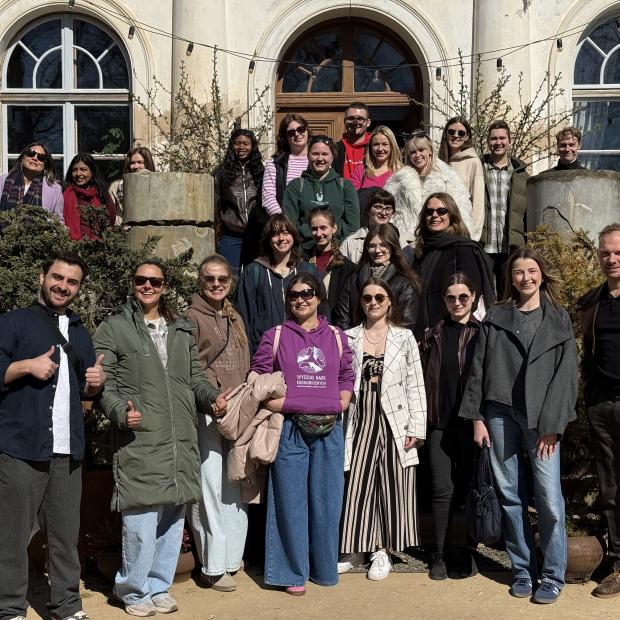
As part of a group from Tallinn University’s Social Entrepreneurship programme, we travelled to Jelgava for an intensive week focused on the Green Shift, sustainability, and social innovation. From the outset, the programme felt carefully structured. Even the bus journey from Estonia created a sense of connection among students, turning travel itself into part of the shared learning experience.
In Jelgava, the organisation was consistently precise and considerate. Accommodation, schedules, Wi-Fi access, and daily guidance were all prepared in advance, reflecting a clear intention to support both academic engagement and participant well-being.
One detail that quietly shaped the rhythm of the week was the food. Meals were consistently available and varied, contributing to a sense of comfort and continuity throughout the programme.
One of the most impactful learning moments came through a city-based activity. We were given photographs of different locations in Jelgava and tasked with identifying each site, documenting it, and analysing the sustainability challenges and potential solutions connected to it.
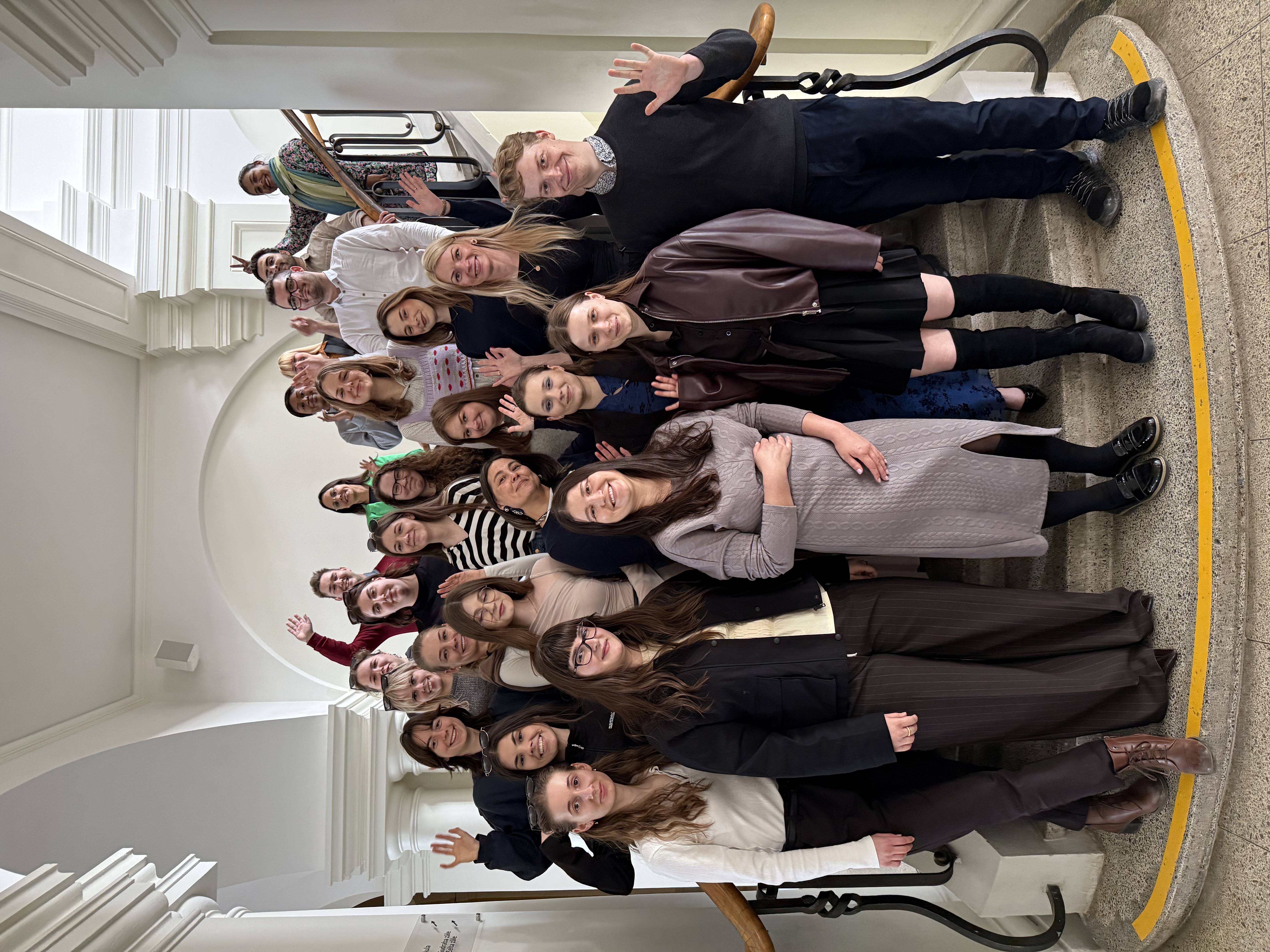
What initially appeared to be a simple exercise became unexpectedly revealing. As we moved through the city in cold, windy conditions, I noticed details that are often overlooked, such as spatial design, movement patterns, and the subtle ways urban environments shape behaviour. At one point, standing by the river after completing a task, I realised I was no longer simply observing a city. I was learning how to interpret it. Midway through the week, we visited a restored manor that had been transformed into a multifunctional social space.
The site integrated entrepreneurship, creativity, and community engagement in a way that was both practical and imaginative. What was once an abandoned building had become a venue for events, cultural projects, tourism, and even animal rescue initiatives that formed
part of its identity.
Another visit took us to an organisation employing people with disabilities in structured, inclusive work environments. Observing this model in practice shifted inclusion from an abstract concept to a tangible system of participation and dignity. Together, these experiences reinforced a central insight: the green shift is not limited to environmental change; it is deeply embedded in social and economic systems.
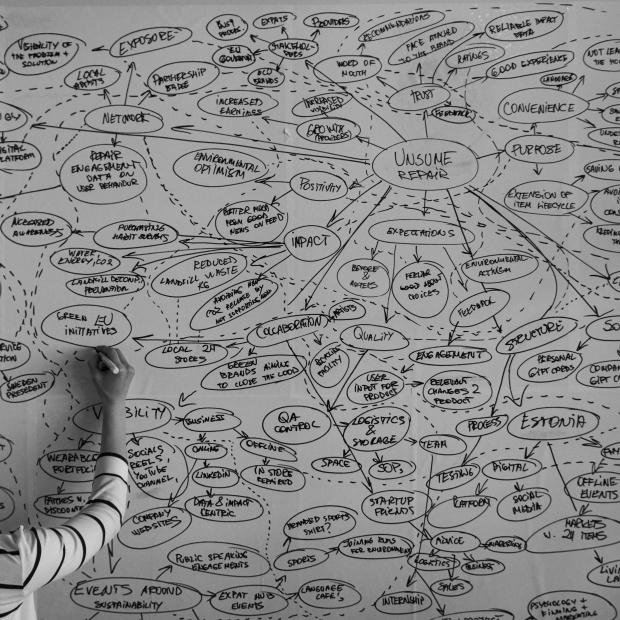
Throughout the week, we worked in groups on sustainability-related challenges, including topics such as accessibility in daycare systems across Europe. Rather than focusing on fixed solutions, the emphasis was on dialogue, reflection, and co-creation. Each session encouraged us to question assumptions and approach problems from a systems-based perspective.
Over time, the Green Shift stopped being a subject of study and became a way of thinking. By the end of the programme, it became clear that the most significant learning outcome was not a single concept, but a shift in perspective. The Green Shift is not separate from daily life; it is embedded in how cities are designed, how organisations operate, and how inclusion is structured within systems.
What stayed with me most was how quickly this understanding developed, not only through lectures, but through direct experience: walking through a city, engaging with real organisations, and reflecting collectively with peers.
This week in Latvia did not simply teach the Green Shift. It reshaped how I notice it.