
Students from Germany and Cyprus joined TLU for an international project week
From 1 to 5 December 2025, the School of Digital Technologies at Tallinn University hosted the international project week Interactive Environments for Virtualization of Cultural Heritage, held within the European Erasmus+ Blended Intensive Program (BIP).
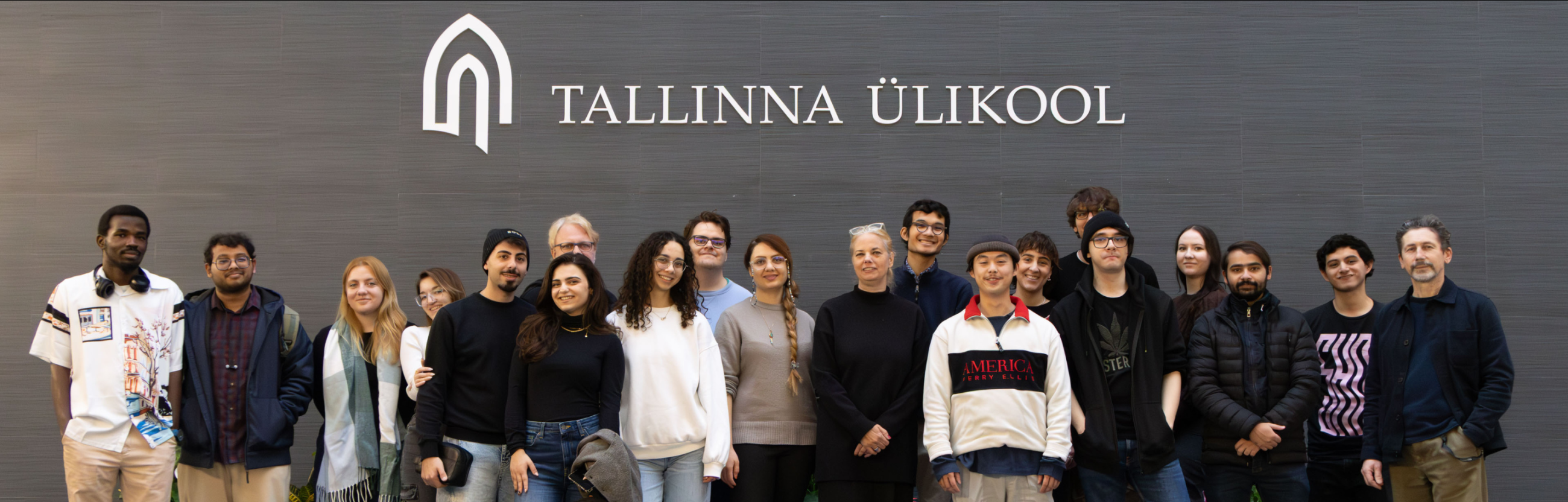
The project brought together students and lecturers from the Brandenburg Technical University (Germany) and the Cyprus University of Technology, alongside participants from the School of Digital Technologies. Tallinn University was represented by Mati Mõttus, Lecturer in Human-Computer Interaction, together with master’s students from the Human-Computer Interaction programme.
The project week in Tallinn was the third stage of the programme. The first contact week took place in October at the Brandenburg Technical University, where students received an in-depth introduction to metaverse technologies, virtual and augmented reality solutions, and the foundations of interactive environment design. The second study week was conducted online, focusing on the theory and methods of affective and physiological data collection. Tallinn project week focused on user-centered design methods, interaction logic, and user experience measurement, offering students the opportunity to test their prototypes in real conditions and evaluate their performance.
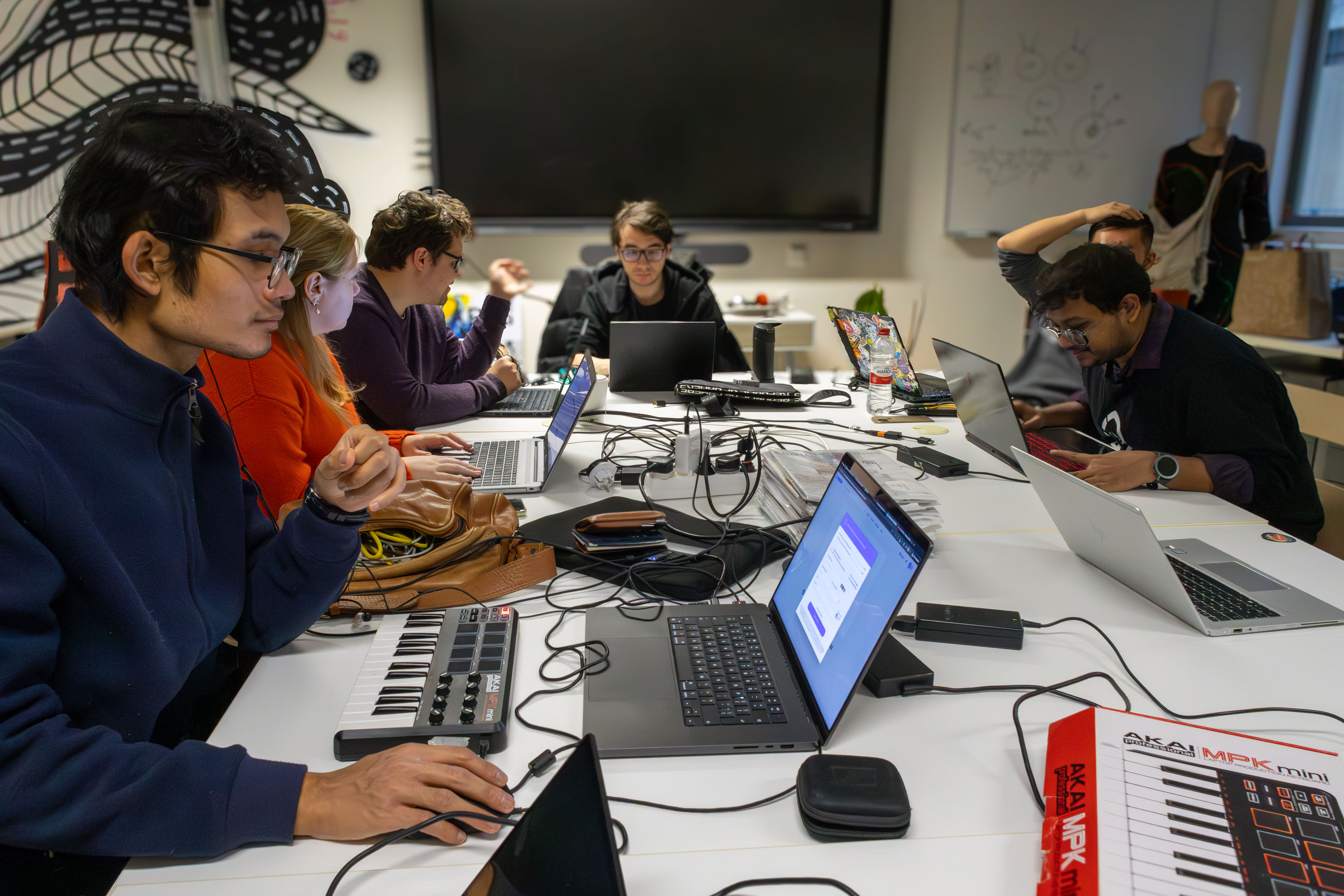
Throughout the week, student teams worked in Tallinn University’s laboratories, applying eye tracking, facial expression analysis, electrodermal activity sensing and heart rate monitoring to develop and validate their project ideas. The aim was to collect data to assess the usability of interactive solutions and to better understand how people engage with digital environments.
All student projects addressed themes related to the digitisation of cultural heritage and the creation of virtual cultural experiences.
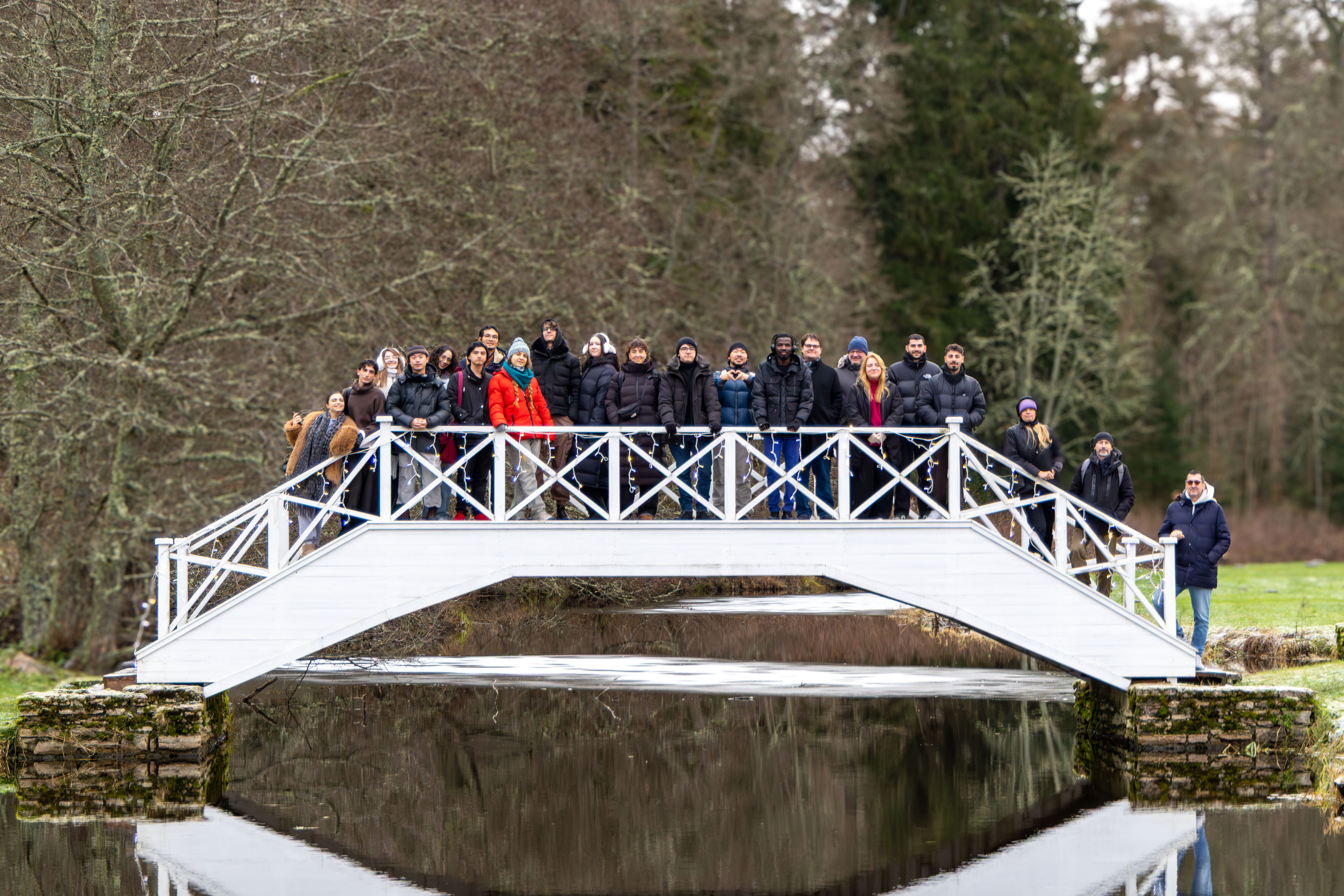
The project week was led by Professors Julia Schnitzer and Christoph Luchs from Brandenburg Technical University, lecturer Mati Mõttus from Tallinn University’s School of Digital Technologies, and Professor Evangelos Karapanos from the Cyprus University of Technology. During the week, participants also visited museums in Tallinn, explored the Old Town and the harbour area, and joined an excursion to Lahemaa National Park to experience diverse cultural environments from a user experience perspective.
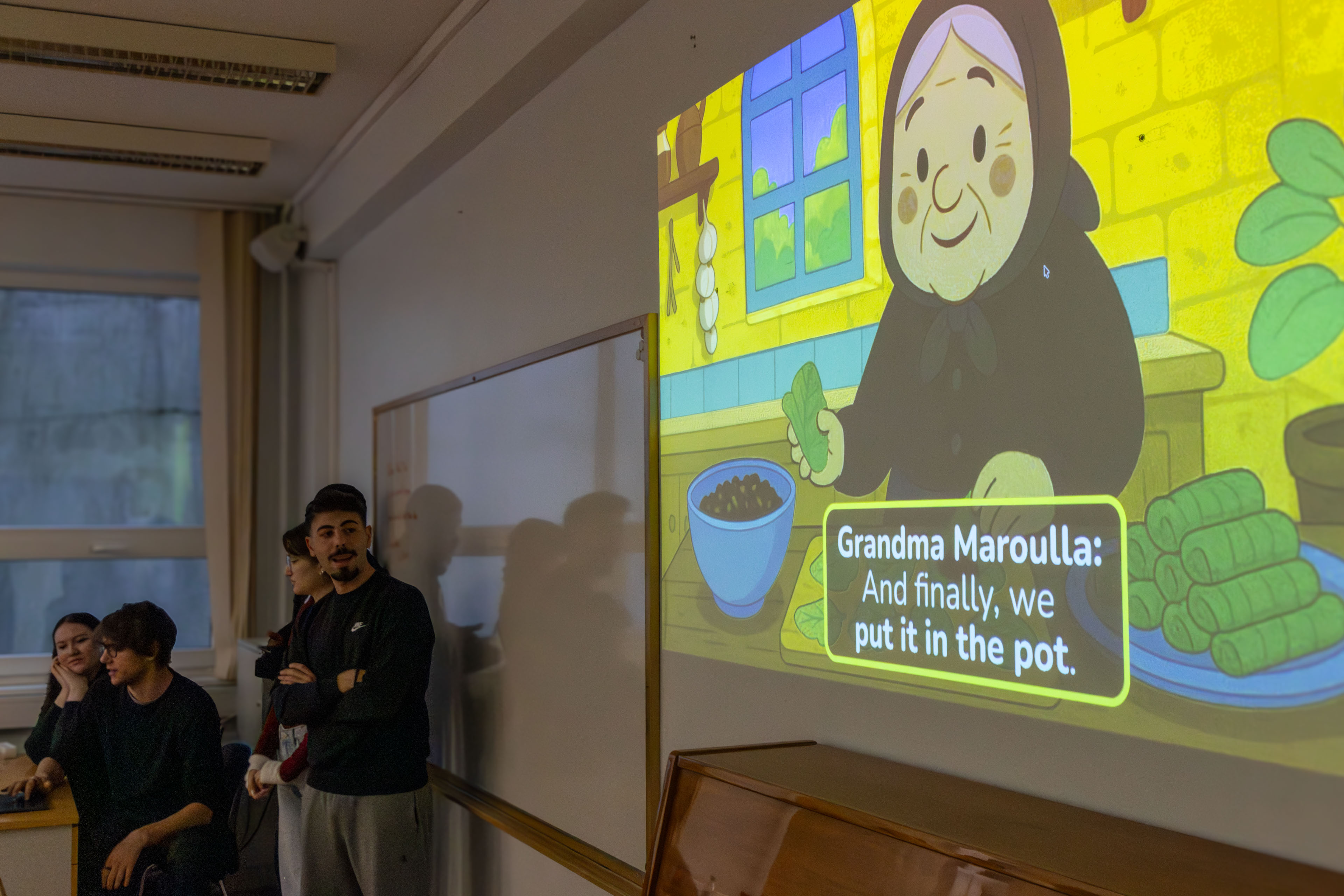
The week concluded with student presentations, where teams introduced their project outcomes and received feedback from lecturers and fellow participants.
The BIP course will continue in the summer of 2026.