Brazilian Research Immersion and New HCI Partnerships with PUC-Rio and UFMG
A research visit to Brazil by Gabriela Beltrão, Iuliia Paromonova, and David Lamas strengthened collaboration between Tallinn University and Pontifícia Universidade Católica do Rio de Janeiro (PUC-Rio) and the Federal University of Minas Gerais (UFMG). The visit combined doctoral fieldwork with strategic meetings to establish long-term cooperation in human–computer interaction and human-centred digital technologies.
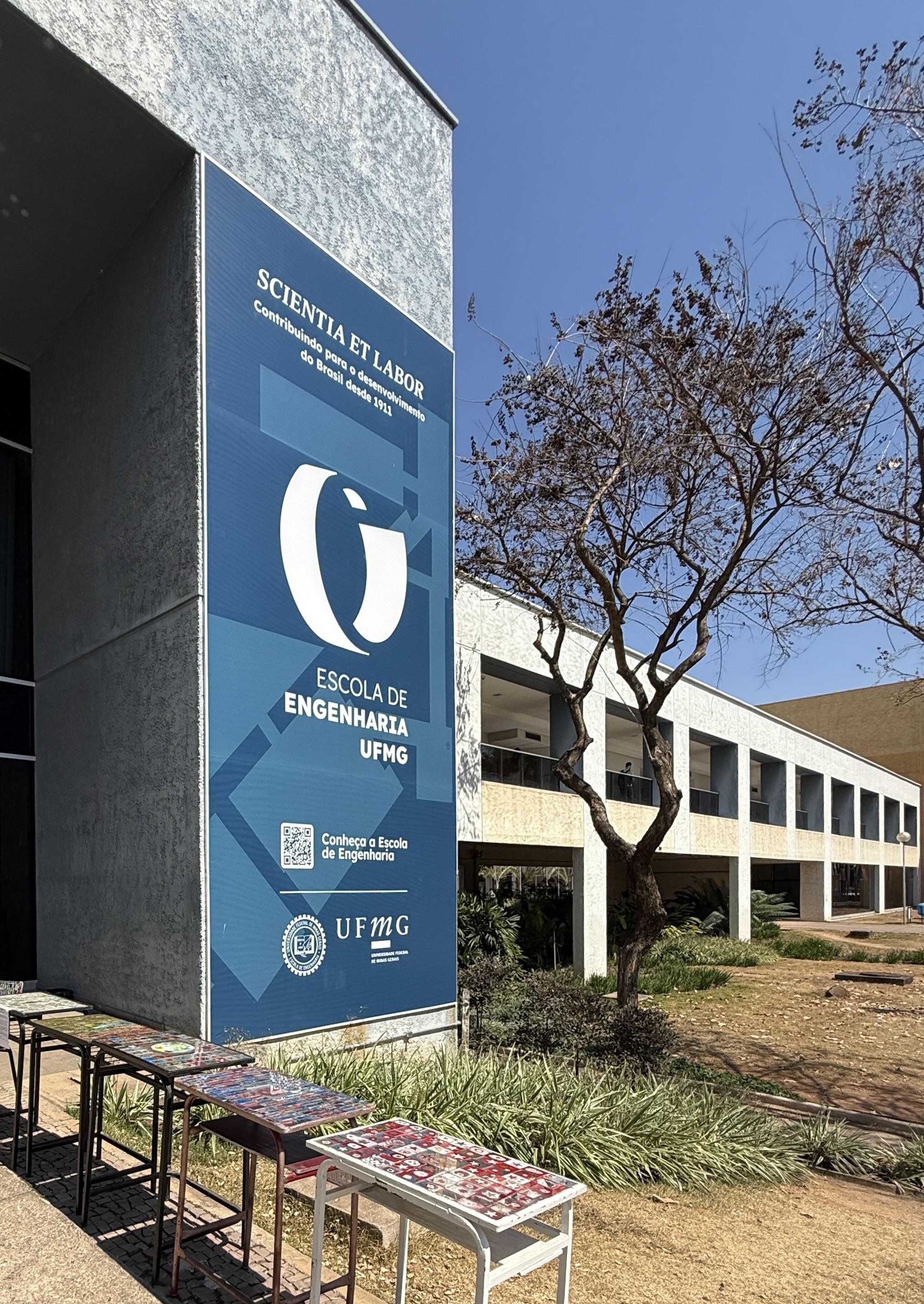
Tallinn University’s School of Digital Technologies recently deepened its collaboration with Brazilian research institutions through a visit to Pontifícia Universidade Católica do Rio de Janeiro (PUC-Rio) and the Federal University of Minas Gerais (UFMG). The visit involved doctoral researchers Gabriela Beltrão and Iuliia Paromonova, together with David Lamas, Professor of Human–Computer Interaction at Tallinn University, and focused on advancing doctoral research and establishing new institutional partnerships.
Gabriela Beltrão and Iuliia Paromonova spent two months in Brazil, hosted at PUC-Rio in Rio de Janeiro and UFMG in Belo Horizonte. During their stay, they conducted field studies, engaged with local research groups, and made significant progress towards their doctoral degrees within Tallinn University’s Information Society Technologies doctoral programme. Their work reflects the programme’s emphasis on empirical, practice-based research grounded in real-world contexts and international collaboration.
In parallel with the doctoral stays, David Lamas visited both universities to explore and formalise collaboration opportunities. At PUC-Rio, discussions focused on cooperation with Professor Simone Barbosa, whose work in human–computer interaction, interaction design, and information visualisation closely aligns with Tallinn University’s research on human-centred digital technologies. At UFMG, meetings with Professor Raquel Prates centred on shared interests in human-centred computing, usability, and the design and evaluation of interactive systems.
Together, these activities laid the groundwork for future collaboration, including joint supervision of doctoral candidates, researcher exchanges, and shared research initiatives. By connecting doctoral fieldwork with strategic partnership building, the visit strengthened international research links and reinforced Tallinn University’s commitment to globally engaged, human-centred digital technology research.