SHAREE ACTIVITIES BLOG
Welcome to the SHAREE activities blog! Here we share the activities, excursions, visits, and successes carried out within the project. Read on to become part of the exciting world of SHAREE!
SPRING 2026
Presenting SHAREE activities at the END2026 Conference (20th-22nd of June, 2026)
The Science Kitchen team participated in the END – International Conference on Education and New Developments, held in Funchal, Madeira, from 20 to 22 June 2026. During the conference, we presented the outcomes of the SHAREE project to an international audience. Our contributions included a presentation of the Blended Intensive Programme (BIP) course STEAMing Food Against Wicked Environmental Problems, an introduction to the HANO course Supporting General Competencies: Integrating STEAM and Home Economics for subject teachers, and an overview of home economics education across European schools. All three presentations were published in the conference proceedings and are available on the SHAREEE website under the "Published Articles" section. The conference provided an excellent opportunity to receive valuable feedback, exchange ideas, and discuss our achievements with colleagues from around the world.
The warm hospitality of both the people of Madeira and the conference organisers made the experience especially memorable. As part of the social programme, we visited several small towns outside Funchal and explored a local farmers' market. During the gala dinner, we enjoyed performances showcasing traditional Madeiran costumes, music, and dances, while also tasting local delicacies that left a lasting impression.
On the final day, we visited the Banana Museum, where a guided tour offered fascinating insights into the history, cultivation practices, and future challenges of banana production in Madeira. The knowledge and inspiration gained from this visit will enrich Science Kitchen activities related to sustainable food production.

SHAREE Summer School Course in Tallinn (14th-18th of June 2026)
The SHAREE project successfully organized the international summer school "The Opportunities of Integrative Education in the EU" at Tallinn University. The intensive five-day course brought together 15 doctoral students and early-career researchers from seven European countries, namely Estonia, Finland, Ireland, Sweden, Norway, Iceland, and Hungary, to explore current research on integrative education, STEAM, and Home Economics.
The Summer School provided participants with a supportive environment to develop their research projects, strengthen their academic writing skills through expert supervision, and establish valuable international research networks. The programme combined research seminars, collaborative discussions, and hands-on activities in the Science Kitchen, demonstrating how theoretical concepts can be translated into meaningful educational practice.
According to participants' feedback, the Summer School deepened their understanding of the connections between STEAM and Home Economics and highlighted the potential of Home Economics as an authentic context for interdisciplinary learning. They also valued the opportunity to exchange ideas with peers from different countries, receive constructive feedback on their research, and gain new perspectives on doctoral studies and educational research across Europe. Many participants described the collaborative atmosphere, inspiring lecturers, and international networking opportunities as the most rewarding aspects of the course, leaving them with greater confidence, fresh ideas, and lasting professional connections.

Science Kitchen team Participated in the Youth Green Forum (29th of May 2026)
On the 29th of May, the Science Kitchen team participated in the Põlvamaa Youth Green Forum, held at Põlva Gymnasium. This year's theme, "Our Planet, Our Decisions," brought together young people from Southern Estonia to explore how everyday choices affect the environment and how sustainable solutions can help create a greener future. Science Kitchen representatives conducted two interactive workshops: "Sustainable Food Production – Smart Use of Resources" and "My Sustainable Breakfast Choices." More than 30 young participants explored the environmental impact of their daily food choices, discussed the origin and environmental footprint of common breakfast ingredients, and identified practical ways to reduce food waste in the home kitchen. The workshops encouraged participants to make more informed and sustainable food choices while demonstrating how small everyday decisions can have a meaningful impact on the environment.

Staff Exchange from UH to TLU (15th-18th of May 2026)
In the end of May, Sonja Anttila, a Postdoctoral researcher from the University of Helsinki, took part in a staff exchange visit to Tallinn University as part of the SHAREE project. During the visit, she attended the final seminars of the STEAM development course for Home Economics in-service teachers and the micro-credential programme for chefs and food entrepreneurs. These events offered valuable insights into the project from an Estonian point of view and created opportunities for discussion and knowledge sharing with colleagues and stakeholders.
An important part of the exchange was to get an overview of the impressive work of the Tallinn partners on STEAM themes and to collaborate with them in person. We worked together on ongoing project activities, discussed the upcoming Summer School and Conference details, developed the final version of the D3.1, and explored possibilities for future cooperation. The visit strengthened professional academic networks and demonstrated the benefits of international collaboration in developing Home Economics education and research.
The programme also included a visit to the Finnish School of Tallinn, with the chance to join and observe Home Economics and Health Education classes. This provided an interesting perspective on teaching practices in an international school setting and further highlighted the importance of sharing experiences across educational environments. Overall, the staff exchange was a highly rewarding experience that built partnerships, promoted the exchange of best practices, and strengthened the foundation for ongoing collaboration.

The Science Kitchen team had an Institutional Building Day at the inspiring LOOW Studio (8th of May, 2026)
The team came together to reflect on a productive winter season and plan activities for the upcoming autumn. We reviewed potential collaboration opportunities identified during a recent university-wide meeting and discussed which initiatives could be launched already in the coming semester. We were also delighted to welcome Kelly Laane, who joined our institute in May as a Food Innovation Development Specialist. We look forward to working with Kelly and believe her expertise will help strengthen the Science Kitchen's collaboration with industry and support the development of new partnerships with businesses.
.jpg)
Analysis Report Completed: Integrating Home Economics and STEAM Education in the European Context (29th of April, 2026)
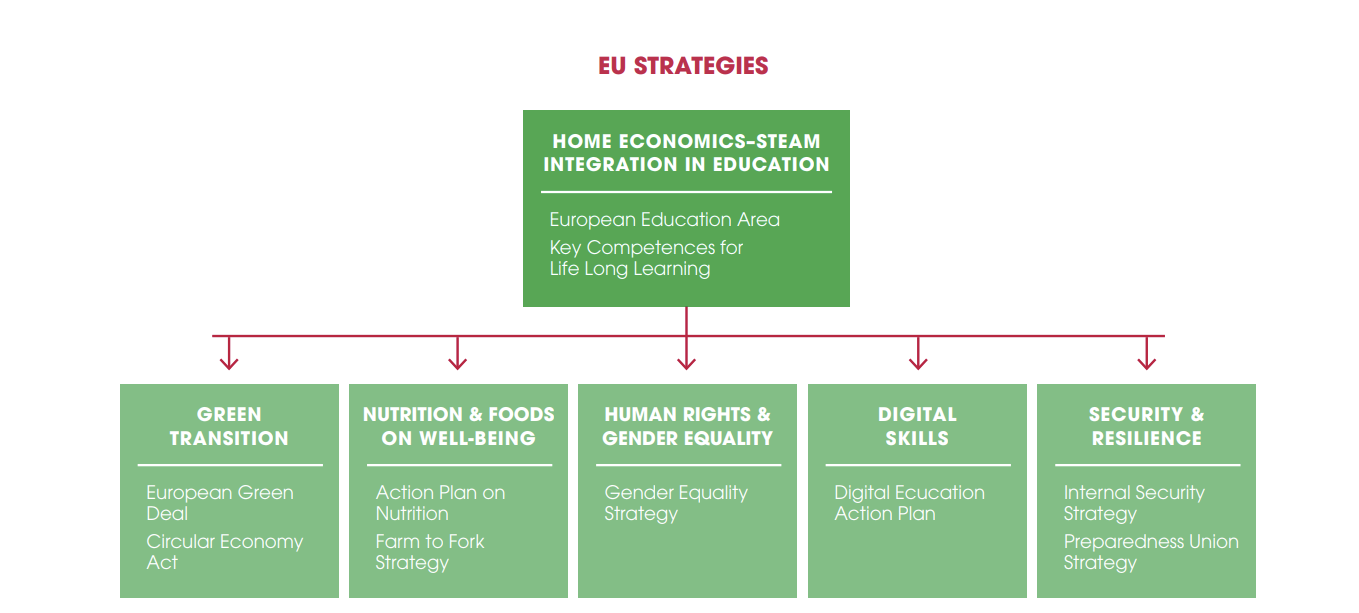
One of the central outputs of the SHAREE project is the research-based report "Educating for the Future: Integrating Home Economics and STEAM in EU," which consolidates research findings on the integration of Home Economics and STEAM education within the European context. The material provides an overview of how to combine scientific knowledge, creativity, and daily life skills into holistic and meaningful learning, offering guidelines for both curriculum development and the modernization of teaching practices. The collection highlights the interdisciplinary nature of Home Economics, which creates a strong foundation for implementing the STEAM approach -- supporting students' problem-solving skills, creativity, and the application of knowledge in real-life situations. Additionally, the material establishes clear links between various subject areas of Home Economics and European Union strategies and guidelines, highlighting how Home Economics content supports the achievement of EU objectives. The collection provides valuable support for the development of future-oriented and cross-disciplinary education.
Blueberries revealed secrets at the Students' Science Festival (April 22–23, 2026)
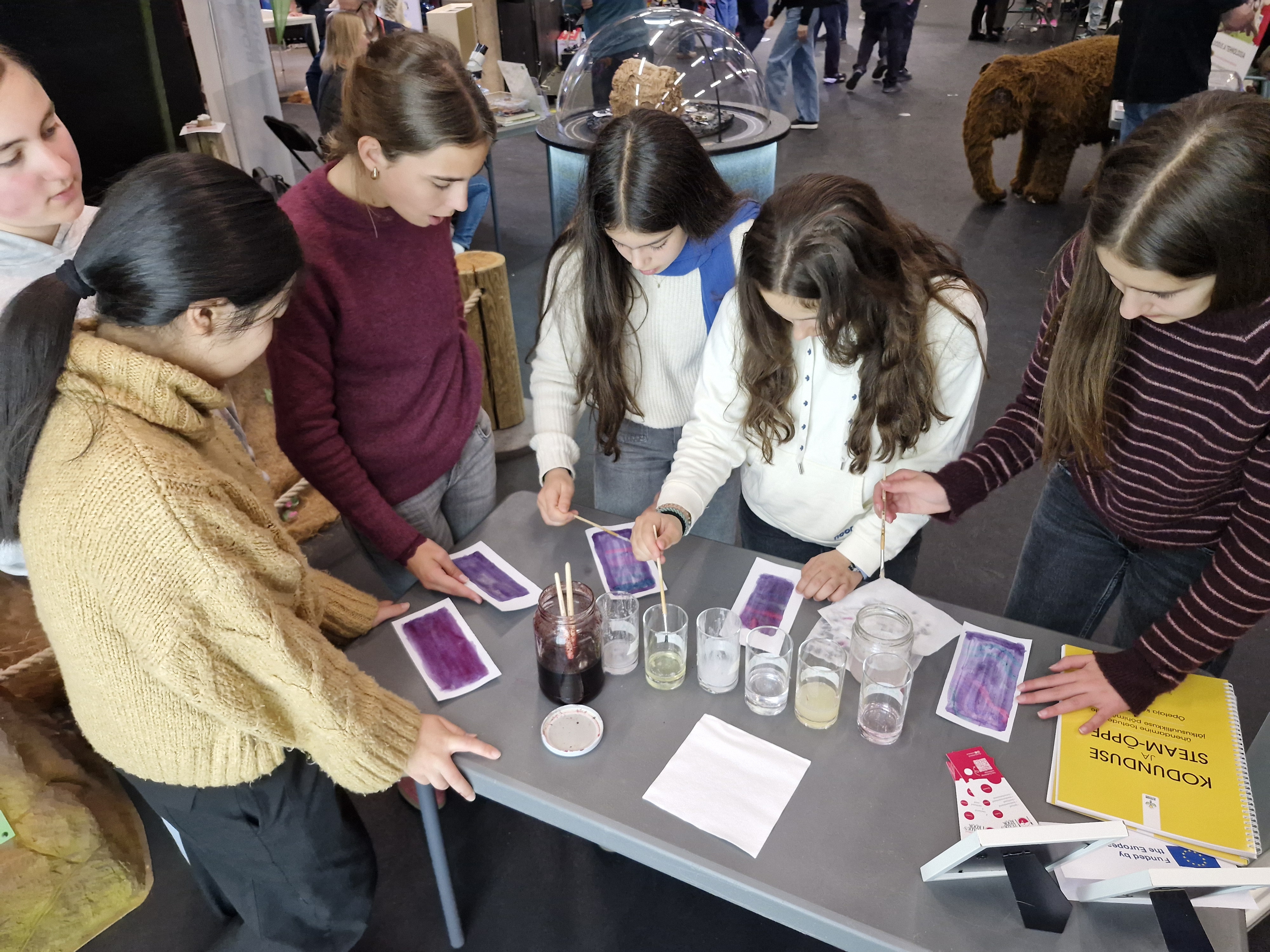
The Science Kitchen spent two busy days at the AHHAA Science Centre in Tartu. Our exhibition area focused on an activity called "Blueberries as Revealers of Secrets." Children and adults were able to test their knowledge of the acidity and alkalinity of foodstuffs and verify their hypotheses through exciting color-changing experiments. Additionally, we conducted a workshop titled "Color-Changing Sweet Magic with Blueberries" for interested participants. Also, we shared practical ideas with teachers on how to use the world of food to make school lessons more engaging. We received a lot of warm feedback! Nearly 300 participants took part in the Science Kitchen activities.
The SHAREE Summer School Course Began (17th of April, 2026)
We launched the SHAREE summer school course with an introductory online meeting. From June 14–18, 2026, SHAREE is organizing the summer school "The Opportunities of Integrative Education in EU," which focuses on the research of integrated education, STEAM, and Home Economics education. This is an intensive course aimed at doctoral students and early-career researchers, where participants develop their research, gain supervised academic writing experience, and establish international cooperation networks. The program also includes practical activities in the Science Kitchen that link theory and practice. The course will host 15 participants from seven different European countries: Estonia, Finland, Ireland, Sweden, Norway, Iceland, and Hungary.
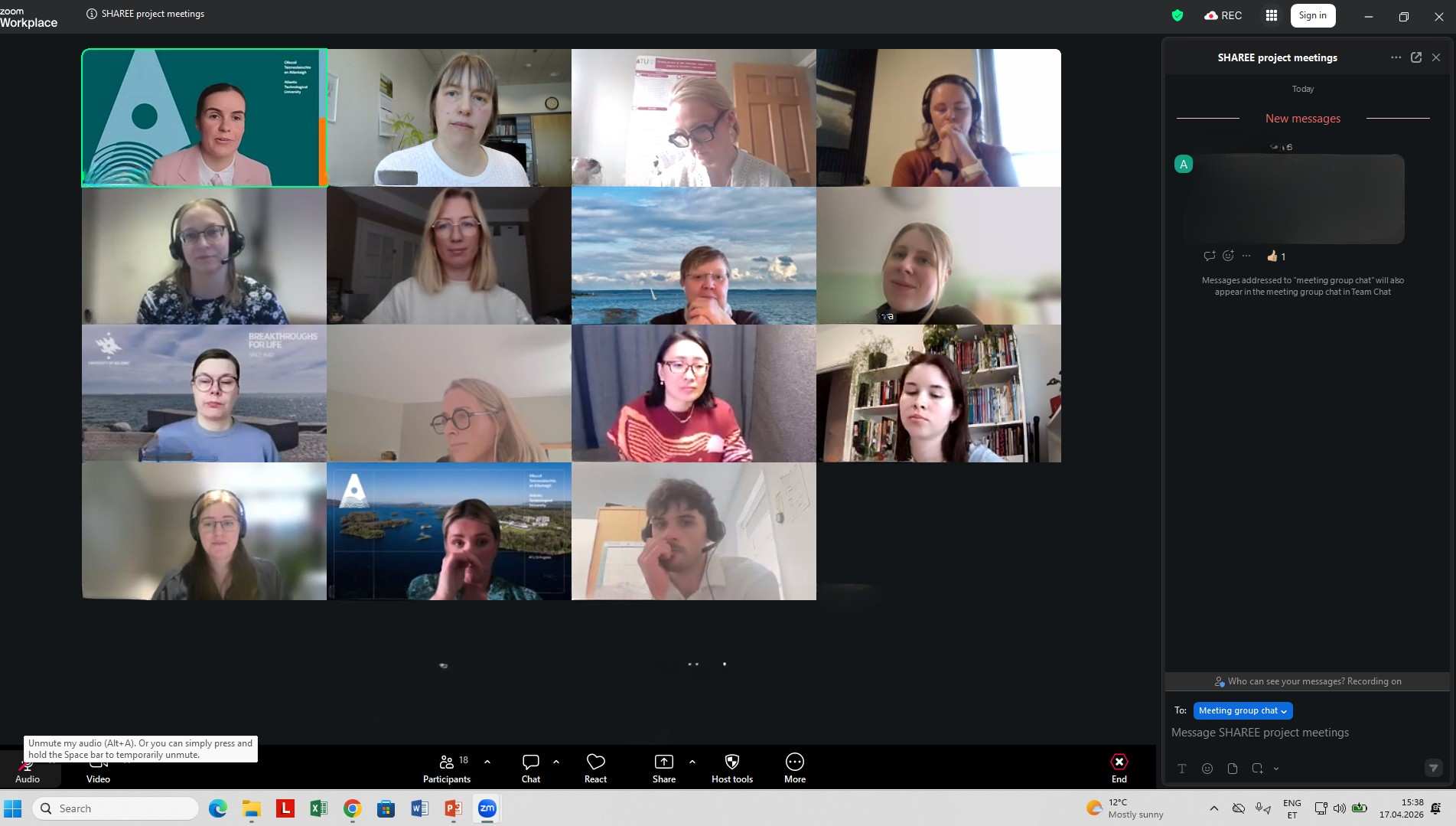
Free continuing education course for Teachers started for the second time (30th of March, 2026)
We have once again started the free professional development training for subject teachers: "Supporting General Competencies – Combining STEAM Fields and Home Economics in Practical Learning." This time, 18 teachers from all over Estonia have joined us, and to our great delight, there are participants from Põlva, Narva, and Saaremaa. Furthermore, it is heartening to see representatives from Handicraft and Home Economics as well as Chemistry, hobby education, and adult education.
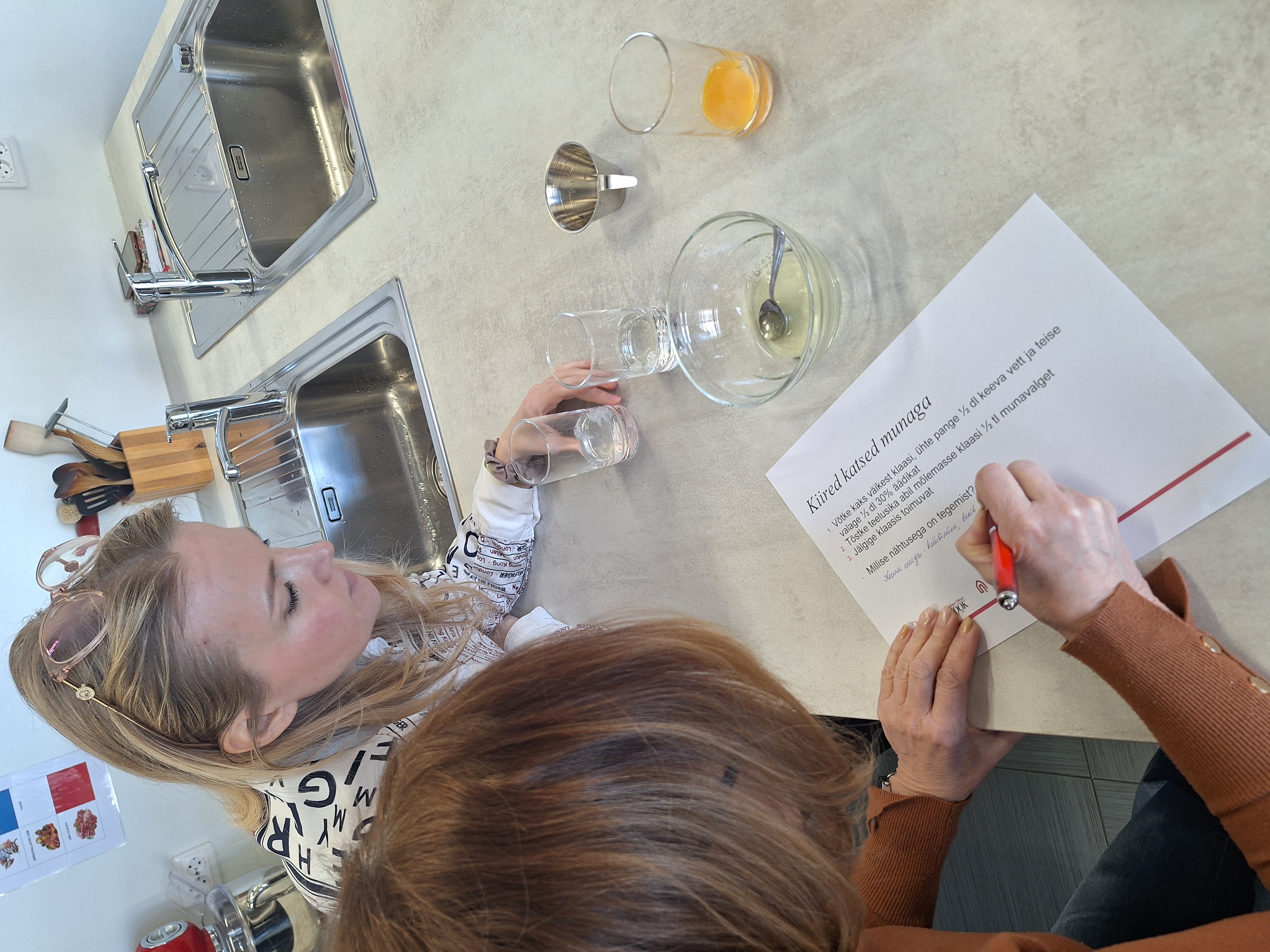
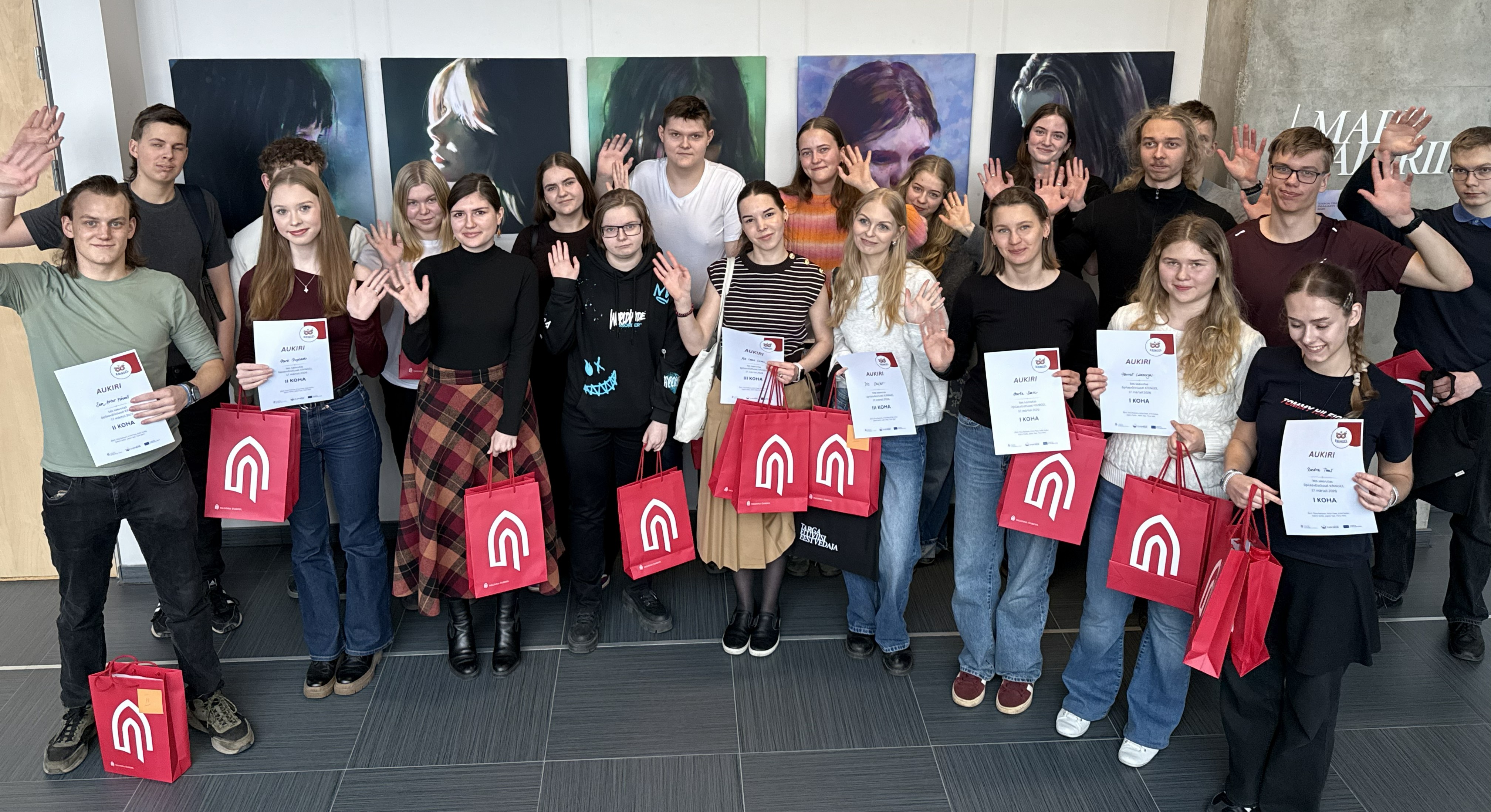
KRINGEL took place again (17th of March, 2026)
In the finals of this school year's student competition KRINGEL, the shrimp was more than just a food item - it became an object of multi-disciplinary research. High school students solved tasks that integrated Chemistry, Physics, Geography, and Home Economics into a holistic learning experience. They analyzed compounds found in shrimp, studied food texture changes from a Physics perspective, linked flavors and ingredients to different regions of the world, and put their knowledge to the test in practical cooking. Every task required both scientific thinking and creativity. KRINGEL proved once again that different subjects do not function in isolation but complement each other - science can be practical, sensory, and inspiring all at once. This year, 54 teams participated in the preliminary round, with 12 teams invited to the grand final.
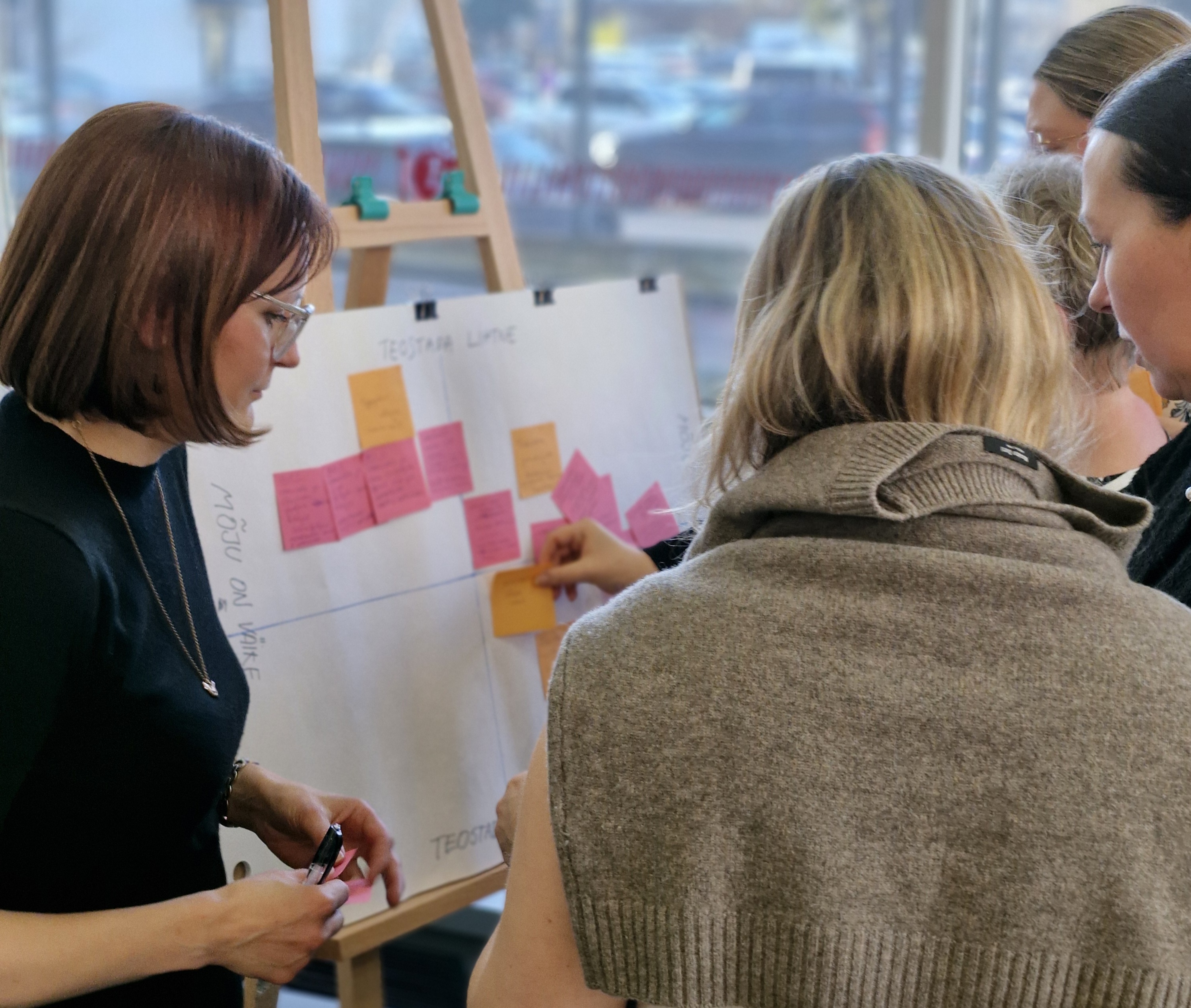
Interdisciplinary collaboration day at the Science Kitchen (13th of March, 2026)
The Science Kitchen brainstorming session, or in other words, an interdisciplinary collaboration day, brought together representatives from Tallinn University in the fields of Chemistry, Geography, Handicraft and Home Economics, Mathematics, Arts, Physics, and Biology. The aim of the meeting was to find common ground between different disciplines and discuss the role of the Science Kitchen in both teacher training and general education. The meeting began with an overview of the Science Kitchen's activities and development trends to date. As an introduction to the brainstorming session, joint practical experiments were conducted where theoretical knowledge was tested through cooking. As a result of the joint brainstorming, 26 diverse ideas were proposed for the further collaborative development of the Science Kitchen.
Representing SHAREE at the INTED2026 Conference in Spain (March 2–4, 2026)
Marit Nõmmik presented the results of the SHAREE curriculum study at the 20th International Technology, Education and Development Conference in Valencia, Spain. The poster presentation, "The Position of Home Economics in European Public School Curricula," highlighted the main findings of the curriculum analysis. It was inspiring to share the experiences of the curriculum study and discuss possible development trends in Home Economics with the global community.
.jpg)
Science Kitchen at the 2nd Science Education Conference (14th of February, 2026)
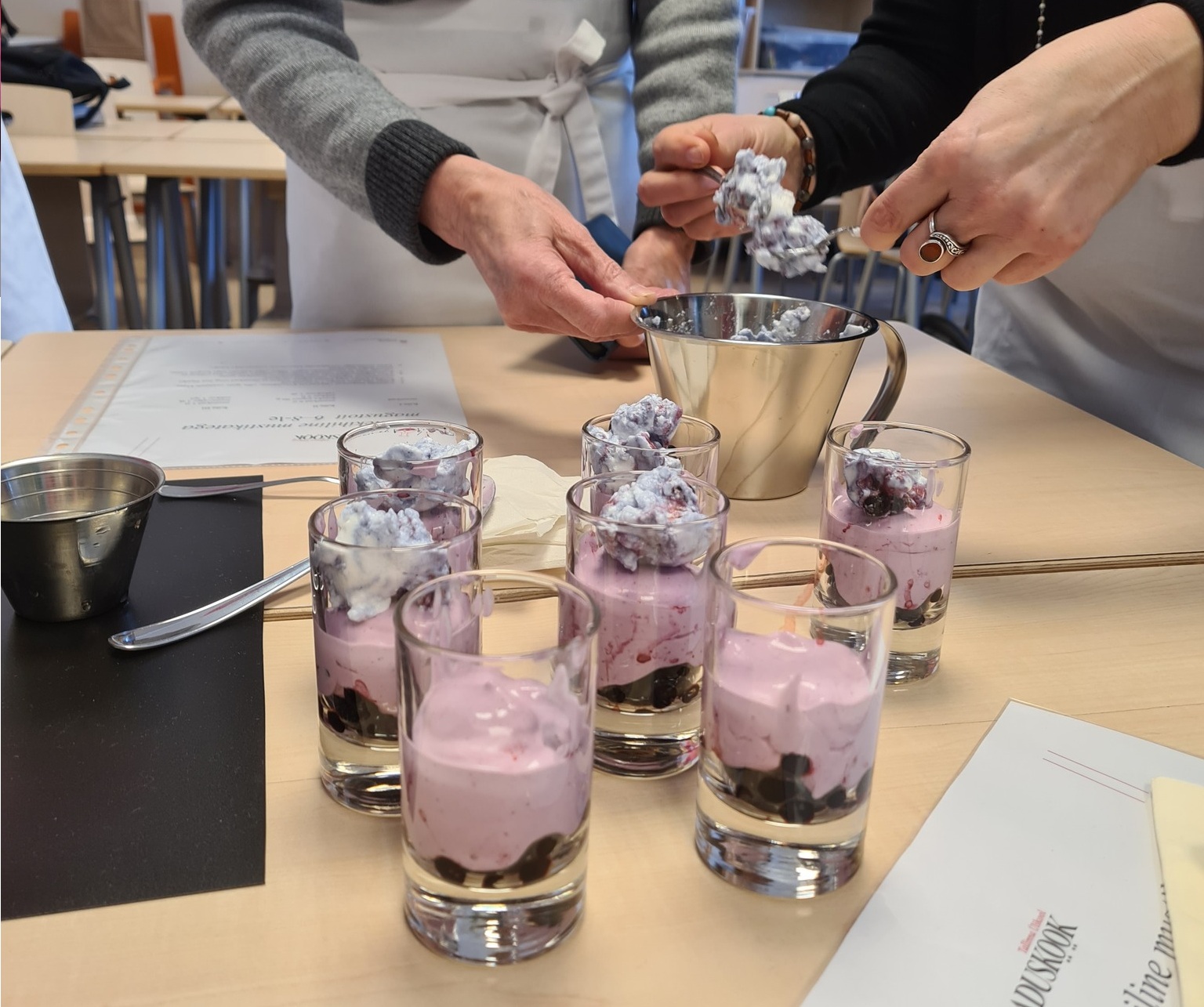
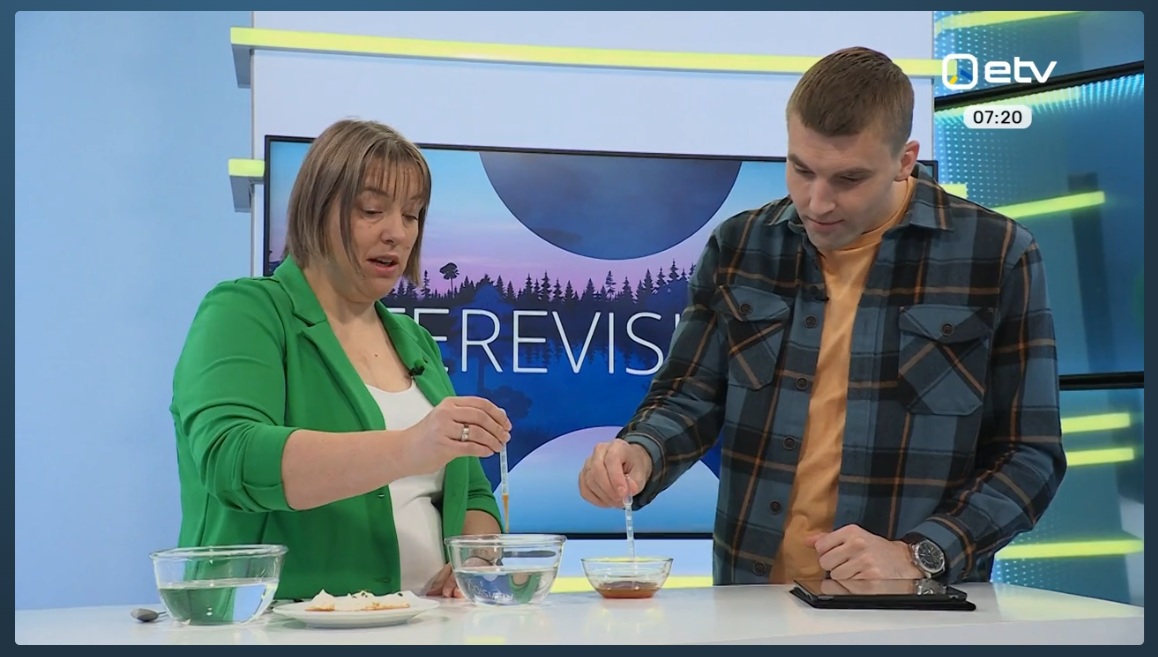
The Science Kitchen team participated in the 2nd Science Education Conference "Natural Sciences Inside and Around Us – What Is Not Yet Talked About in School." The two-day science conference was mainly attended by Science and STEM teachers, who participated in various presentations and practical workshops. The conference themes covered STEAM fields. There were workshops, presentations, and a panel discussion that provided inspiration and materials for preparing school lessons. Kristi Paas and Tiina Vänt from the Science Kitchen conducted a workshop titled "Simple Experiments, Exciting Discoveries with Blueberries," where they demonstrated the pH-indicator properties of wild blueberries while making a three-colored, three-layered dessert. A total of nearly 50 teachers visited the two workshops.
The first educational programs with the "Cloudberry" quality mark took place (February 10 and 11, 2026)
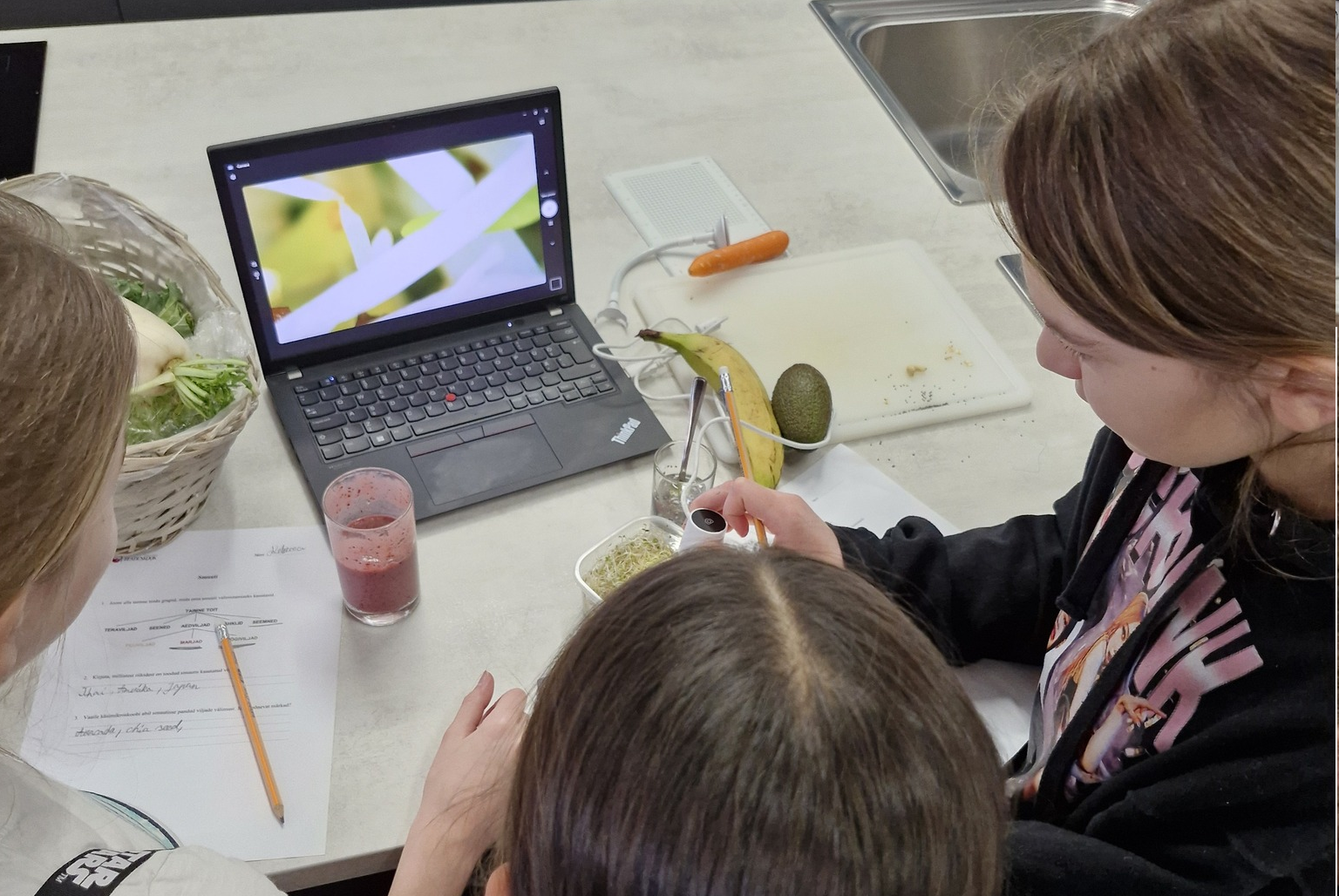
We are proud to have conducted two "Cloudberry" (Muraka) labeled educational programs for students of Viimsi School. Students from the 4th and 5th grades participated enthusiastically in the program "The Impact of My Choices on Environment and Health: Fruits and Vegetables." During the program, students learned about different fruits and discovered the environmental footprint of various produce. Together, they prepared a delicious smoothie, during which many students experimented with ingredients new to them. The educational program helps students understand how daily food choices affect both their own well-being and that of the planet.
Science Kitchen at the 19th Annual Conference of Education Leaders in Pärnu (February 5–6, 2026)
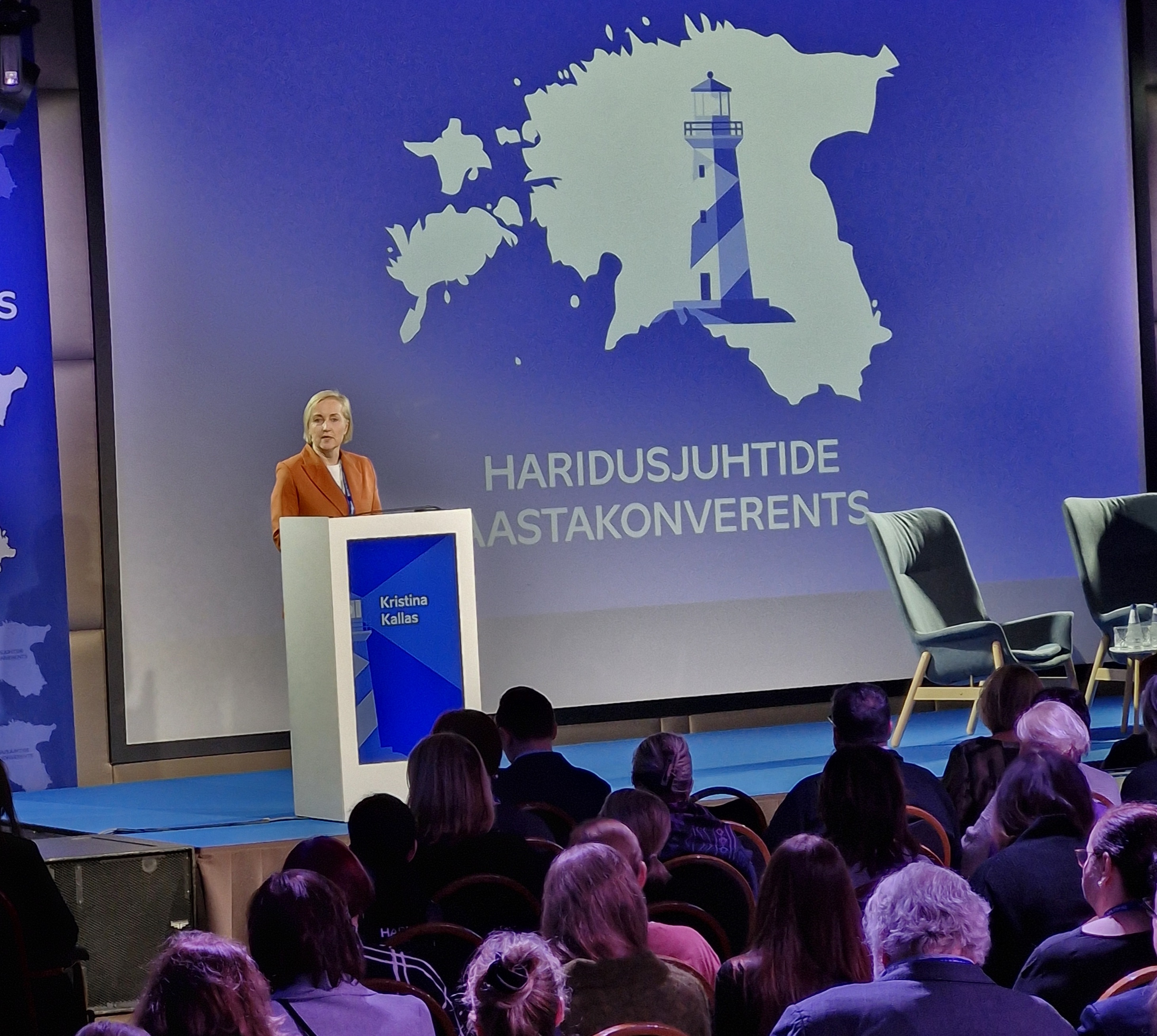
At this year's conference, participants jointly sought answers to the question: What is our future lighthouse in a stormy sea? Between in-depth discussions and lively interludes, we introduced the activities, training opportunities, and educational materials created by the Science Kitchen to education leaders. It was refreshing and inspiring to meet dedicated educational leaders!
Piloting a new form of collaboration (27th of January, 2026)
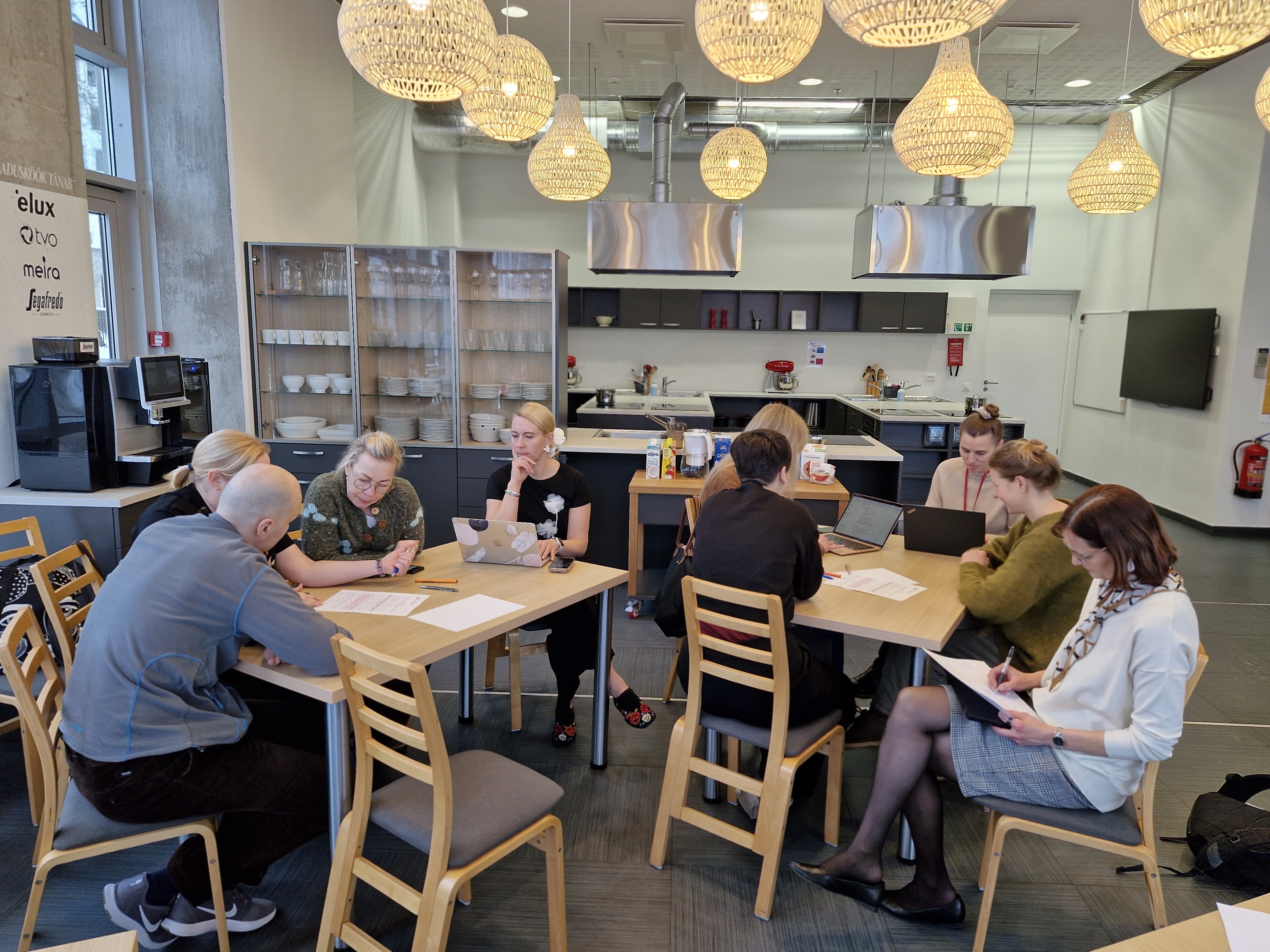
In the Science Kitchen format, we piloted a study on civic competencies in collaboration with the DEMOCRAT project team, where the central intervention was the collective preparation of porridge. This simple yet meaningful activity created an experiential group-work situation for participants, requiring collective decision-making, shared responsibility, and adaptation to changing circumstances. In this embodied and practical context, democratic civic competencies emerged directly and authentically. The activity was carried out as part of the concluding DEMOCRAT project, but it provided valuable input for further collaboration and discussion on how to support practices that shape democratic citizenship in school lessons.
SHAREE interdisciplinary scientific article published (14th of January, 2026)
The review article "Integrating Home Economics Education with STEAM: Thematic Review," published in the latest issue (18/2) of the International Journal of Home Economics, addresses the possibilities of integrating Home Economics and STEAM fields in education. The study focuses on how to support cross-disciplinary teaching by combining Science, Technology, Creativity, and daily life skills, and what added value this approach offers to learners. The analysis is based on scientific literature from the last ten years (2015–2025) and highlights that Home Economics is an inherently interdisciplinary field that aligns well with STEAM principles. The results show strong links in both approaches and teaching, particularly through problem-solving skills, creativity, and the practical application of knowledge. The article emphasizes that the integration of Home Economics and STEAM supports future-oriented education, helping to shape essential life skills and opening opportunities for innovative teaching practices.
First SHAREE Webinar Successfully Completed (13th of January 2026)
On January 13, 2026, the first SHAREE webinar took place to present the project's initial results. The session focused primarily on the curriculum research report titled: "Home Economics in European Public School Curricula." The event saw a diverse turnout with participants joining from various countries and regions, including: Ireland, Switzerland, Sweden, Germany, Estonia, Malta and Republic of South Africa.
The webinar provided a valuable platform for sharing the findings of the curriculum study with an international audience.
Fall 2025
Exciting News: Science Kitchen Programs Awarded the "Muraka" Quality Mark! (7th of December 2025)
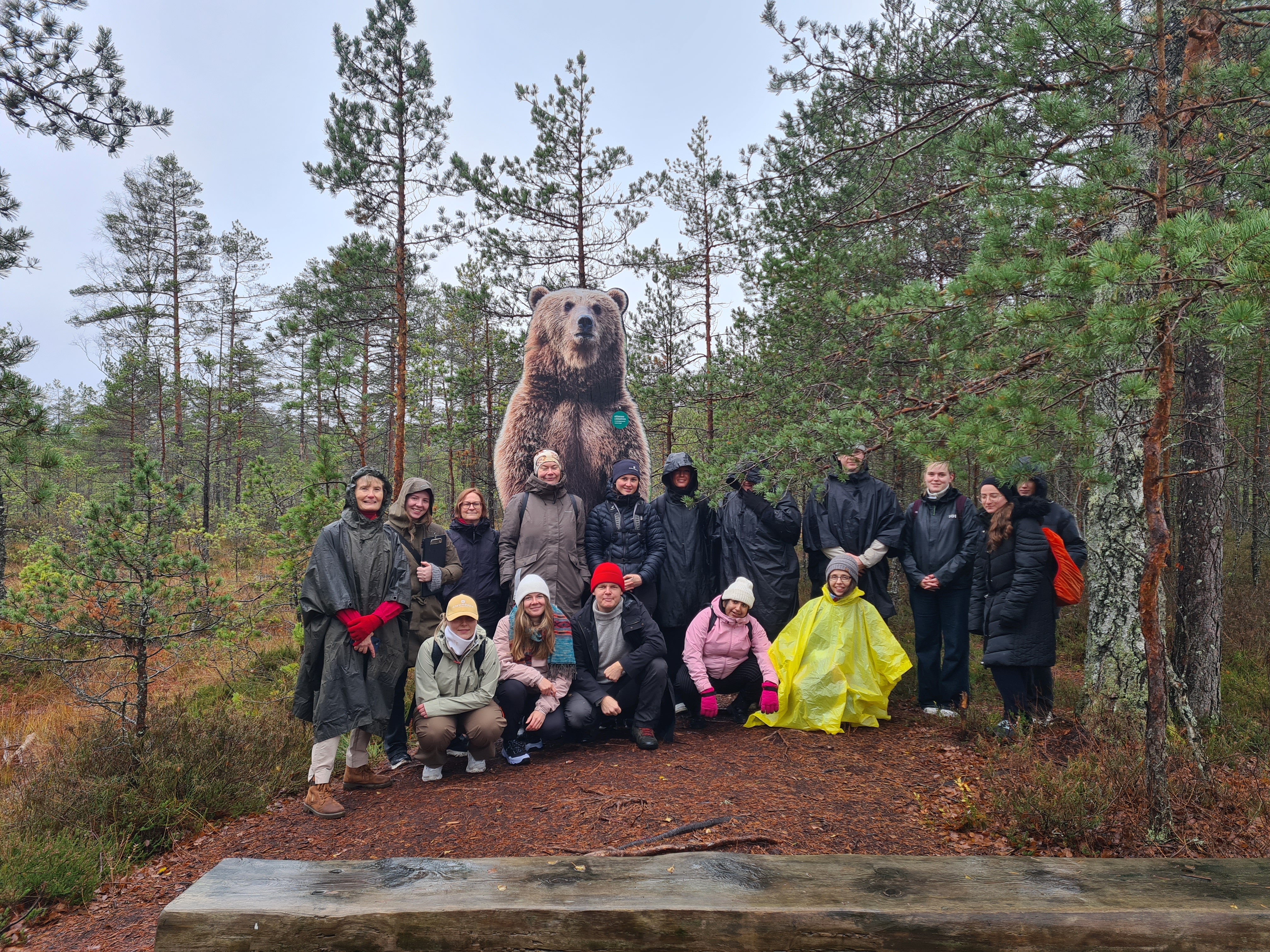
We are thrilled to announce that three of our educational programs at the Science Kitchen have officially received the prestigious "Läbimõeldud programm" (Well-Thought-Out Program) quality label, also known as the Muraka (Cloudberry) mark. It uses the Cloudberry (Murakas) because the berry is seen as a symbol of high value and purity in Estonian nature - just as the certified programs are of high value to students.
Issued by the Estonian Environmental Education Association, this certification is a "gold standard" for environmental education. It guarantees that our programs are pedagogically sound, align with the national curriculum, and provide high-quality, hands-on learning experiences for pupils. When you see the Cloudberry logo, you know the program has undergone a rigorous evaluation. It ensures that the learning is active, experimental, and impactful, shaping the next generation of environmentally conscious citizens.
Our Certified Programs:
- For Middle School (Grades 4–6)
The Impact of My Choices on Environment and Health: Fruits and Vegetables
Focus: Helping students understand how their daily food choices ripple out to affect both their well-being and the planet. - For Upper Middle School (Grades 7–9)
Household Chemistry Wisdom and Eco-Friendly Choices
Focus: A deep dive into the science of everyday products, teaching students how to make safe and sustainable consumer decisions. - For High School (Gymnasium)
Sustainable Food Production – Smart Use of Resources
Focus: Analyzing the future of food through the lens of resource management and innovation.
International BIP Course Brought Future Home Economics Teachers to the Science Kitchen (27th-31st of October 2025)
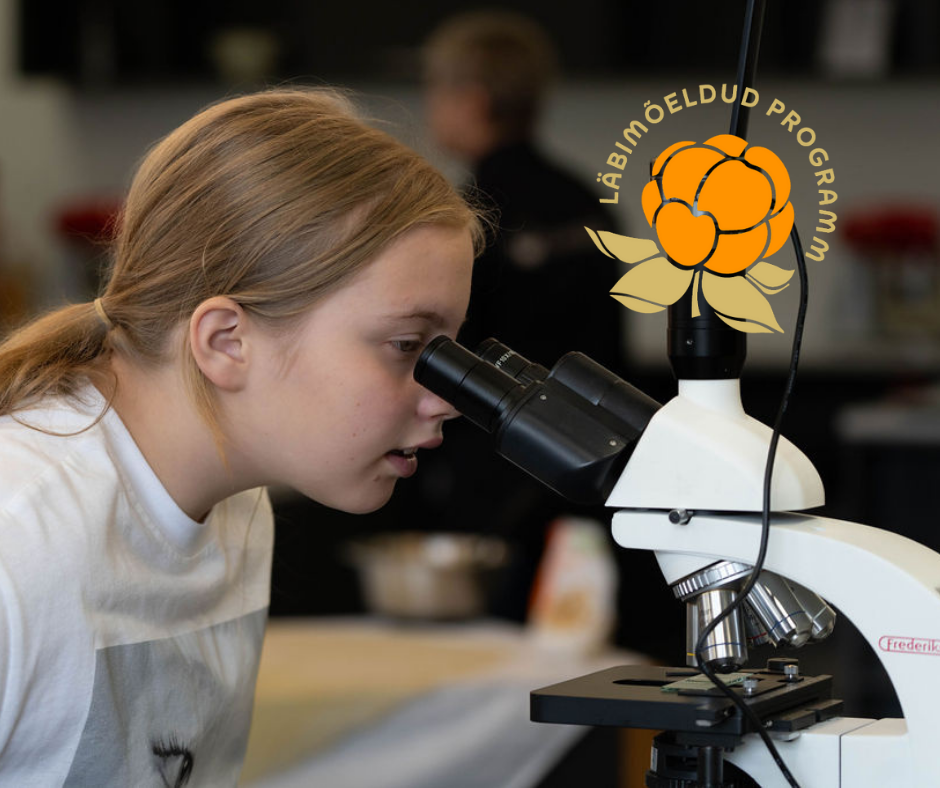
Science Kitchen hosted an international BIP course titled “STEAMing Food Against Wicked Environmental Problems.” The programme brought together future home economics teachers from Finland, Sweden, Norway, and Malta to explore how STEAM education and food-based learning can be used to address environmental issues. Throughout the week, students combined theory with hands-on work in the Science Kitchen, including experiments with e.g., gelling agents, energy use in cooking. The course also featured market-based assignments, outdoor learning in a bog, and collaborative development of STEAM-integrated lesson ideas. The intensive programme offered a rich and practical learning experience that highlighted the power of interdisciplinary and food-based approaches in environmental education.
Science Kitchen Workshop Explored STEAM Through Cheese-Making (22nd of October)
At the Art Education Ideas Conference KUHI 2025, the Science Kitchen led a hands-on workshop where participants explored STEAM principles through the making of sõir, a traditional Estonian fresh cheese. Art, craft, and home economics teachers engaged their senses while creating their own uniquely seasoned and shaped versions. Throughout the workshop, the cheese-making process was analyzed through a STEAM lens, highlighting how food can be used as a learning tool that connects creativity, science, and technology. The activity sparked curiosity and inspiration, demonstrating how cross-disciplinary learning can be both meaningful and enjoyable. The workshop was developed by the interdisciplinary team of SHAREE.
European Curriculum Mapping Highlights Growing Importance of Home Economics (31st of September 2025)
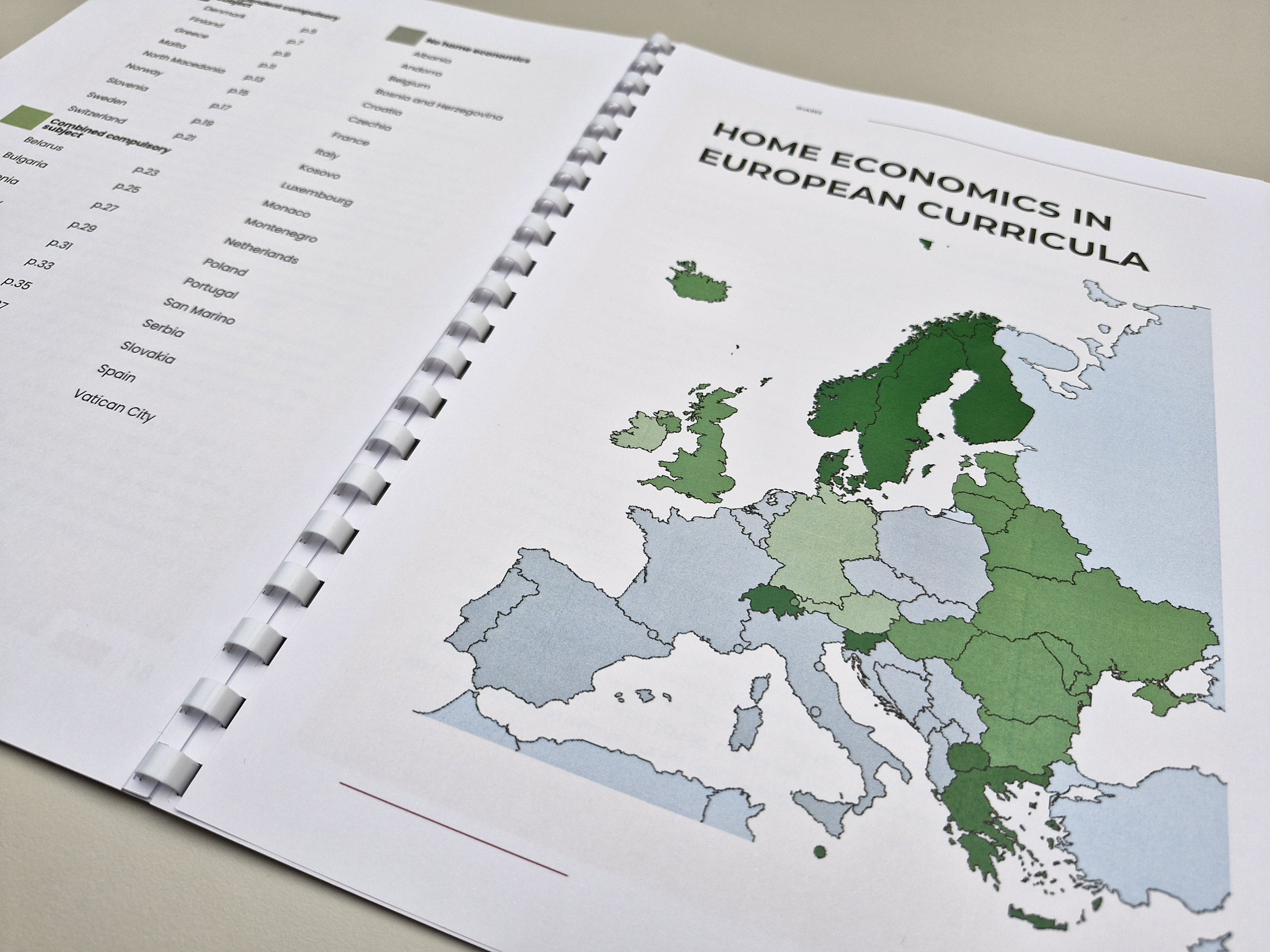
A new European-level curriculum mapping study on home economics has been published, marking a key milestone in the SHAREE project. Conducted during spring and summer 2025, the study analyzed home economics education across 44 countries in Europe. The study shows that home economics takes many forms across Europe. In 24 countries, it is included in public education in some way—either as a standalone subject, part of a broader subject, or as an optional subject, depending on the school type. Despite differences in structure and scope, European curricula share common themes. Food, nutrition, practical cooking, consumer skills, textiles, and household management are the topics widely included in the curricula. The study highlights a growing role for home economics in addressing sustainability, well-being, and responsible consumption, with digital and technological competencies expected to become increasingly integrated.
Science Kitchen Brings Food Science to Life at Researchers’ Night Festival (26th of September 2025)
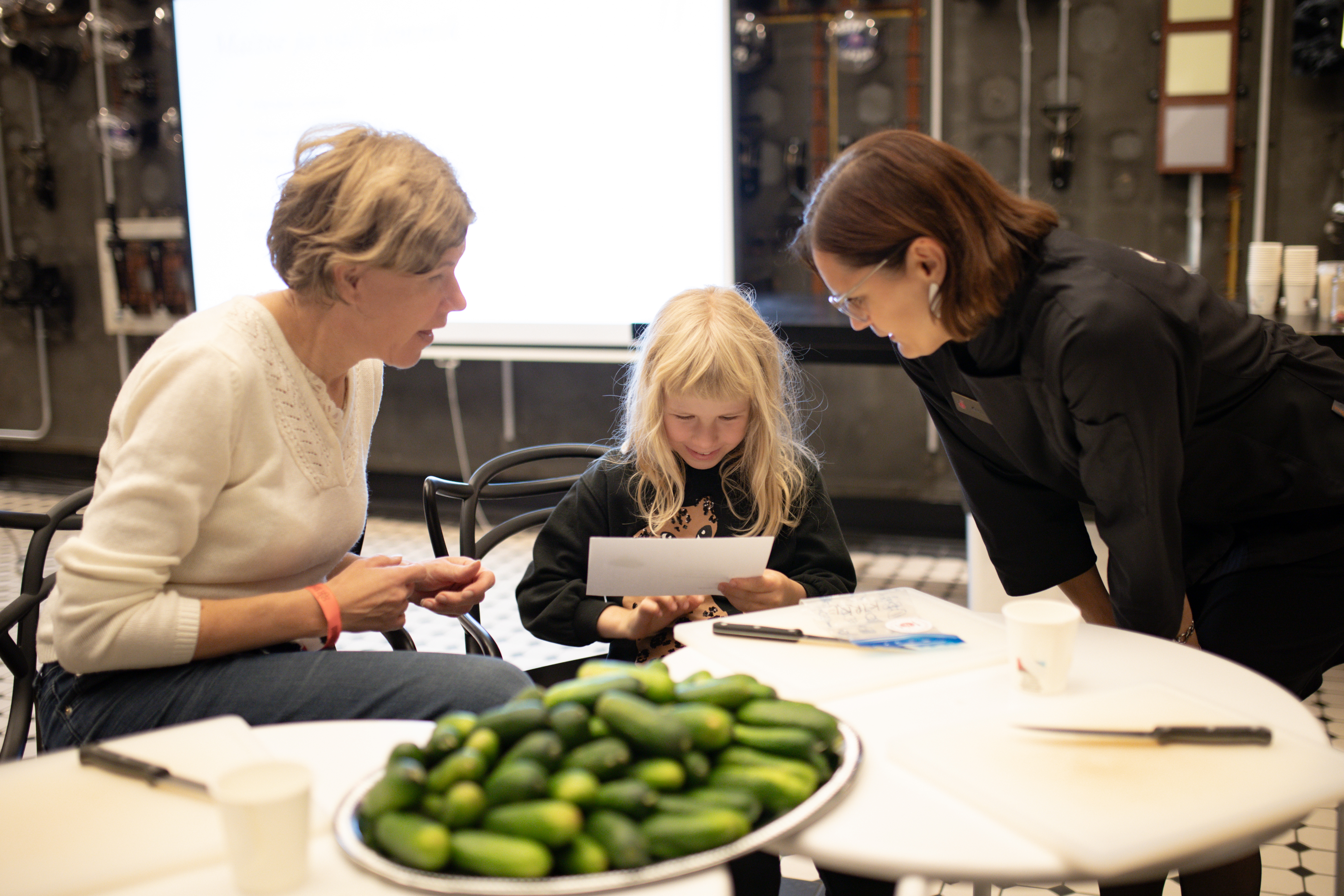
Science Kitchen contributed to the Estonian Researchers’ Night Festival by hosting a hands-on workshop titled “The Secret World of Preserving” at the Energia Discovery Centre. Children and their parents had the opportunity to explore the science behind everyday foods, such as pickles and sauerkraut, guided by the Science Kitchen team. The workshop focused on the microbiology involved in food preservation, highlighting the role of beneficial microorganisms, especially lactic acid bacteria. Participants were able to experiment and gain a firsthand understanding of how humans have harnessed bacteria to preserve food. The activities also emphasized the importance of fermented foods in our diets and offered a fun, educational experience connecting science and everyday life.
Science Kitchen Showcases STEAM Initiatives at International Science Education Conference (12th-13th of September 2025)
Science Kitchen participated in the 6th International Conference on Science and STEM Education in Estonia, connecting with teachers, school leaders, university staff, students, and future educators involved in promoting science education. The conference provided a platform to discuss current trends in science teaching and exchange experiences with colleagues from across the field. The event offered an excellent opportunity to present Science Kitchen’s activities and project outcomes while building valuable connections with schools and educators interested in innovative approaches to STE(A)M and interdisciplinary learning.
STEAM Training Programme for Teachers Kicks Off with Strong Engagement (10th of September 2025)
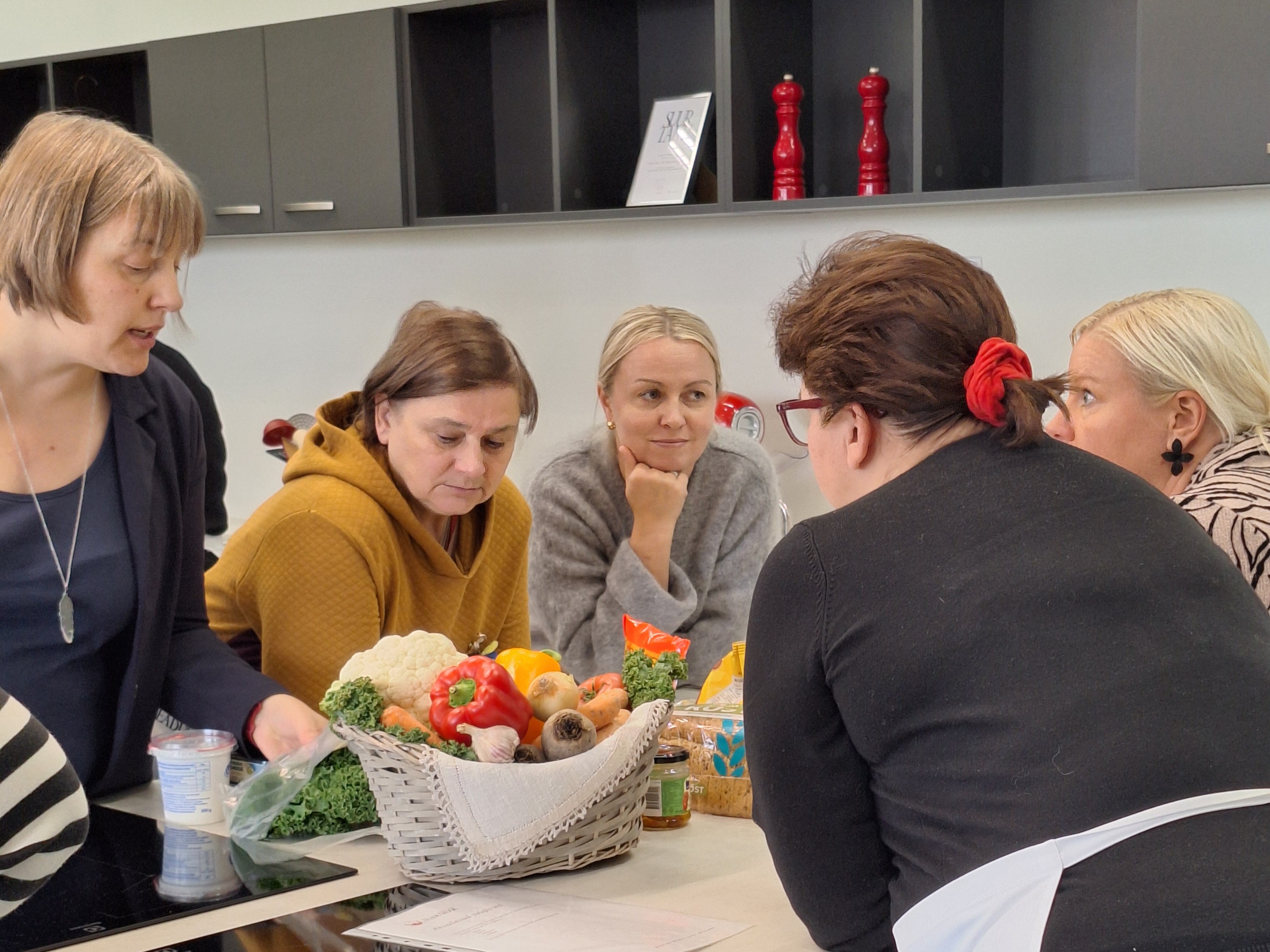
A new five-day STEAM training course „Integrating STEAM Fields and Home Economics in Practical Learning“ for teachers has officially begun, bringing together 18 enthusiastic participants who, after the first meeting, are eager to see what the next sessions will offer. The course focuses on integrating science, technology, engineering, arts, mathematics and home economics into practical, real-life learning experiences. The programme supports the implementation of the renewed national curriculum and strengthens teachers’ professional development.
Throughout the training, participants explore how everyday cooking and household processes can be used to teach scientific thinking, experimentation, visualization, problem-solving and creative expression. Through hands-on activities, group work and reflection, they learn to design interdisciplinary tasks that help students build systematic knowledge and develop key competences. As the course continues over five full learning days, teachers will delve into topics such as food-related physical and chemical processes, cleaning technologies, sustainable development, sensory analysis and digital presentation tools. The training aims to equip educators with both practical examples and a deeper understanding of how STEAM principles can enrich learning across subjects.
Spring 2025
Modern Craft Learning Spotlighted at Rakvere Craft and Technology Centre (30th of May 2025)
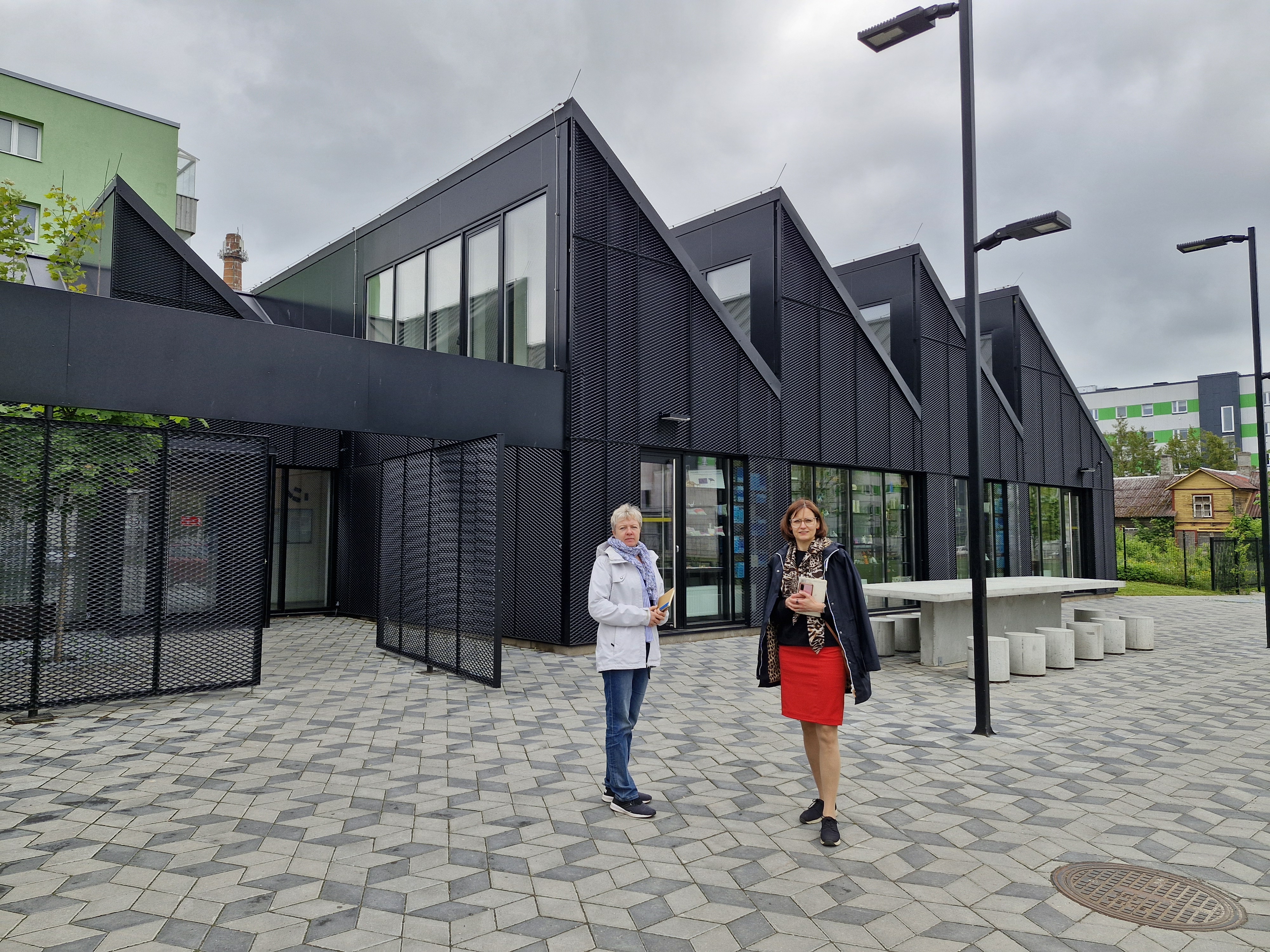
The Rakvere Craft and Technology Centre, opened in 2022, has quickly become a model for modern, hands-on learning in Estonia. Conveniently located for all local basic schools, the center offers state-of-the-art facilities for metal and woodworking, textile studies, home economics, and robotics, creating an inclusive, high-quality learning environment for students and teachers alike. SHAREE team praised the center's smart blend of art, architecture, and engineering, noting features like its thoughtfully designed roof and functional craft rooms.
The outdoor work area was highlighted as an especially clever solution, with plans to expand it further through a greenhouse project. The building itself, still new and visually striking, was seen as a motivating space for learners. We also appreciated the inspiring illuminated exhibition facing the street, which draws attention from outside and sparks curiosity among students, an idea that Science Kitchen also aims to adapt through flexible pop-up exhibition spaces. The insights gained from this visit will support Science Kitchen’s ongoing development, as the center serves as a valuable example of how well-designed environments can enhance practical learning.
Inspiring STEM Education at the Energy Discovery Centre (28th of May 2025)
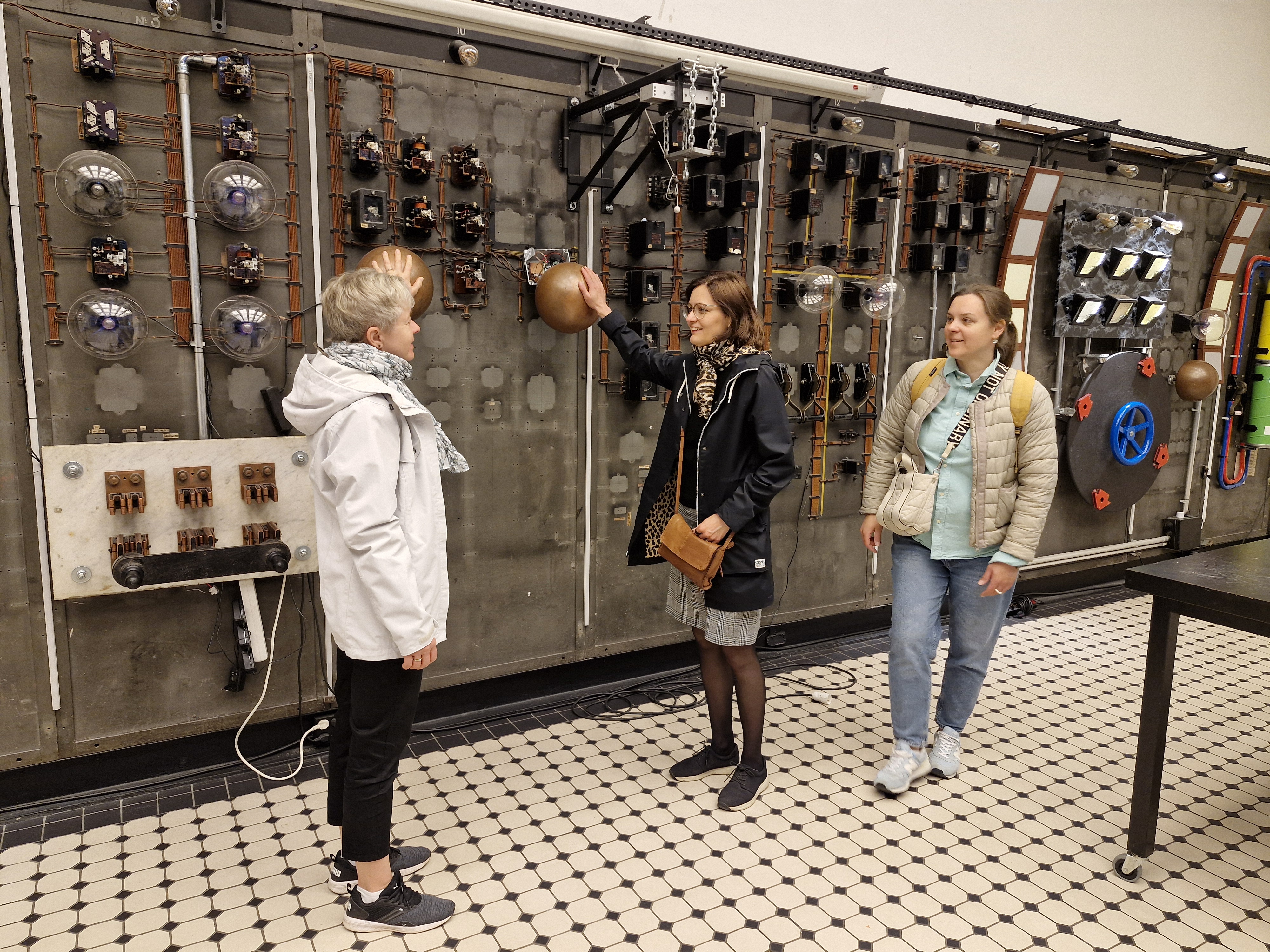
Tallinn’s Energy Discovery Centre stands out as a vibrant place for hands-on science learning, offering more than 100 interactive exhibits and workshops in its unique historic setting. Visiting participants highlighted the center's strong focus on independent discovery, praising how well the activities connect to school curricula and support teachers with high-quality, clearly written learning materials. They also noted the smart use of space, where the atmosphere of the old power plant helps explain electricity in an engaging, memorable way. The center's recognized “Murakamärk” quality label further strengthens its position as a trusted learning environment. Science Kitchen takes these insights into account in its own development and sees the Energy Discovery Centre as a promising partner for future collaboration.
New STEAM-Focused Workshop on Food Fats Successfully Piloted (23rd of May 2025 )
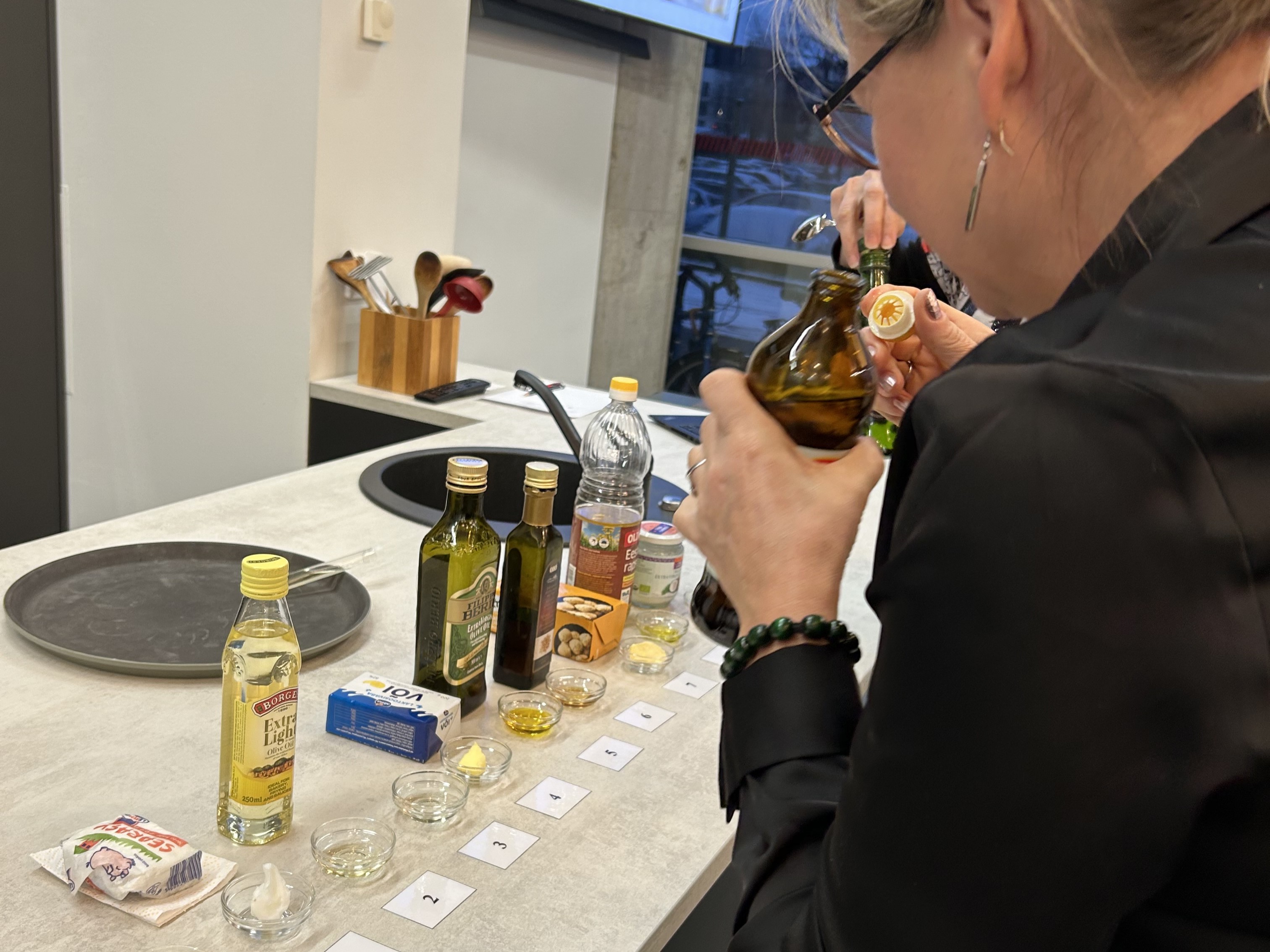
Today, we piloted a new interdisciplinary workshop, “The Properties and Culinary Uses of Different Fats,” created to help teachers recognize STEAM opportunities in everyday food preparation. During the session, participants explored different food fats, their origins, compositions, and roles in cooking. Hands-on experiments, such as comparing solid and liquid fats or testing why chilled cream whips better, helped teachers understand key physical and chemical properties. The experience provided teachers with new ideas for linking cooking processes to broader learning objectives in lower and upper secondary school, helping them integrate STEAM thinking into everyday practice. The successful pilot marks an important step in SHAREE toward refining the workshop for wider use. Future sessions will continue to support teachers in discovering cross-disciplinary opportunities hidden in the kitchen.
Exploring Innovation in Environmental and Science Education in Tartu (14th of May 2025)
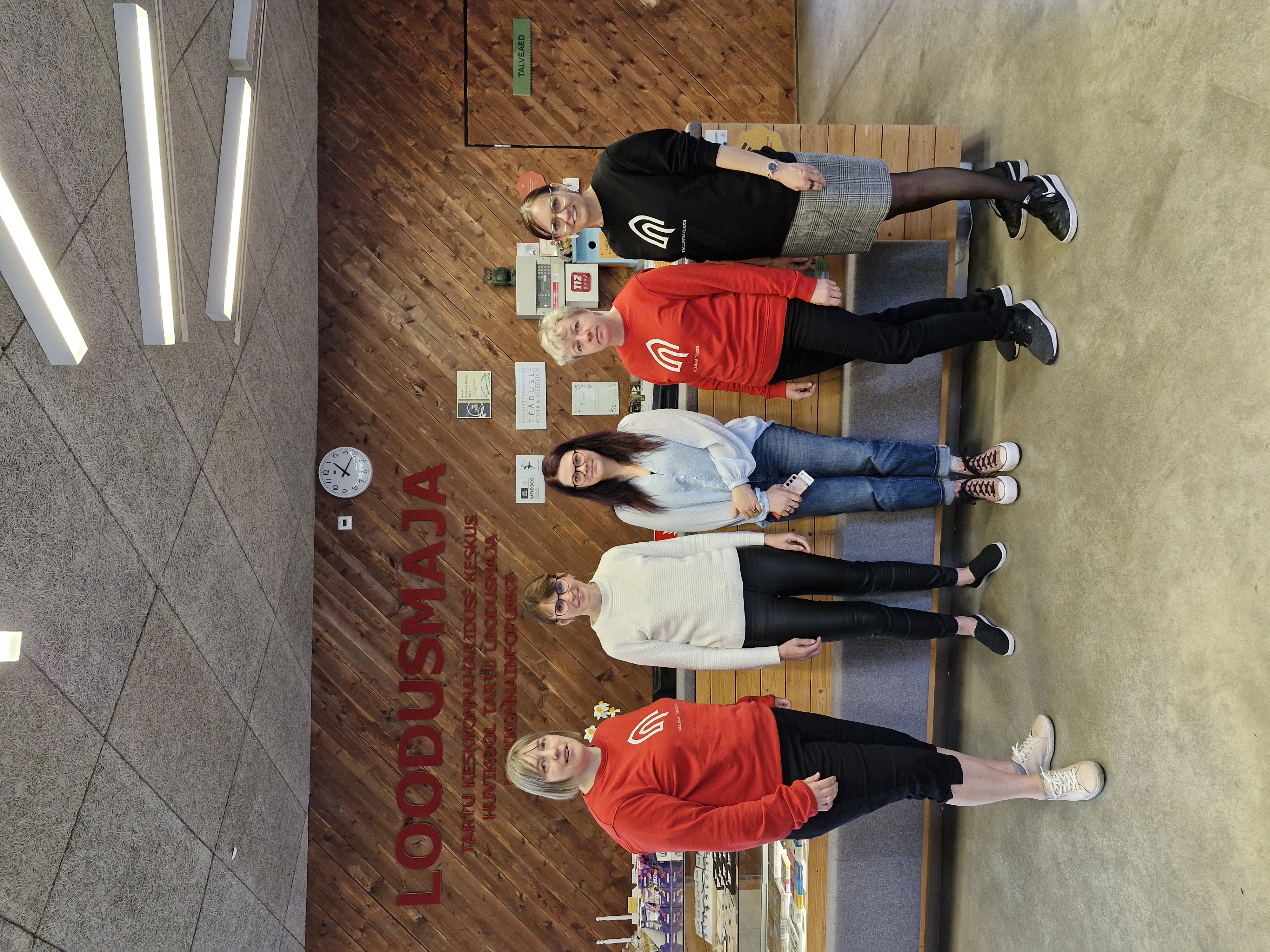
A SHAREE delegation visited Tartu Nature House and the University of Tartu Investigation Lab to explore their approaches in environmental and science education. Tartu Nature House, a green oasis in the city, offers environmental programs, hobby activities, and events for students, teachers, and families. Its sustainably built facilities also host conferences and events, with rental income supporting children’s nature-related educational activities. The University of Tartu Investigation Lab provides hands-on experimental programs for primary and secondary students, integrating physics, chemistry, biology, and mathematics. Nearly 4,000 students from 80 schools have participated, developing lab skills and problem-solving abilities under the guidance of university undergraduates. In 2017, it was nationally recognized as the Best New Initiative in science popularization in Estonia.
During the visit, we identified several valuable lessons. Such as workstations could be enhanced with digital tools (computers or tablets) to facilitate data entry and documentation during experiments. Clear management roles, including a dedicated project manager, are essential for leading project development and writing grant applications. Organizing activities into monthly thematic cycles can keep programs engaging and structured. Schools could benefit from programs that are difficult to conduct in a typical classroom, such as hands-on experiments or creative projects. Fun and memorable takeaways, like plant growth projects, traveling exhibits, or branded participant photos, can enhance student engagement and provide lasting educational value.
SHAREE Members Gained New Insights from Visit to ATU Sligo (28th-30th of April)
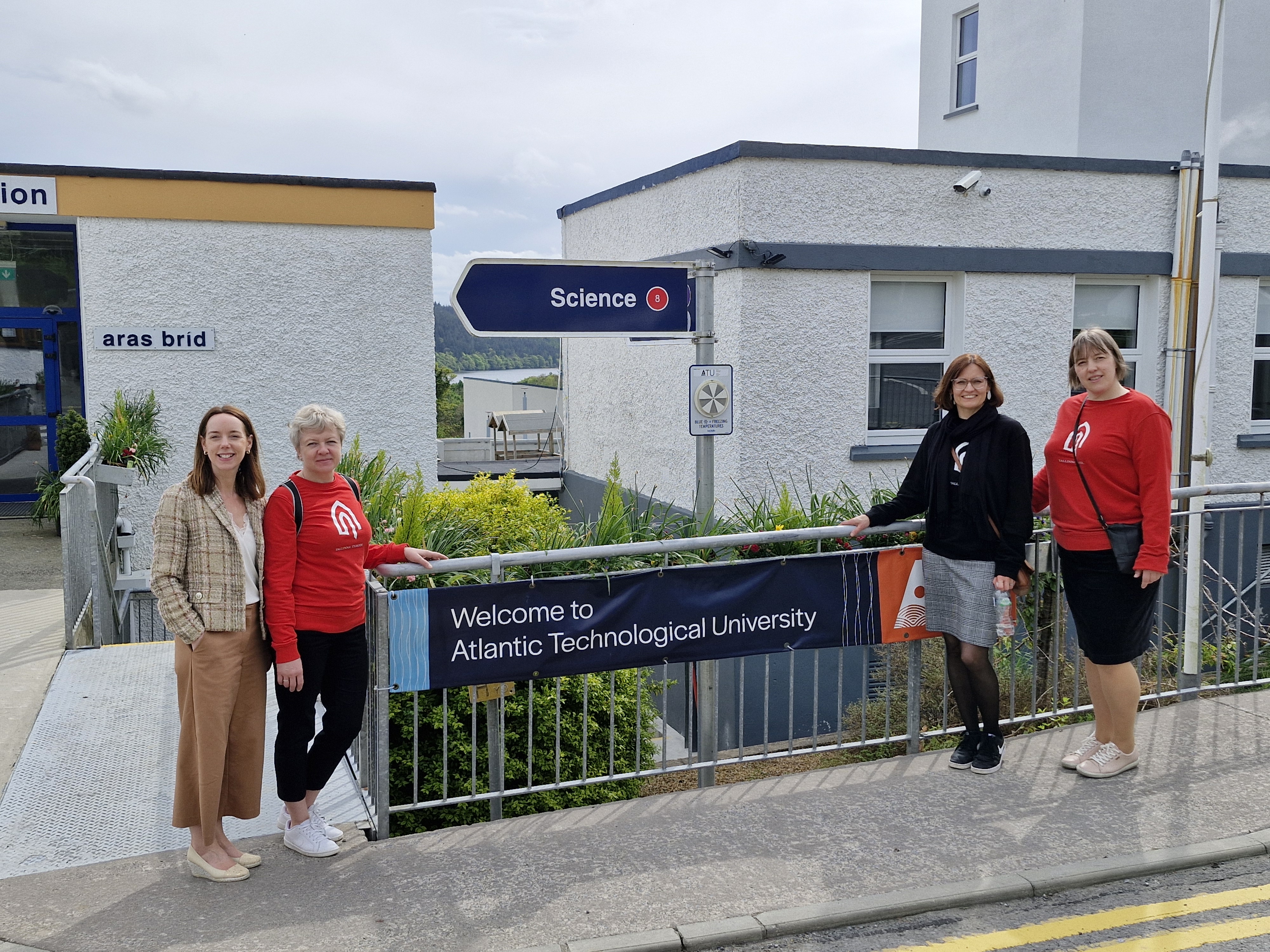
The Science Kitchen team visited the National Centre of Excellence for Home Economics at Atlantic Technological University, Sligo, Ireland, gaining valuable insights for both the SHAREE project and future developments at Science Kitchen. During the visit, we explored home economics facilities, observed practical exams, learned about doctoral research, and discussed work organization with the ATU team. Key takeaways included the importance of strong administrative support, clear division of roles, and regular team-building to strengthen cooperation. We also drew inspiration from ATU’s well-structured in-service teacher curriculum, their research focus on wellbeing, and their strong and consistent visual identity. Latter is a useful model for future Science Kitchen materials and dissemination. Overall, the visit provided fresh perspectives and concrete ideas that will support the ongoing work of the SHAREE project and the future development of the Science Kitchen.
KRINGEL Competition Brought Science into the Kitchen (23rd of April 2025)
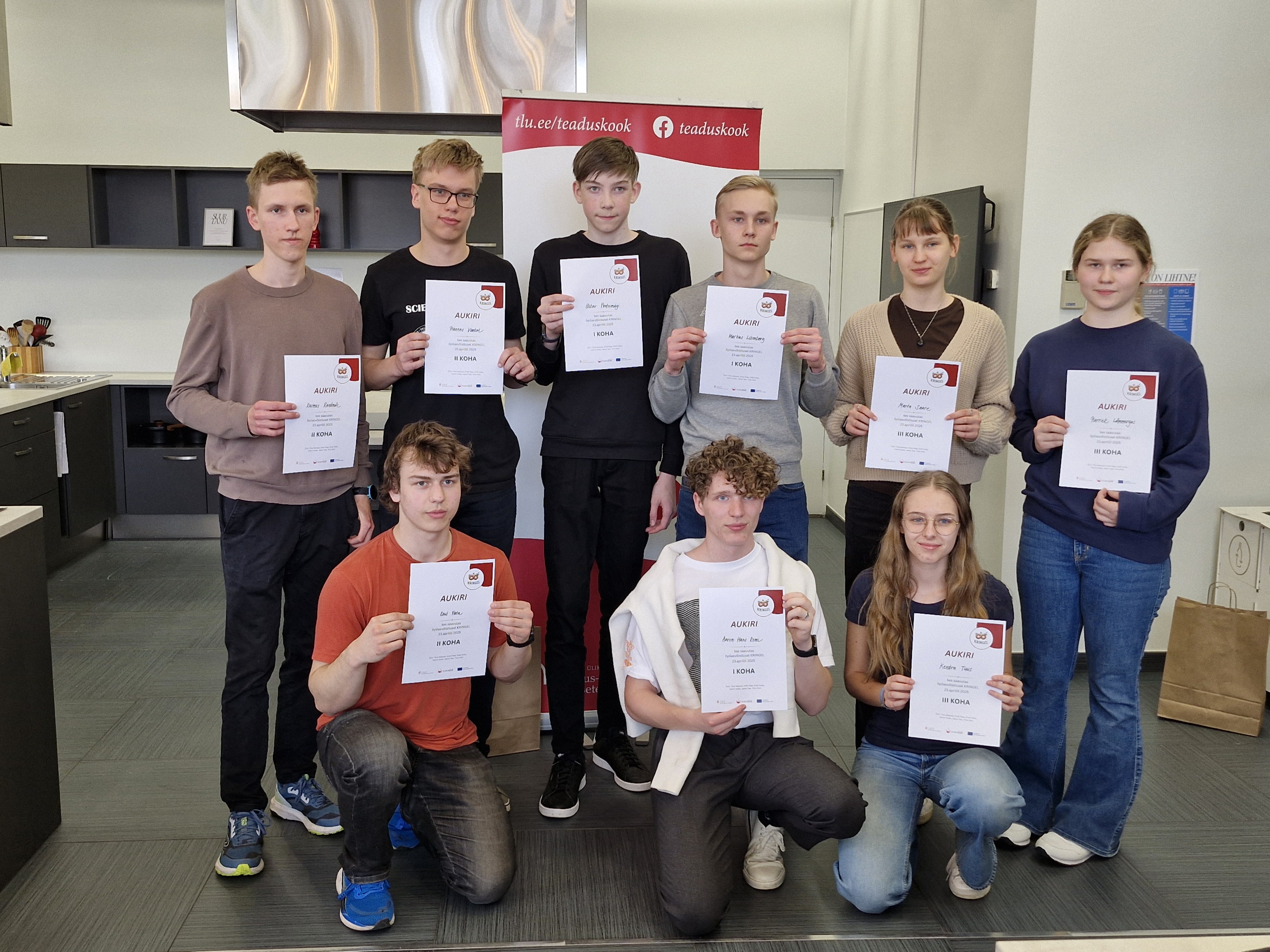
On this day, we launched the nationwide KRINGEL competition final for upper secondary students, challenging participants to apply science knowledge through creative, food-based tasks. The aim was to show how everyday kitchen processes rely on scientific principles and to encourage learners to connect ideas across subjects. After the online preliminary round in November, the top 12 teams were invited to the finals. The full-day event featured theory challenges and hands-on activities built around a single theme, the egg. Participants explored the egg through physics, chemistry, and geography, and explained the processes in food preparation. Ultimately, students described the experience as engaging and challenging, noting that the practical tasks helped them grasp scientific concepts in a new and meaningful way.
STEAM Researchers and Georgian Startup Representatives Visited the Science Kitchen (10th of April 2025)
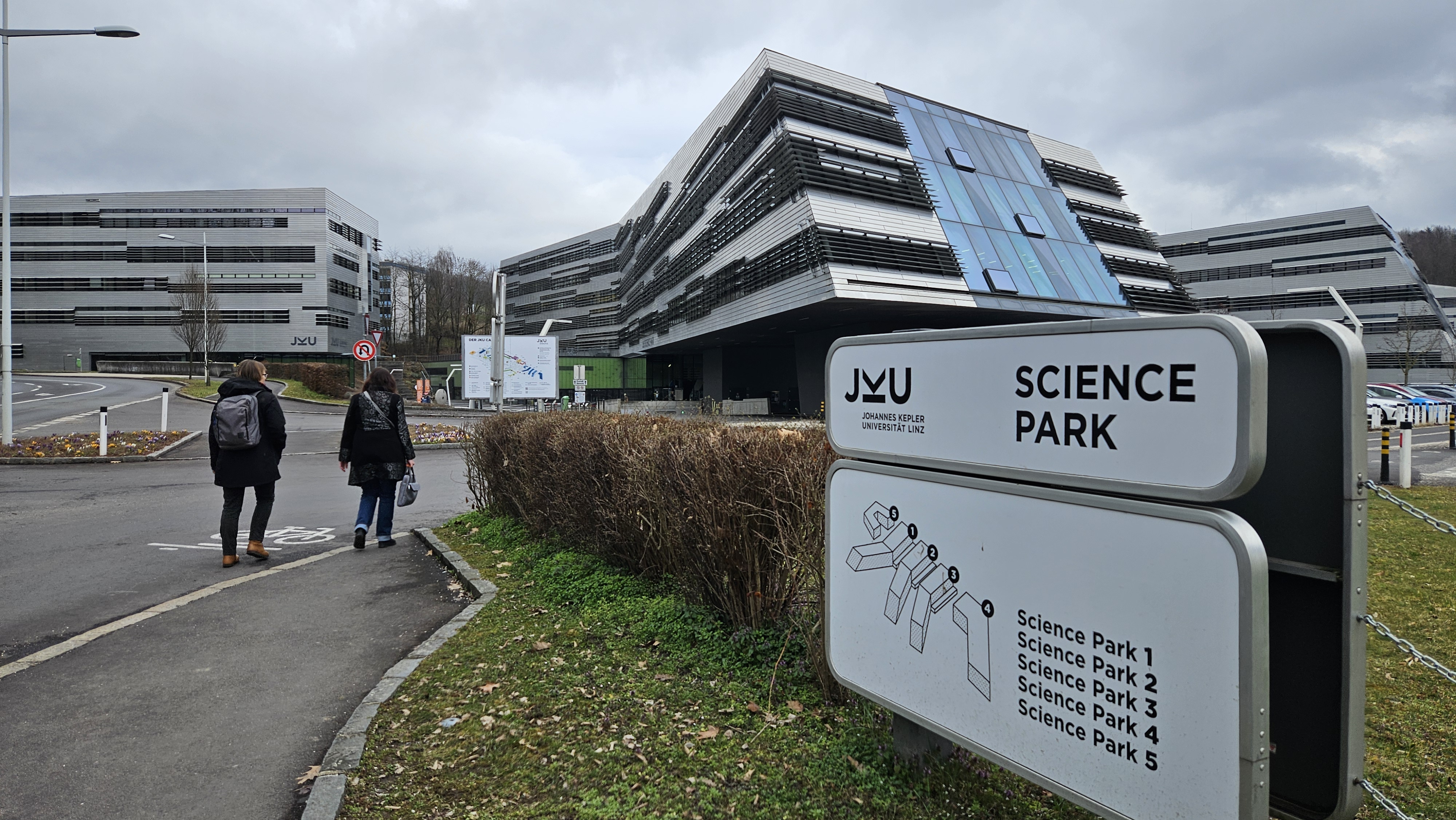
The Science Kitchen team welcomed STEAM-field researchers, trainers, and representatives of the Georgian startup STEAMit, Medea Abramishvili and Mamuka Apakidze. The high quality of Estonian education and our strong practices sparked their interest in joining Tallinn University's micro-degree programme to learn more about Estonia’s experience and best practices. Our guests were also keen to hear about the SHAREE project. We introduced our vision of STEAM education and demonstrated how we implement cross-disciplinary learning in the Science Kitchen. The visit offered the guests new ideas on how food can be used as a tool in scientific experiments, as well as ways to encourage a sustainable mindset.
Finding Art in STEAM in Austria (13–14th of March 2025)
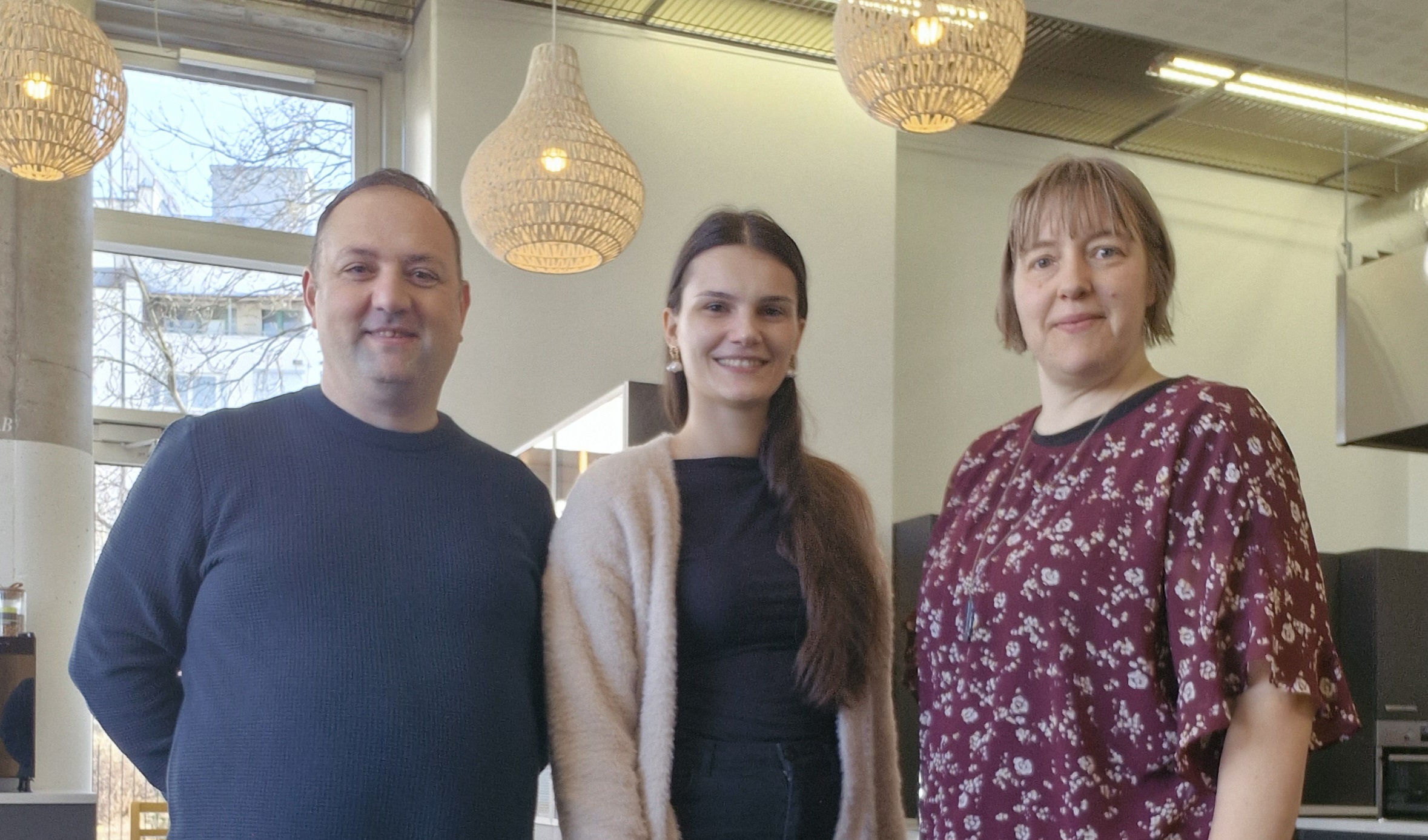
Jane Remm and Helen Arov from Tallinn University visited Johannes Kepler University (JKU) Linz on March 13-14, 2025, to explore advancements in STEAM education and research in Austria. They toured JKU’s STEAM labs, attended a PhD seminar, and examined 3D printing and GeoGebra applications in education.
In Austria, STEM pedagogy is referred to as MINT, with the integration of arts called MINT+K (Kunst). Discussions highlighted the broad interpretation of art, which includes visual arts and culture. The STEAM approach at JKU, led by Prof. Zsolt Lavicza, is growing, and the PhD program is notably international. Hands-on methods were explored with researcher Eva Ulbrich, revealing that while 3D printing is a promising educational tool, successful implementation requires careful planning and encouragement. We also discovered GeoGebra, a powerful mathematics education tool developed by JKU researchers.
A key discussion point was the role of the arts in STEAM education. While often viewed as tools for creativity, the arts can also be foundational to STEAM learning. Expanding this role is a focus for Tallinn University and the SHAREE project. Art serves multiple purposes beyond self-expression, including communication and community building. Understanding these roles is vital for effective STEAM education.
Overall, the visit provided valuable insights and underscored the need for interdisciplinary and international collaboration to advance STEAM education.
Irish Partners in Tallinn (3rd–4th of March 2025)
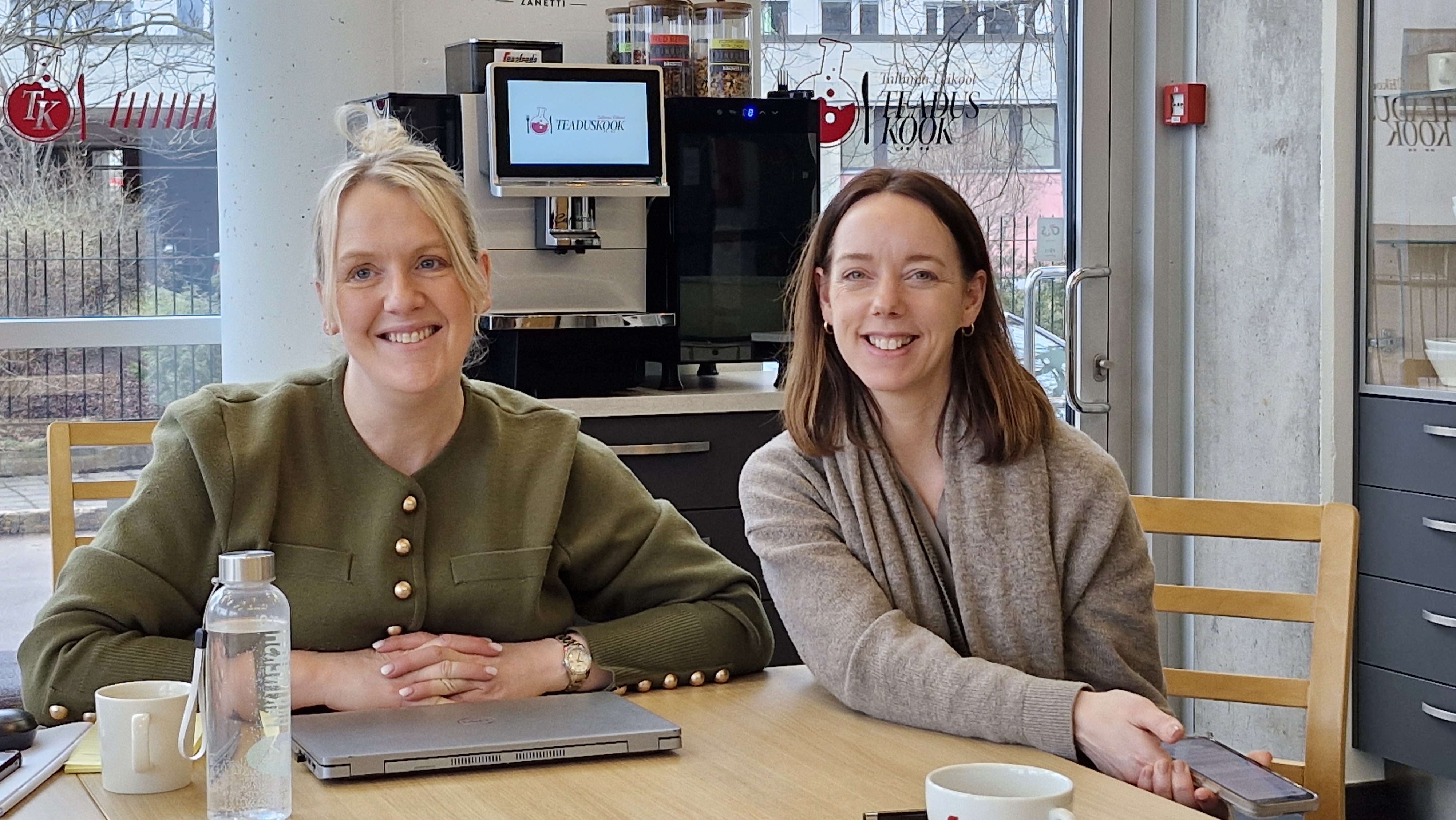
March began with a fruitful collaboration opportunity as we hosted our Irish partners once again at the Science Kitchen. This time, Amanda McCloat and Helen Maguire joined to give a boost to the activities of the Science Kitchen. Through joint discussions, the concept of the Science Kitchen was enriched both in its core principles and ideas for new actions.
Exchanging experiences in Malta (25th–28th of February 2025)
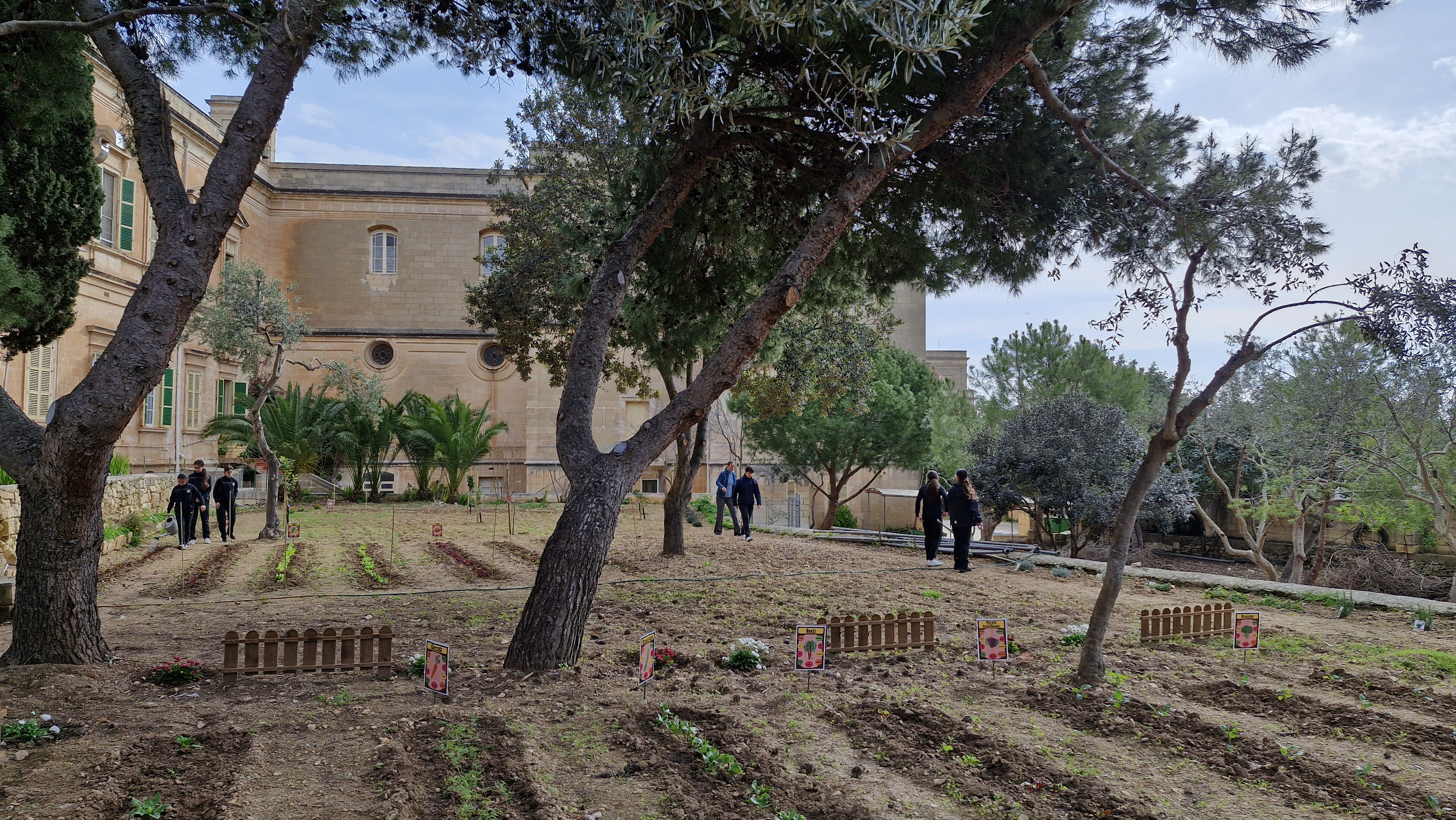
The study visit to Malta provided valuable insights into the integration of home economics, sustainability, and STEM education in schools. We visited three different schools: Sacred Heart Girls’ Secondary School, Immaculate Conception Secondary School, and Dingli Primary School. Gardening and sustainability projects were key elements, with students actively involved in hands-on activities that connected food, nature, and scientific thinking. However, these initiatives were often voluntary and not always aligned with the formal curriculum, suggesting room for greater integration. The success of EcoSkola project-based activities highlighted the importance of community involvement. In addition, we had a chance to observe the lesson at The Home Economics Seminar Center and get an overview of how their activities are coordinated. The Center demonstrated effective management, with clear roles and an efficient online booking system for school visits. The learning programs offered for school groups allowed us to draw connections with Science Kitchen activities. Therefore it was very valuable to exchange practices. The visit underscored the importance of marketing and promoting such activities to raise awareness and foster participation. At the University of Malta we had a good opportunity to introduce Science Kitchen and our projects to students and academic staff.
Visit to the University of Helsinki (20th of January 2025)
The SHAREE team visited the University of Helsinki to learn from their best practices. The first site of the visit was the home economics learning environment and research group "Food, Culture and Learning" at the Institute of Education (our partners in SHAREE). The research group, which is part of the Maker@STEM community focuses on didactical issues related to the teaching and learning of home economics in different cultural contexts and at different school levels (from primary school to higher education). They are interested in formal teaching and learning contexts, for example in the classroom, but also at home or in NGOs. Impressive are the newly built modern learning spaces (for practicums) in the field of home economics and crafts. These facilities support various forms of cooperation.
Secondly, in the Faculty of Science, we visited ChemistryLab Gadolin, the oldest research center in the Finnish LUMA network and the only one of its kind focusing on providing and popularising chemistry education. Collaborations are also carried out with other labs including Geopiste, Computer Science Class Linkki, Math Lab Summamutikka, Foton Student Laboratory. The truth that love goes through the stomach was once again confirmed! One of the most popular workshops for school children to understand chemistry is ice cream making. So also we made ice cream together. But we started with the links between ice cream making and sustainability; ice cream and climate change; and the carbon footprint of ice cream (e.g. choice between animal vs. plant-based milk). As a result, everyone got a better understanding of the life cycle of ice cream as well as the structure of the science practicum.
One of Gadolin's priorities is to attract and educate the next generation, encourage teachers, and involve young people in the labs. They value learning through experimentation and giving university students versatile practice opportunities. Therefore Master students are included as instructors for student groups. The Helsinki Upper Secondary School for Natural Sciences (HELLU) was established on the university campus recently to bring students even closer to the university. In 2024, Gadolin's activities involved 8,849 students and 3,305 secondary school pupils. 224 children participated in science clubs, 40 in science camps, and 380 science practicums were organized.
We came up with several ideas for Science Kitchen. For example, to cooperate more actively with science labs at Tallinn University, invite more university students to participate in the development of the Science Kitchen, and launch new event formats (e.g. summer camps) to involve students and teachers, as well as opening the Science Kitchen activities to a wider audience. The study visit was attended by: Jaana Taar, Kristi Paas, Tiina Vänt, Elyna Heinmäe, Katrin Männik, and Krinsli Pius.
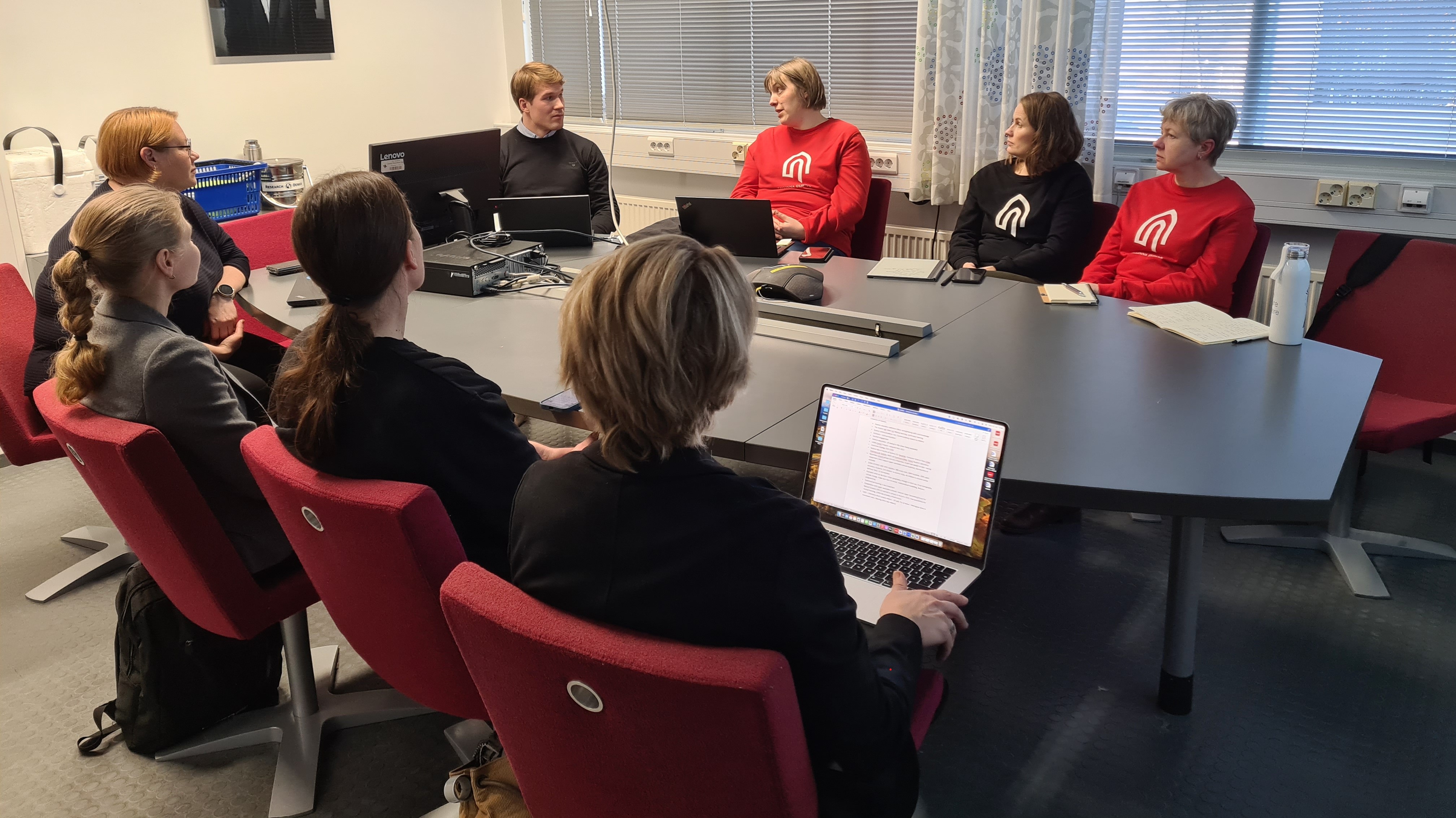
Visiting the Flavoria living lab at the University of Turku (13th of January 2025)
New Year started for SHAREE with a visit to the Flavoria Research Platform, a living laboratory coordinated by the Nutrition and Food Research Centre (NuFo) at the Faculty of Medicine. However, most of the university's faculties (both in terms of budget and researchers) contribute to Flavoria's activities, as well as various collaborative partners.
Flavoria is a multidisciplinary research platform and at the same time a unique lunch restaurant, café and snack shop. Adjacent to the lunch restaurant is the multidisciplinary research space called Aistikattila. There, a screen covering an entire wall can be used to create a rapidly changing environment, adding also voices to create a new situation. NuFo research focuses on human well-being and sustainable development, more specifically on food behaviour and multisensory perception, food choices and food waste. It is an intervention research where scientific data is collected on a daily basis form customers (then processed and applied), new products and services are tested in a cafeteria setting, and a multi-sensory environment is used both for research and learning activities. Collaboration is done with the whole university family, businesses, local government, Business Finland (the start-up and growth business ecosystem in Finland), etc.
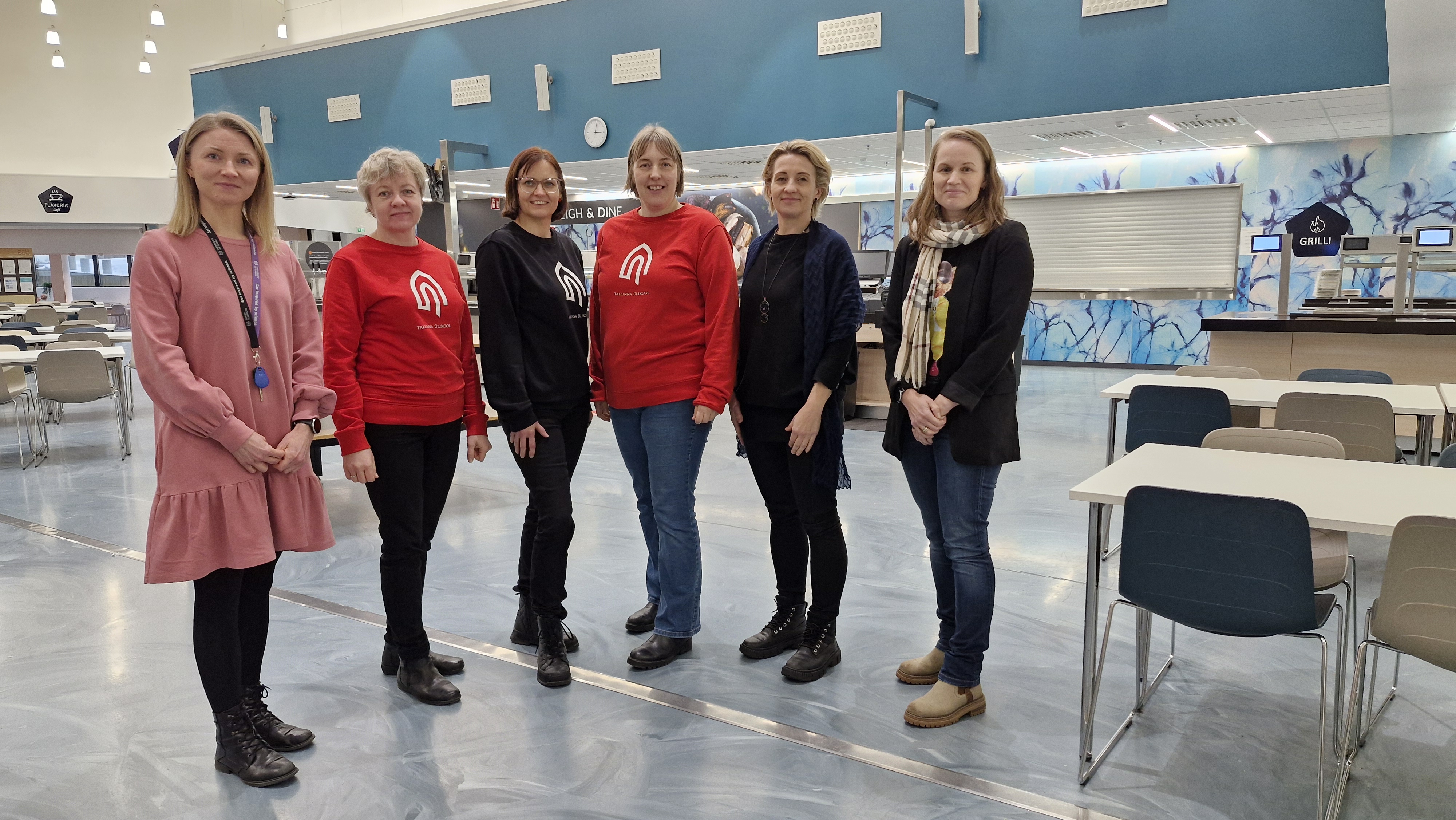
What did we learn? We had lunch in a university restaurant and gained a rich user experience. Our lunches, weighed by food components, were also added into the database. We got a lot inspiration from the discussions and the guided tour of the restaurant. For example, what models work well for working with the local community? The Science and Gastronomy Food Clubs are held by NuFo eight times a year as two-hour meetings in a hybrid format, in three cities (Turku, Helsinki and Seinäjoki) at the same time. There is always one topic on the table (e.g. rye, tomato), two presentations (about cultural history and natural science) are done, experiments done, followed by a sensory evaluation and a discussion on the results. One of the highlights of the year is the Flavoria Innovation Festival. Last year a five-day programme involved 60 students and 5 companies who presented innovation challenges to student teams. Similarly, Science Kitchen needs few recognizable activities every year that the local community, including the university, companies, city representatives and others look forward to and contribute actively. Research is at the heart of the Flavoria, therefore we foresee various collaboration opportunities with them in the future (e.g. in European projects). The study visit was attended by: Jaana Taar, Kristi Paas, Tiina Vänt, Elyna Heinmäe and Katrin Männik.
2024
FALL 2024
The pre-competition of KRINGEL has started (19th of November 2024)
The KRINGEL is a nationwide student competition for high school students. It takes students' knowledge into action. With KRINGEL, we want to show science in everyday life activities and guide students to integrate the knowledge and skills acquired in different subjects.
The KRINGEL student competition is based on the principles of STEAM-education, the core of which is cross-disciplinary integrated learning. STEAM classically combines natural sciences, technology, engineering, art and mathematics. As a practical, real-life related component, we also add the content of home economics to the KRINGEL student competition. We see that the field of home economics helps to place what is being learned in a real context and strongly supports the promotion of students' creativity, problem-solving skills and cooperation. These are cross-curricular skills that are valuable in their life, both in subsequent studies, in future careers and in independent life in general. Often, the challenge for students is to transfer the knowledge gained in the subjects to their daily activities. The STEAM approach tries to address what is being learned in a real and practical way so that knowledge and skills do not remain only within the walls of the school. Thus, in the context of the KRINGEL competition, we also highlight the processes that take place in the kitchen every day, which are often based on scientific principles and for which students need knowledge of science and mathematics in order to understand and make sense of them.
Focus Group Meetings with Key Stakeholders Have Begun (8th of November 2024)
As part of the SHAREE project, we have launched a series of focus group meetings with teachers, students, pupils, policymakers, and entrepreneurs. The aim of the meetings is to map their expectations for the Science Kitchen. The insights gathered from these discussions will be used to develop the Science Kitchen concept paper.
Project Kick-off meeting in Tallinn (16th-18th of September 2024)
We spent three meaningful days at Tallinn University to take time for getting to know the project members, for understanding the nuances of home economics education in the partner countries and, above all, to set common goals for the collaborative work ahead. SHAREE members are active communicators, so the participants had to be stopped from time to time and directed to stretch their legs. Although all the project members could not come to Tallinn due to the overloaded schedules, with the help of the OWL Pro webcam, it was still possible to get all the participants around a common table.
As typical to kick-off meetings, there were a number of organizational topics on the agenda, but we also managed to start with a fruitful discussion on the analysis of the study content of the home economics subject in European countries. At first, it seems that there are more questions than answers and the plans become more blurred than clearer. Although, technical solutions were also helpful here. Discussions and group work took a clearer shape thanks to the Flinga environment, which again made it possible to engage participants in the room and in Zoom.
In accordance with the content of the project, we also introduced the nature, possibilities and technical solutions of the Science Kitchen to the foreign partners. Although the physical environment was approved as attractive and cozy, we all understand that the developmental work with the concept and content is indispensable. So the results of the SHAREE project are needed sooner rather than later.
SPRING 2024
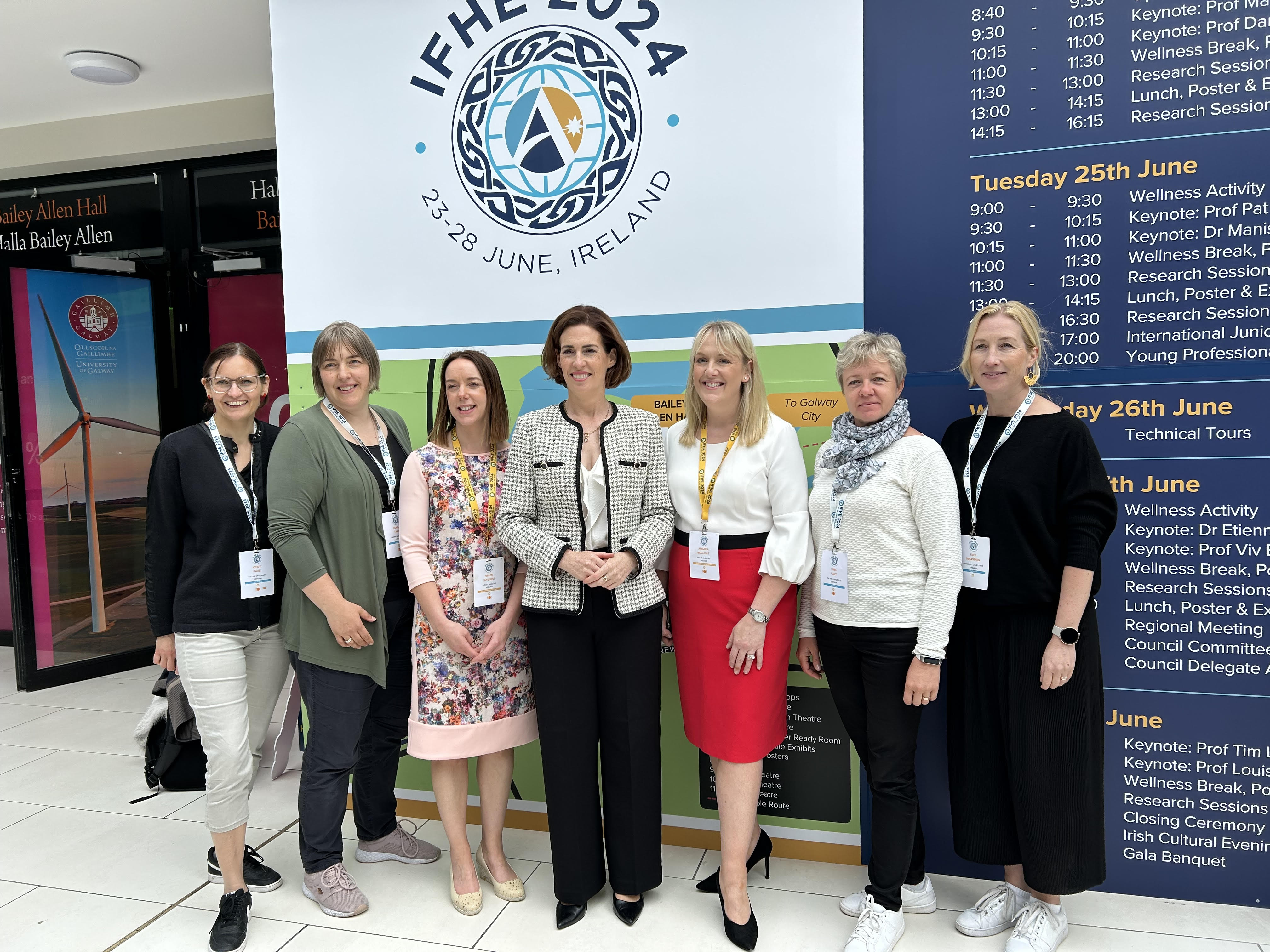
Presenting the project at the IFHE international conference (23rd-28th of June 2024)
Representatives of the SHAREE project team attended the International Federation of Home Economics (IFHE) World Conference in Galway, Ireland. The theme of the 25th anniversary conference was "Home Economics in a Time of Transformation: Bridging the Past - Charting the Future" The presentation of the SHAREE project fit well with the theme of the conference, leading the audience to think about the connections between STEAM practices and home economics education. The feedback for the presentation was positive, leading to additional questions and discussion. In addition, while listening to other presentations, we got to know several key persons in the context of the SHAREE project. The established contacts help us to expand the SHAREE cluster and provide an opportunity to ask for additional clarifications when analyzing home economics education in European countries.