DIGHT-Net Seminar "Frontiers in Digital Cultural Heritage: Research and Teaching Methods"
From 15-17 April, the University of Amsterdam, the University Turku, and the University of Bologna organized a three-day workshop at Tallinn University in the context of the DIGHT-Net project.
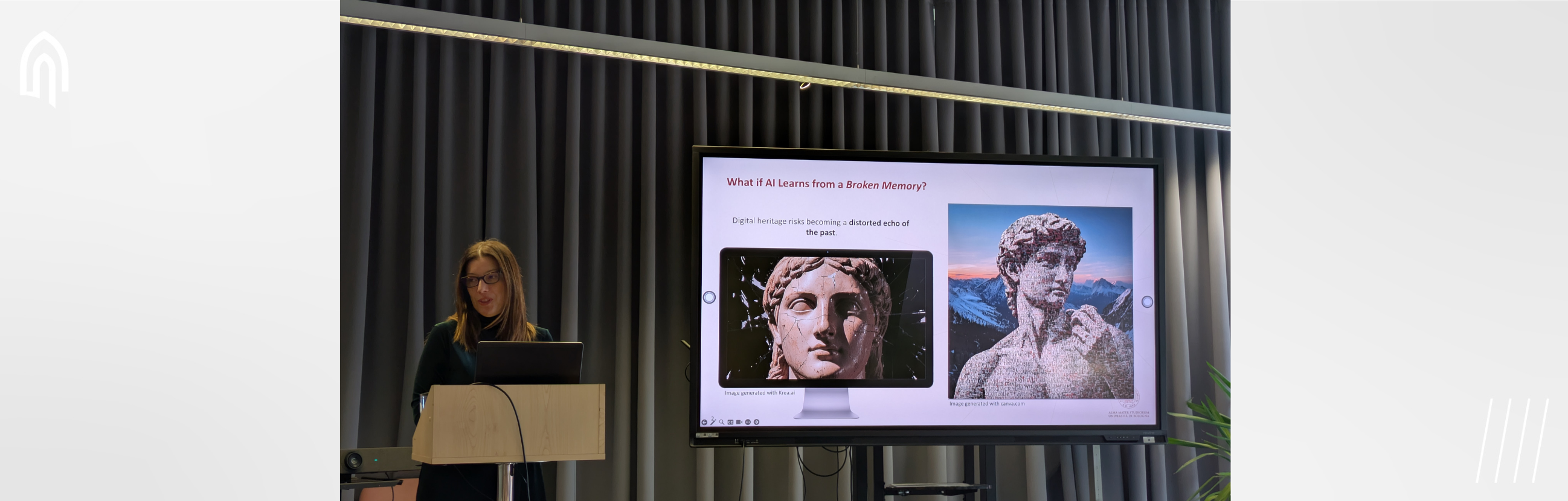
This project, funded by the European Commission, aims to advance digital cultural heritage (DCH) studies at Tallinn University. During the workshop, scholars from different disciplinary backgrounds presented their projects at the intersection of two interconnected and vital strands of digital cultural heritage studies: research and teaching. They presented case studies from research projects, highlighting emerging methodologies and analytical approaches. Moreover, they examined innovative teaching tools, formats, and pedagogical practices, thereby addressing how digital methods reshape education and teaching practices. By presenting an entangled view of research and teaching, conversations were sparked across disciplinary boundaries.
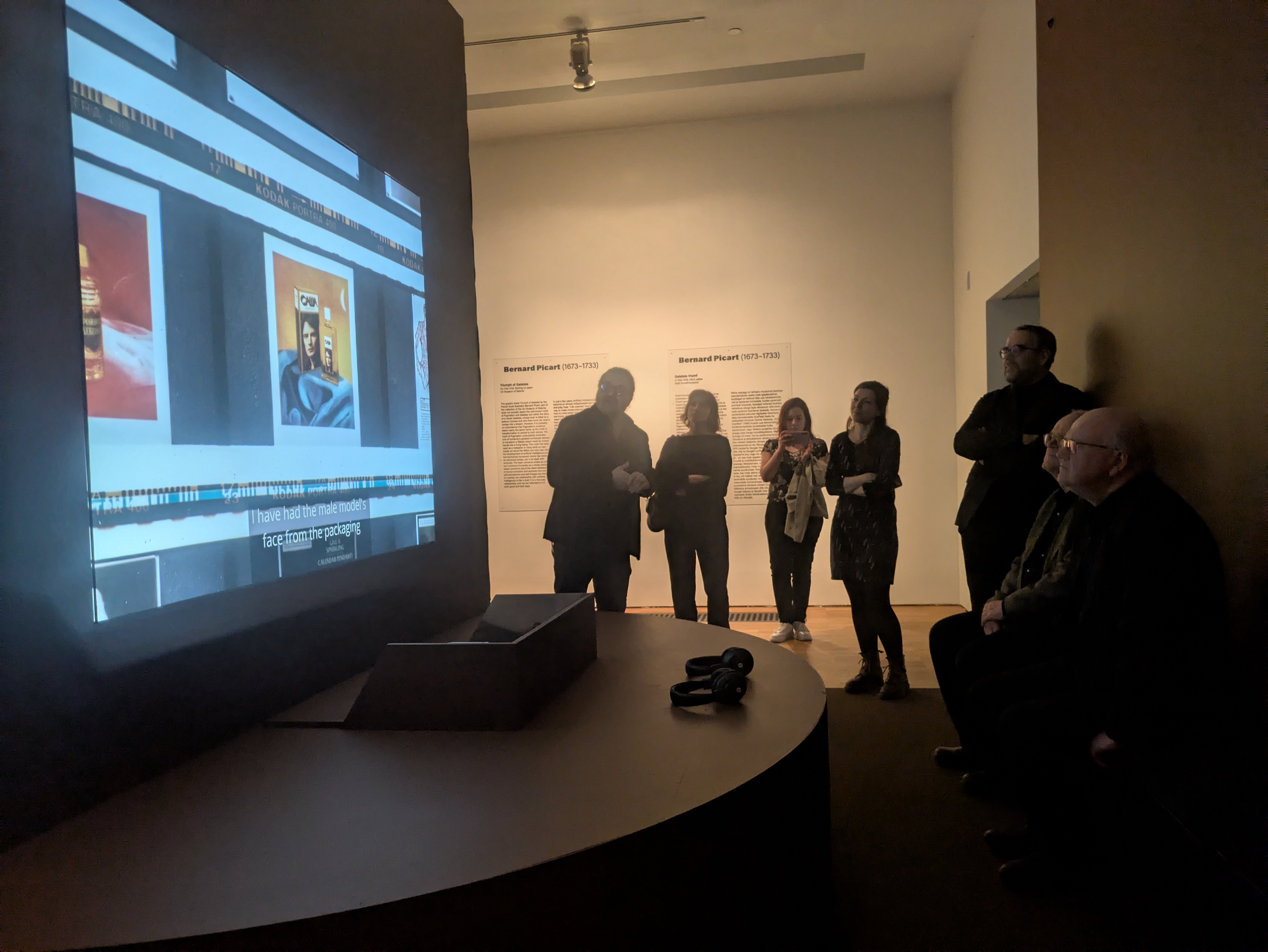
On the first day, Dr. Emily Clark, Dr. Maral Mohsenin and Marie-Joy van der Deure discussed the digital lives of sonic and audiovisual collections, addressing how digitisation may both constitute continuities or radical breaks with established practices of knowledge production, preservation, and dissemination. The day was closed with a guided visit to the KUMU exhibition “The Triumph of Galatea: Art in the Age of Artificial Intelligence,” facilitating insights on the relationship between artistic practice, digital cultural heritage, and AI.
The second day focussed on the infrastructures of DCH. At this transformative moment of teaching and research in this field, there is a growing awareness of the need to turn from project-based initiatives to infrastructure-creating ones. Prof. Hannu Salmi, Dr. Inés Matres, Prof. Eero Hyvönen and Prof. Pelle Snickars provided examples from diverse national contexts to illustrate how such a turn facilitates collaborative forms of knowledge sharing and creation of a more connective and durable nature.
On the last day, case-study focussed presentations pointed towards open questions and future issues for the field of DCH. The talks by Dr. Caterina Manco, Prof. Valentina Presutti, Dr. Paolo Martinelli, and Dr. Luca Vittori touched on topics such as volunteer-based transcription projects, the culturally coded nature of datasets, accessibility and digital inclusion in learning practices, and the necessity of multilingualism in digital databases. Hence showing the wide range of digital research initiatives and illustrating the necessity of integrally considering how research and teaching can benefit each other, the workshop successfully fostered meaningful dialogue on these topics.