From Astana to Tallinn: Visiting PhD Student Dinara Imanova on a Research Internship and Academic Collaboration
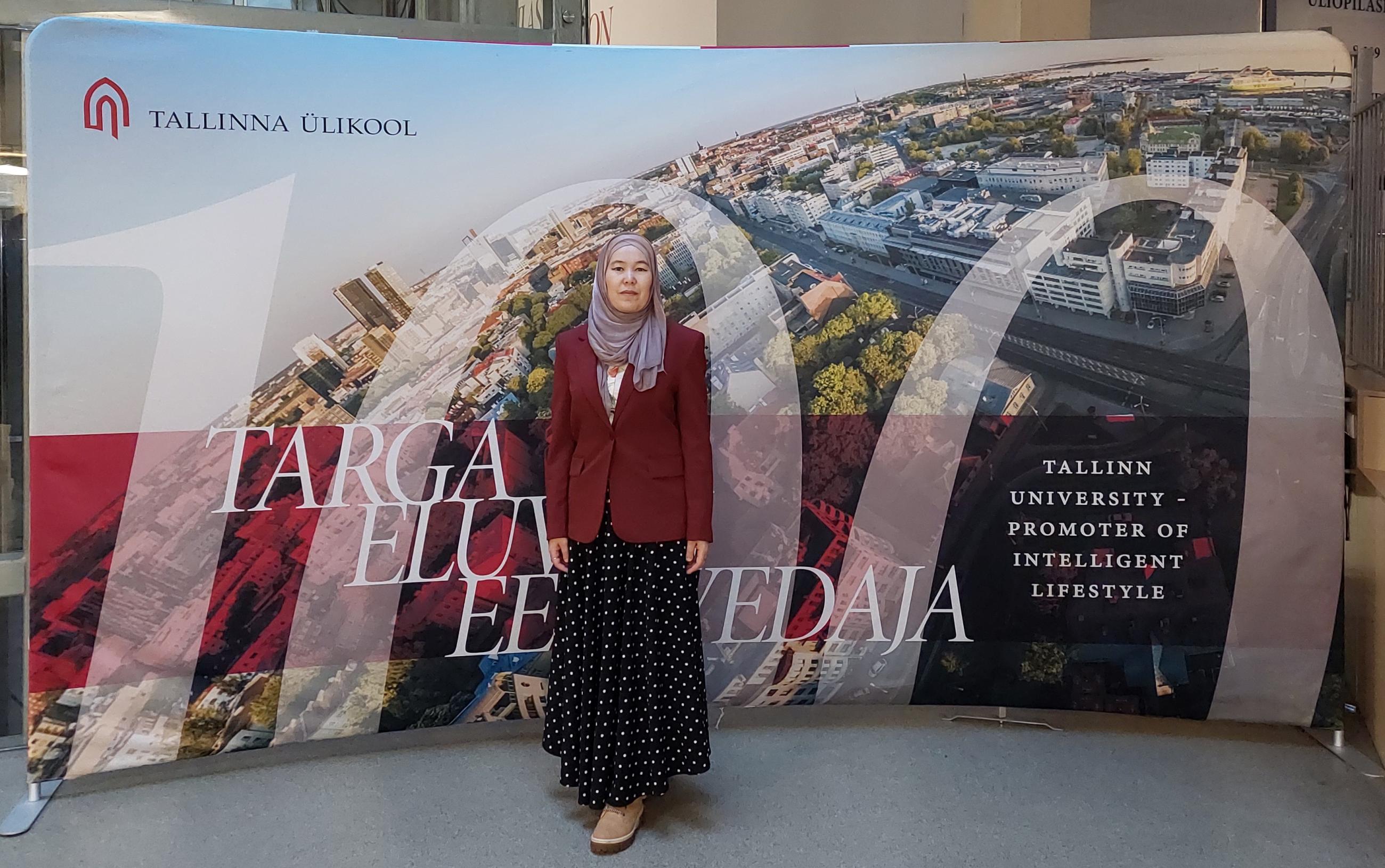
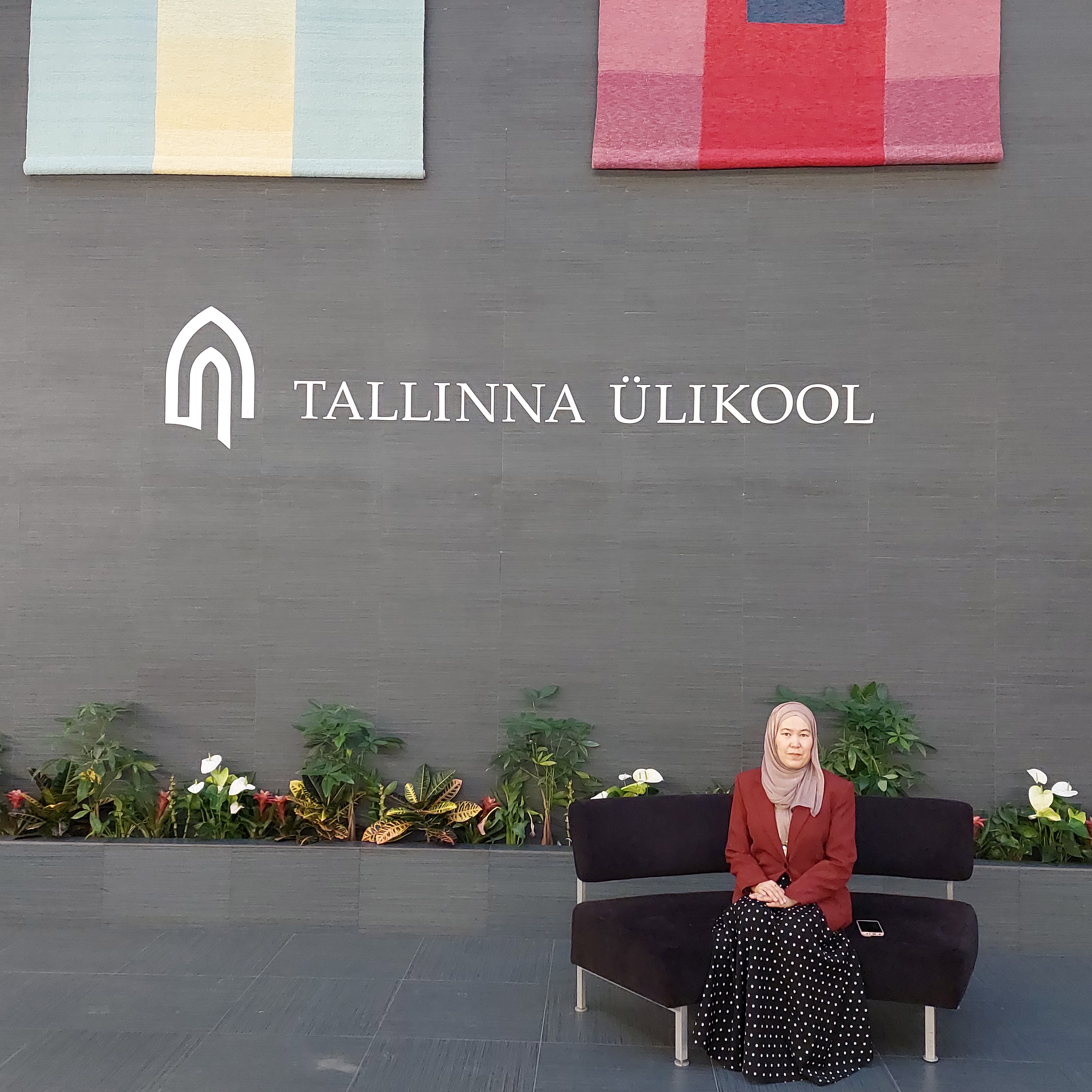
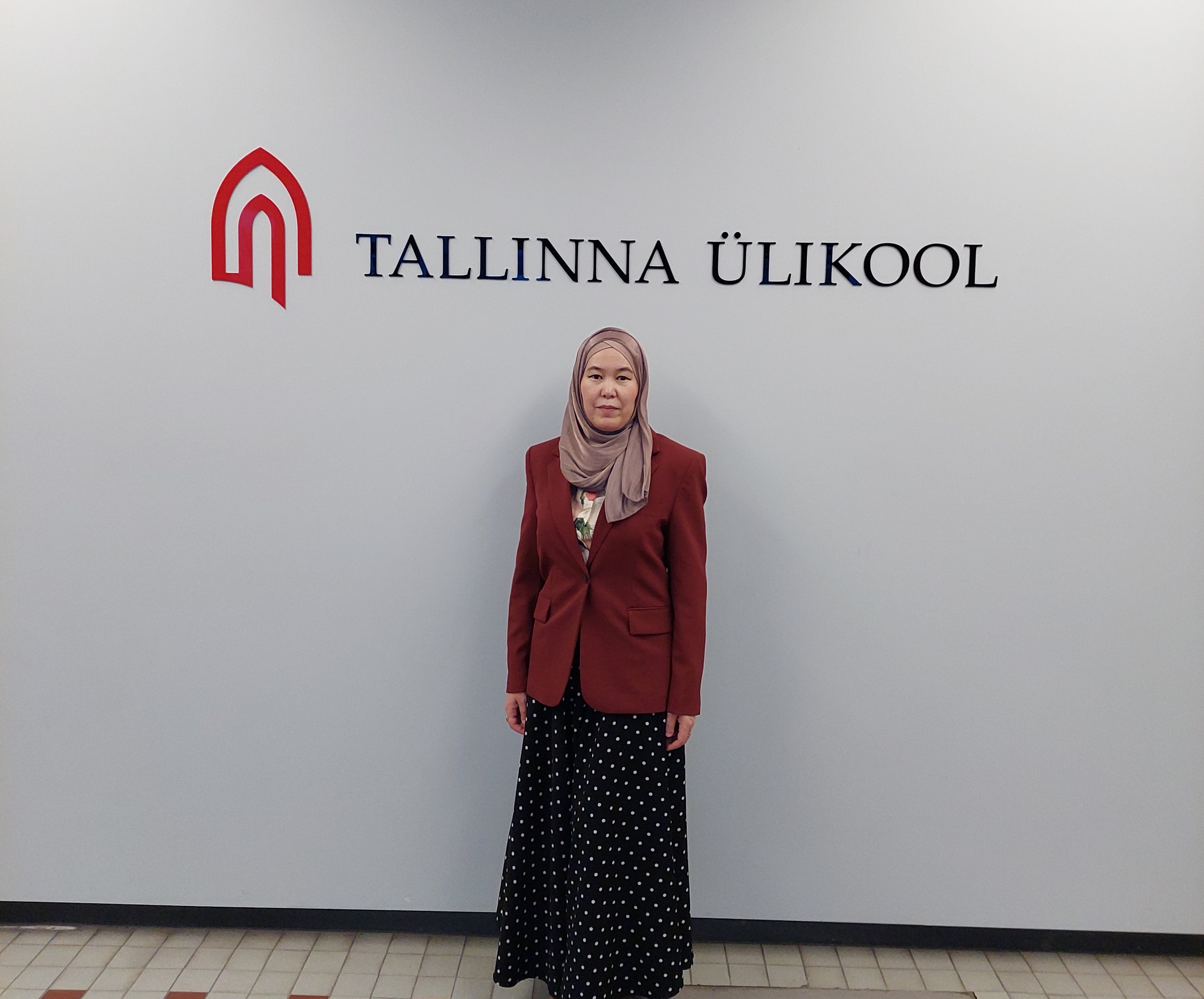
Dinara Imanova is a third-year PhD student at L. N. Gumilyov Eurasian National University in Astana, Kazakhstan. In January 2026, she completed a blended-format research internship at Tallinn University Baltic Film, Media and Arts School under the supervision of Professor Anastassia Zabrodskaja. In this interview, Dinara talks about her doctoral research, her experience at Tallinn University, and how international academic collaboration has influenced her work and future plans.
What challenges have you encountered during your research, and how have you addressed them? Have you identified any key findings so far?
One of the main challenges I have faced is gaining access to up-to-date international scholarship and navigating the methodological complexity of language policy research. I addressed these challenges through extensive literature searches, regular consultations with my supervisors, and active academic collaboration during my research internship at Tallinn University. So far, my findings highlight the importance of policy coherence, teacher capacity, and sensitivity to sociolinguistic context in multilingual education reforms. These factors are often underestimated in high-level policy narratives, yet they play a crucial role in how language policies are implemented in practice.
What brought you to Tallinn University, and what were your expectations before starting your internship?
When planning my doctoral research, my local supervisor, Associate Professor Assel Akzhigitova, and I identified the need for collaboration with an international expert specialising in sociolinguistic research. We were looking for advanced methodological guidance and support in thesis writing and academic publishing. Professor Anastassia Zabrodskaja, whose work is highly regarded in the field, kindly agreed to supervise and collaborate with us. Her previous and ongoing academic partnership with Professor Akzhigitova made Tallinn University an ideal host institution, ensuring continuity and depth in supervising my research. Before arriving, I expected to strengthen the theoretical and methodological foundations of my dissertation, and these expectations were fully met during the internship.
How did the blended format of your internship work, and what did you find most valuable about your time at Tallinn University?
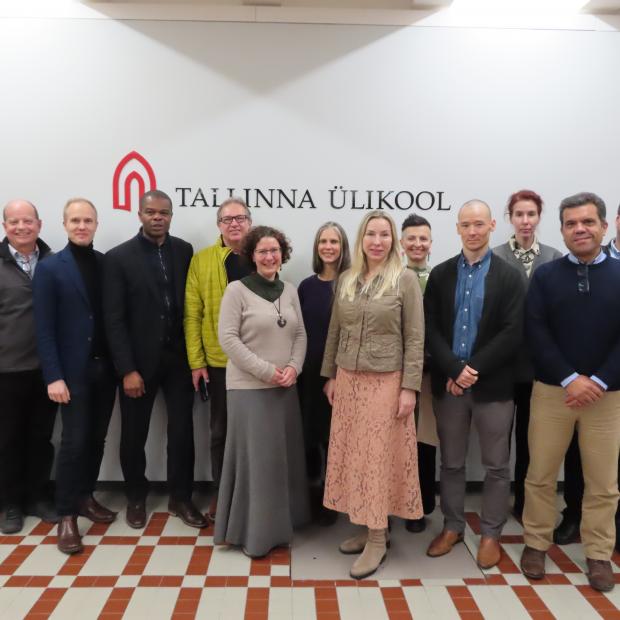
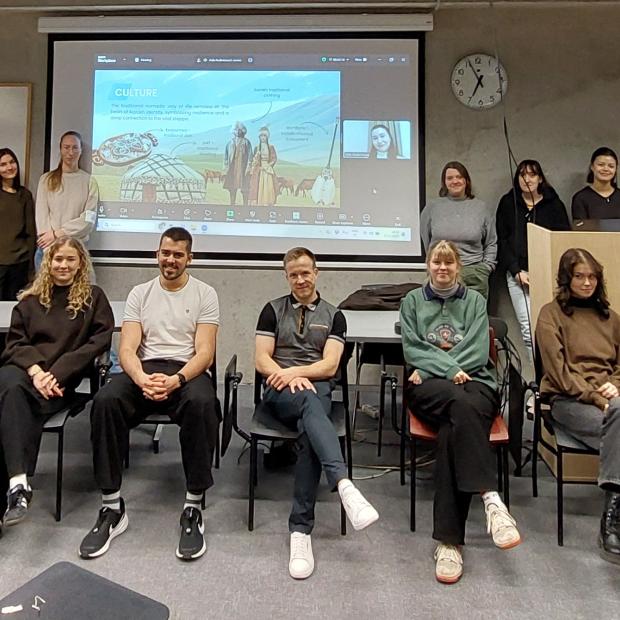
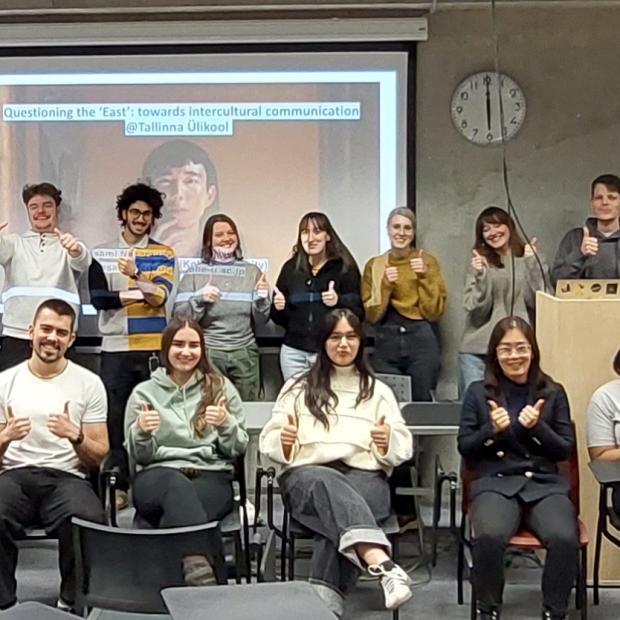
The blended format of the internship consisted of an online preparatory phase from 15 to 30 December 2025, followed by an intensive on-site period at Tallinn University’s Baltic Film, Media and Arts School from 1 to 15 January 2026. This structure allowed me to become familiar with Tallinn University’s academic environment in advance and then fully engage in in-person research activities. During my stay, I attended Winter School lectures, participated in research consultations, and engaged in meaningful academic discussions. The most valuable aspects of my time at Tallinn University were the detailed and constructive feedback from Professor Zabrodskaja and the strong intellectual support provided by the academic community.
What did you work on at Tallinn University as part of your doctoral dissertation?
At Tallinn University, I worked on several key components of my doctoral dissertation, including refining my research design, developing analytical sections, and preparing a manuscript for submission to the International Journal of Multilingualism. Under the supervision and co-authorship of Professor Anastassia Zabrodskaja and Professor Assel Akzhigitova, the manuscript was completed and submitted, which marked an important milestone in my academic development. I also made extensive use of the university’s electronic databases, visited the Academic Library and Learning Centre, and participated in scholarly discussions as part of the Winter School programme.
How has this international experience shaped you as a researcher, and how do you see your work developing in the future?
This international experience significantly broadened my perspective as a researcher. It strengthened my methodological and analytical skills and deepened my understanding of multilingual language policy research in a global context. After completing my PhD, I plan to continue working in academia, further develop my research on multilingualism and language policy in Central Asia, and contribute to collaborative international projects focusing on language, language-in-education policy, and foreign language education.
Is there anyone you would like to acknowledge?
I am deeply grateful to Professor Anastassia Zabrodskaja for her generous guidance, thoughtful feedback, and collaboration throughout the internship. I would also like to sincerely thank Tallinn University Baltic Film, Media and Arts School for welcoming me as a visiting researcher and for providing such a supportive and stimulating academic environment.
Tallinn University Baltic Film, Media and Arts School congratulates Dinara Imanova on the successful completion of her research internship and the academic achievements accomplished during her stay. The university looks forward to continued scholarly collaboration with L. N. Gumilyov Eurasian National University. Dinara’s work reflects the value of international academic exchange and highlights a shared commitment to fostering sustainable research partnerships that support researchers, institutions, and the wider academic community. Through such collaborations, Tallinn University continues to strengthen its role as an internationally engaged centre for research and education in the field of intercultural communication.
For additional information, please reach out to Dr. Anastassia Zabrodskaja, Professor of Intercultural Communication, Head of the MA Program in Communication Management, and Executive Director of the European Masters in Intercultural Communication, at anastassia.zabrodskaja@tlu.ee.