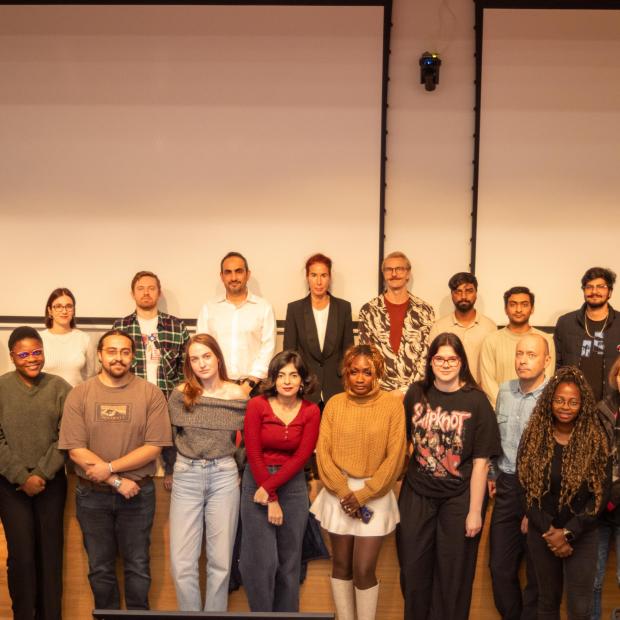
Connecting European and American Perspectives on Language and Identity: Professor Zabrodskaja’s Erasmus+ Mobility at the University of Kentucky
From 18 to 22 January 2026, Professor Anastassia Zabrodskaja carried out an Erasmus+ teaching mobility at the College of Communication and Information, Department of Communication, at the University of Kentucky, USA.
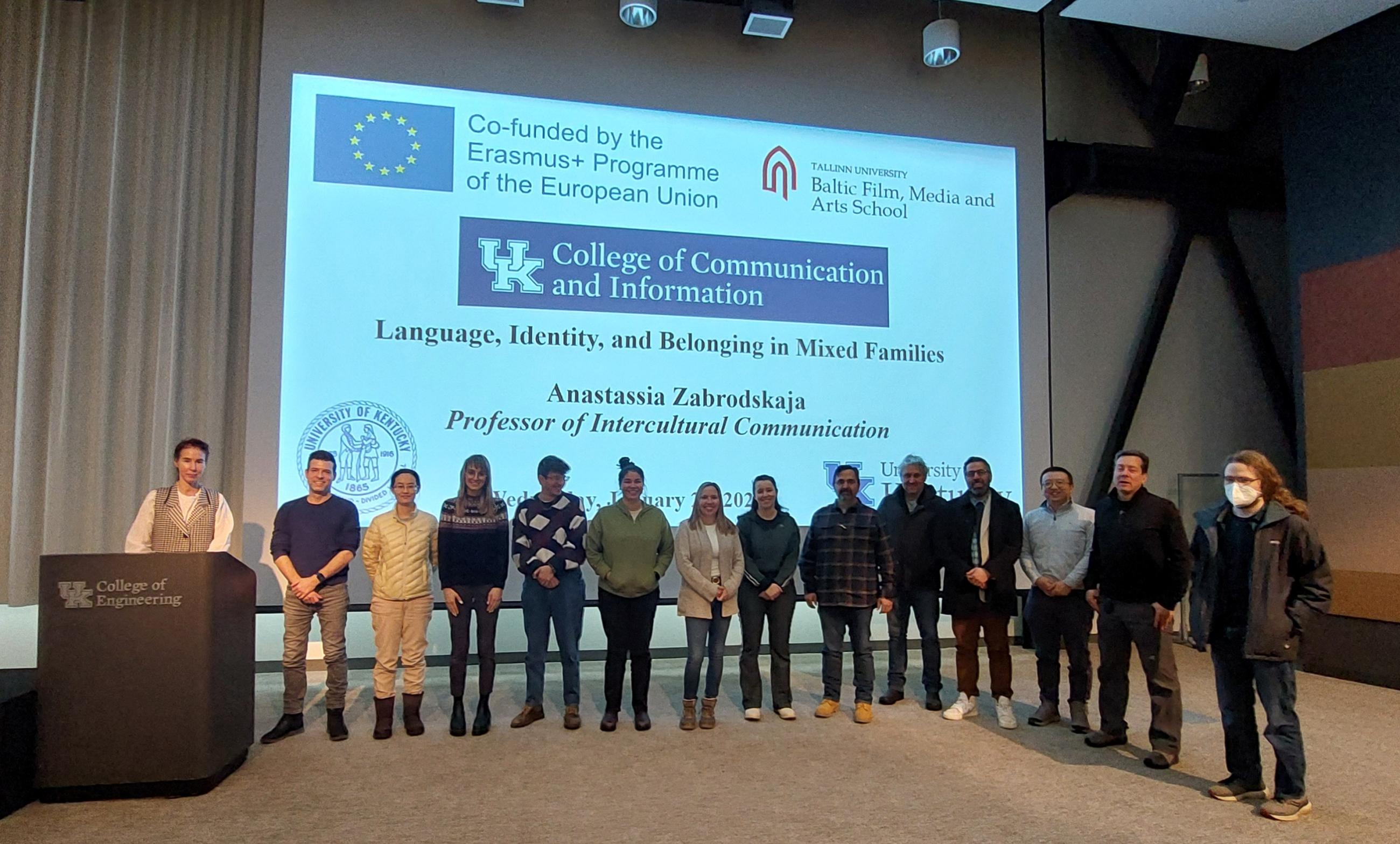
The visit formed part of the Erasmus+ teaching and training exchange programme and marked the beginning of a new institutional collaboration between Tallinn University and the University of Kentucky in the field of intercultural and intergroup communication. Professor Zabrodskaja’s mobility initiated academic cooperation with Professor Marko Dragojevic. Douglas A. and Carole A. Boyd Professor of Communication, Professor Marko Dragojevic, is an internationally recognized scholar whose research focuses on language attitudes and ideologies, communication accommodation, intergroup and interpersonal communication, and linguistic framing in persuasion. His work, including the development of the fluency principle in language attitudes research, has had a significant impact on understanding how accent, code-mixing, and linguistic practices shape social perception, inclusion, and communication effectiveness.
A particularly meaningful dimension of this collaboration lies in the shared leadership roles that Professor Marko Dragojevic and Professor Anastassia Zabrodskaja hold within the International Association for Language and Social Psychology (IALSP). Professor Dragojevic currently serves as President of IALSP, the leading international scholarly association dedicated to research at the intersection of language and social psychology, guiding initiatives that advance global dialogue on language attitudes, intergroup communication, and linguistic variation. Simultaneously, Professor Zabrodskaja serves as President Elect of the association and is scheduled to assume the presidency following Dragojevic’s term. Their consecutive leadership underscores the scholarly alignment between the two and positions the collaboration to shape the future direction of research and teaching in language and social psychology at a global level.
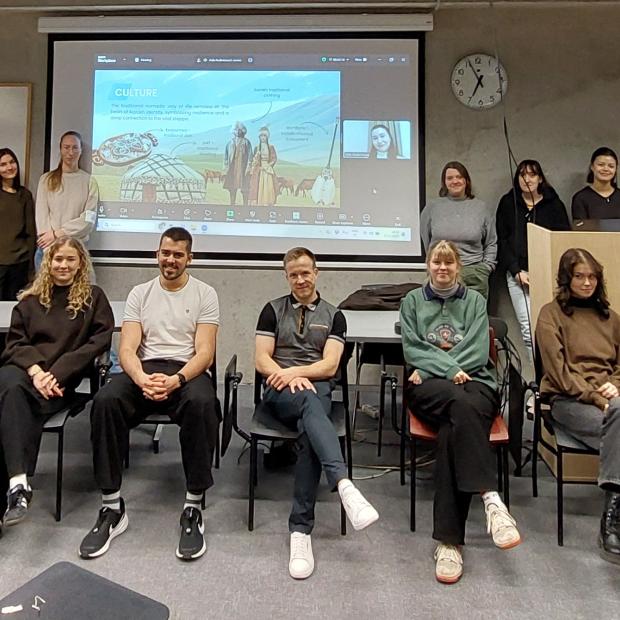
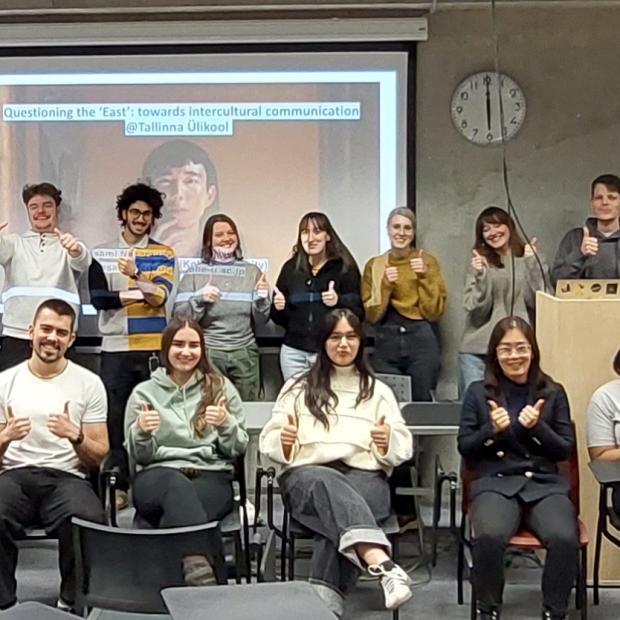
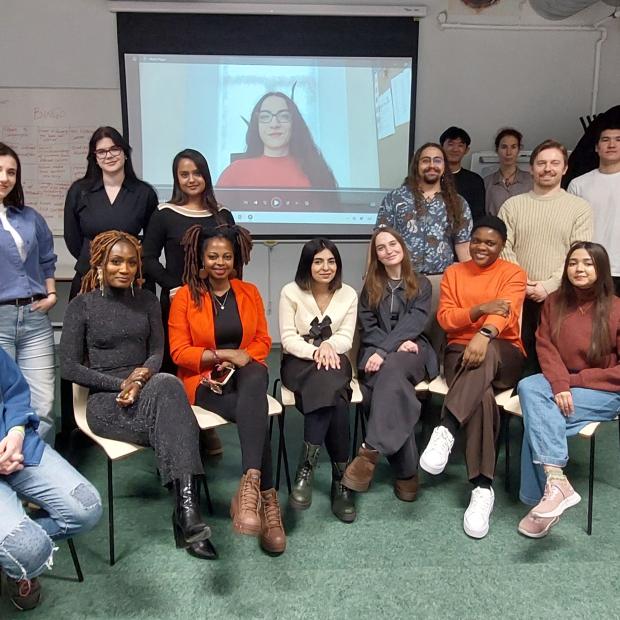
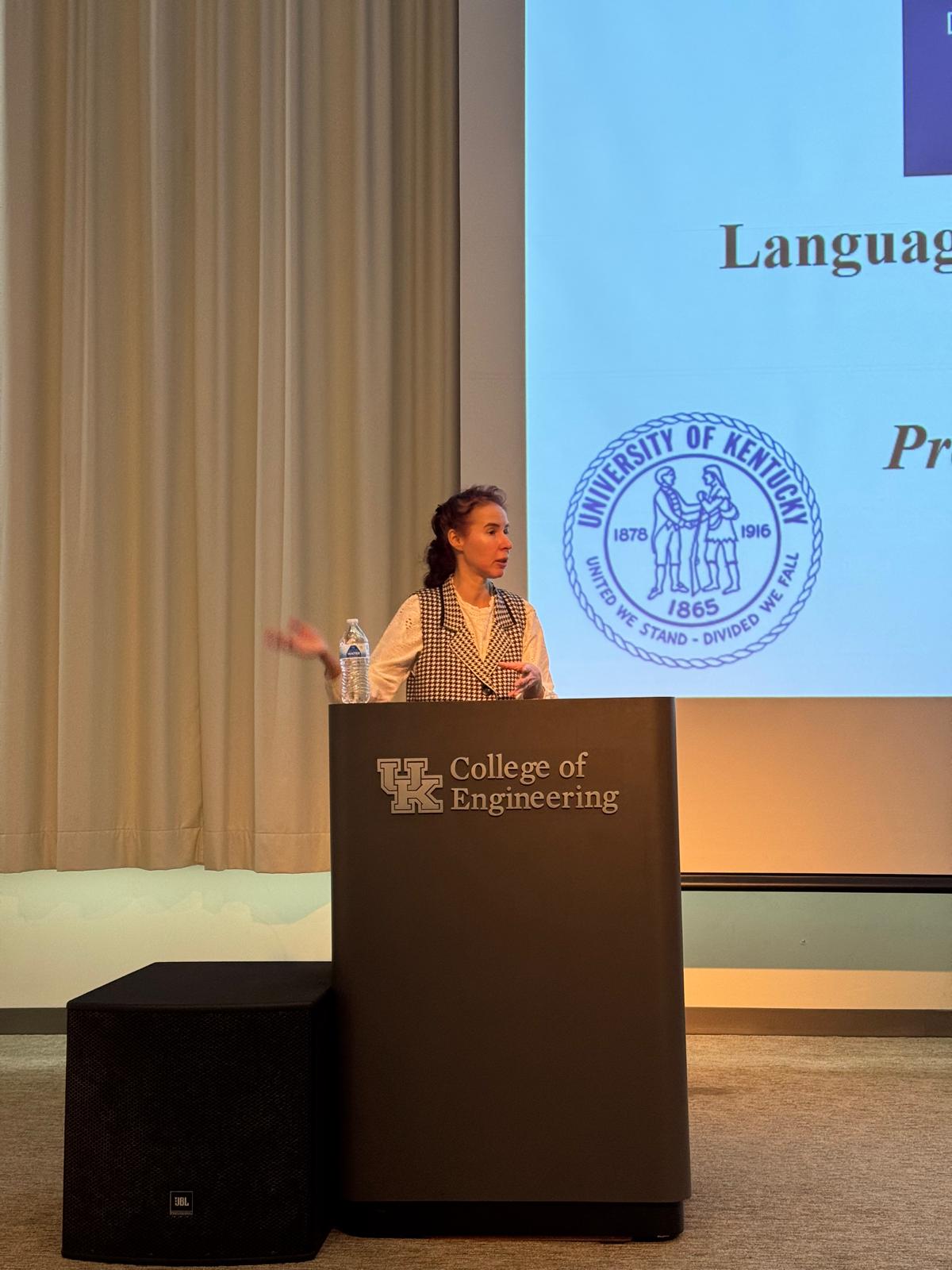
During the mobility, Professor Zabrodskaja worked closely with Professor Dragojevic to connect European and North American perspectives on identity, language contact, and intergroup dynamics. Their collaboration created a strong intellectual bridge between sociolinguistic and social-psychological approaches to communication, allowing students to explore how language practices influence intergroup relations, persuasion processes, and communication management in diverse societies. Throughout the visit, Professor Zabrodskaja contributed to undergraduate and graduate-level courses related to intercultural and intergroup communication in global contexts. Students at the University of Kentucky engaged with topics such as identity construction, language attitudes, accommodation and non-accommodation, linguistic diversity, and media discourse. Drawing on Professor Dragojevic’s expertise in language and intergroup dynamics, including his work on language attitudes, accent perception, and communication accommodation theory, classroom discussions emphasized how accents, code-switching, and framing influence social evaluation, inclusion, and conflict processes in contemporary communication contexts.
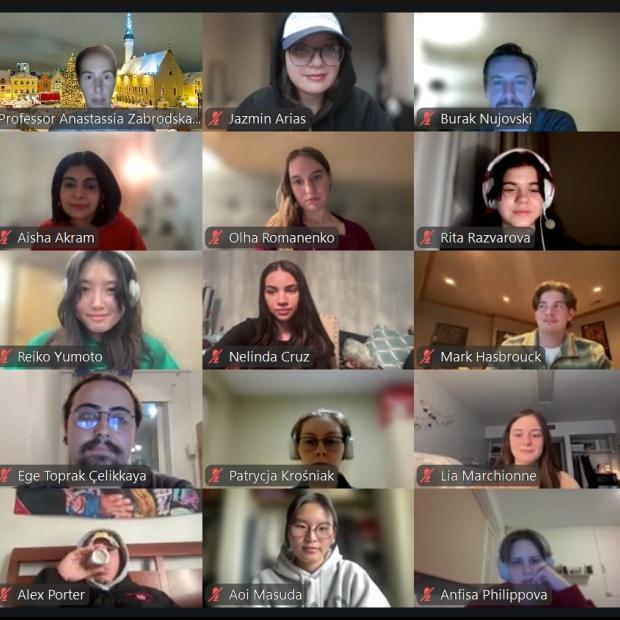
In parallel, Professor Zabrodskaja updated Tallinn University’s course “Globalization and Identity in Society” by integrating insights gained from Professor Dragojevic’s research and teaching practices. This ensured the continued relevance of the course in addressing global challenges related to diversity, mobility, and intercultural communication. Beyond teaching, the Erasmus+ mobility supported professional networking and the exchange of academic practices between the two institutions. The mobility also enhanced the international profile of Tallinn University’s research in language, identity, and intercultural communication within North American academic networks. These experiences informed further development of the Communication Management MA programme at Tallinn University Baltic Film, Media and Arts School, particularly in strengthening its international and research-based orientation.
The visit also laid the groundwork for future cooperation, including joint teaching initiatives, collaborative research on language attitudes and accommodation, and reciprocal mobility. Professor Dragojevic is expected to visit Tallinn University at a later stage as part of the continuing partnership launched by Professor Zabrodskaja’s Erasmus+ mobility. Overall, the mobility exemplified the core objectives of the Erasmus+ programme: promoting international cooperation, advancing intercultural understanding, and building sustainable academic networks. Professor Zabrodskaja extends her sincere appreciation to the College of Communication and Information at the University of Kentucky and Professor Marko Dragojevic for their academic openness, collegial support, and stimulating collaborative environment. She looks forward to sustained cooperation, reciprocal mobility, and joint research initiatives between Tallinn University and the University of Kentucky.
**
This text was prepared by Dr. Anastassia Zabrodskaja, Professor of Intercultural Communication, Head of the MA Programme in Communication Management, and Executive Director of the European Masters in Intercultural Communication. For further information, please contact: anastassia.zabrodskaja@tlu.ee.