Doctoral dissertation: Estonian nurses increasingly support holistic patient well-being
Recent research shows that the role of Estonian nurses in healthcare has expanded significantly over the past 30 years. Nurses act as autonomous decision-makers and increasingly also support the holistic well-being of patients, creating a bridge between healthcare and social work.

Whereas in the late 1990s, nurses were often seen as assistants to doctors, today they have evolved into autonomoushealthcare professionals with decision-making power. In addition, the treatment-centred role of nurses has increasingly shifted toward supporting the holistic well-being of patients. As well as physical nursing care, nurses are increasingly involved in supporting patients' mental health, social and existential needs.
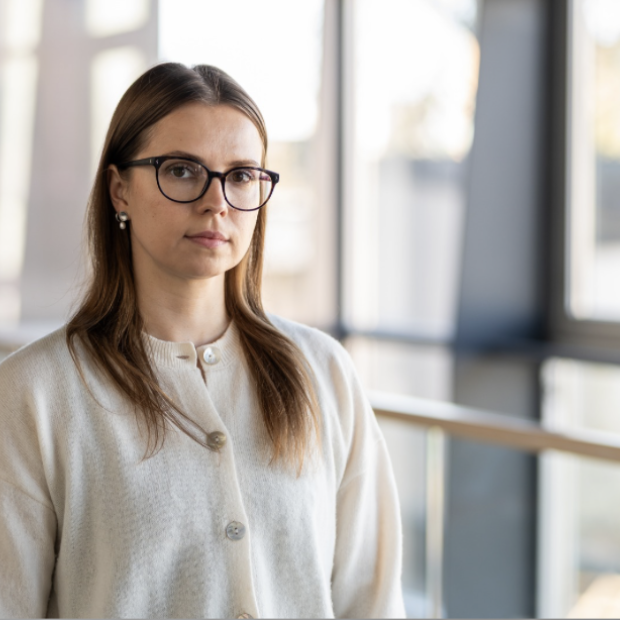
Ulvi Kõrgemaa, a PhD student at Tallinn University's School of Governance, Law and Society, demonstrates in her doctoral thesis how nursing in Estonia has evolved over the past three decades, creating an increasingly clear bridge between healthcare and social work.
A study over three timelines reveals the changing identity of nurses
In her doctoral thesis, Ulvi Kõrgemaa analyses nurses' views on the development of nursing in Estonia in 1999, 2009 and 2021. The study is based on three cross-sectional surveys of nurses working in hospitals.
The results of the survey show that the professional role and identity of nurses has clearly strengthened over time. "Nurses are increasingly valuing their professional knowledge, education and responsibility and see themselves as active participants in shaping the well-being of patients," says Kõrgemaa, outlining the major changes. Nursing care is no longer limited to supporting the treatment process, but also includes conscious support for the patient's well-being, sense of security and quality of life.
The change in the meaning of the nurse-patient relationship is particularly evident. According to the survey, there is a growing understanding that quality nursing care requires a trusting and consistent relationship with the patient. "Listening to the patient and noticing their individual needs is prioritised," says Ulvi Kõrgemaa. "That's why nurses also attach great importance to cooperation with other specialists. In this way, the patient can be supported as a whole, not just according to a medical diagnosis."
The working environment affects the quality of nursing care while workload affects the content of care
The dissertation also highlights that the quality of nursing care is linked to the working environment and organisational culture. According to nurses, the organisation of work, time management and teamwork directly influence the extent to which holistic and patient-centred care can be provided. When the working environment supports professional decision-making and collaboration, nursing care is more meaningful and better supports patients' well-being.
At the same time, nurses point out that high workload and time pressure directly affect the content of nursing care. When work is severely time-limited, the focus is on the unavoidable, with less opportunity for in-depth exploration, communication and noticing the individual needs of the patient. This creates a tension between the nurses' professional perception and their actual work practice.
A step towards holistic nursing development
The study is socially important because it highlights the role of nursing as a central part of the health care system and highlights the need for closer integration between nursing and social work. Many patients' needs go beyond treatment – holistic care requires informed cooperation between various disciplines. This is essential to promote more person-centred and holistic nursing care in Estonia.
Ulvi Kõrgemaa is the Vice Rector for Academic Affairs at the Tallinn Health Care College. She completed her PhD studies at Tallinn University and Tallinn Health Care College under a cooperation agreement. This means that the doctoral thesis was a study on a topic of interest to the partner institution.
The results of Ulvi Kõrgemaa's doctoral dissertation provide important input for the development of nurse training and working conditions, as well as for the development of health and social policy.
The thesis defence
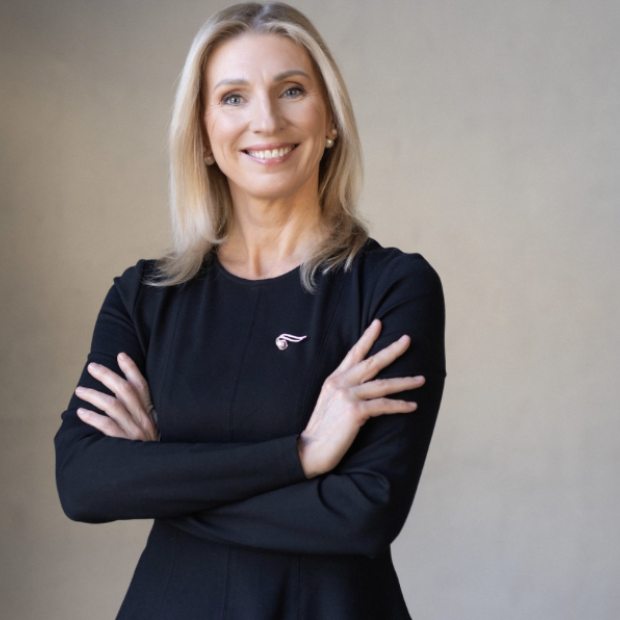
Ulvi Kõrgemaa is a PhD student at the Tallinn University’s School of Governance, Law and Society.
Her doctoral thesis is entitled Hospital Nurses’ Reflections on Three Decades of Development in Nursing Education, Practice and Work Environment in Estonia.
The public defence of the thesis will take place on 23 January 2026 at 11:00 in Tallinn University Hall M648. The public can also follow the defence and ask the degree candidate questions through Zoom.
The supervisors of the thesis are Merike Sisask, Professor at Tallinn University, and Ülle Ernits, Rector of Tallinn Health Care College.
The opponents are Riina Kiik, Professor at the Norwegian University of Science and Technology, and Merle Varik, Associate Professor at the Tartu Health Care College.
The doctoral thesis is available in the ETERA digital environment of the Tallinn University Academic Library.