Tallinn University Research Year 2025: Bringing New Knowledge into Real Life
The year 2025 at Tallinn University was characterized by a clear focus on knowledge transfer – research results that can be applied to addressing real-life challenges.
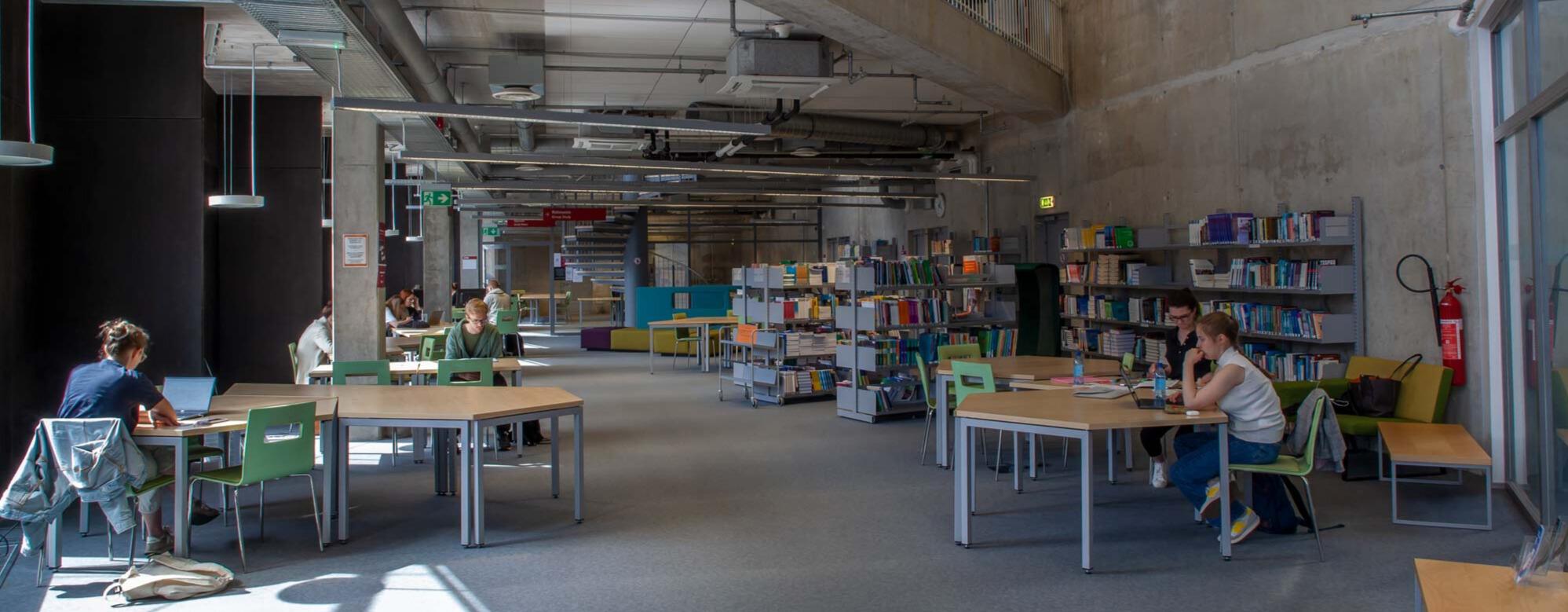
Research carried out during the year produced new practical knowledge across a wide range of fields, including education, public health, environmental protection, the development of democracy and society more broadly. Doctoral theses, international projects and applied research all provided decision-makers with practical, research-based tools.
Reflecting on Tallinn University’s research activities in 2025, Head of Knowledge Transfer and Project Support Office Aija Sakova highlights several significant examples of research application. Among other notable achievements, the past year saw the following knowledge-transfer outcomes:
- Under the leadership of Associate Professor of Psychology of Law Kristjan Kask, a prototype of a web-based software for simulating witness interviews, Adult Witness Avatar (AWA), was developed. The tool enables interviewers to practice formulating questions with virtual avatars portraying victims and witnesses.
- With the involvement of researchers from the Institute of Ecology, Estonia’s lakes were mapped in terms of depth and an action plan for peatlands up to 2035 was prepared, offering valuable input for environmental management and nature conservation.
- Professor of International Relations Birgit Poopuu participated as a lead researcher in the preparation of the international politics handbook "The Oxford Handbook of Knowledge and Expertise in International Politics".
- Curated by Professor of Media Innovation Indrek Ibrus, the Film Industry Data Repository (FIDA) was created, bringing together data on European films and their circulation. FIDA aggregates and cross-analyses unique global data on the life cycle of European films, covering all major stages and distribution windows: festivals, cinemas, television and VOD (video on demand).
- Led by Professor of Human–Computer Interaction David Lamas, democracy labs were piloted as an important intervention aimed at exploring the future of civic activity and democratic participation in Europe. The democracy labs were conducted in six countries and involved more than 180 citizens. Soon, researchers will present the results of their work at the European Parliament.
- Maiki Vanahans’s doctoral thesis highlighted cultural blindness in education, a phenomenon that has not previously been widely acknowledged in Estonia. Cultural blindness refers to situations where teachers do not distinguish between children based on nationality or culture, yet do not sufficiently consider learners’ cultural backgrounds. This insight is important for teacher education, helping to shape the attitudes, knowledge and skills needed to teach effectively in multicultural environments.
These are only a few examples of Tallinn University’s research activities in 2025 across different fields, the results of which are directly applicable and have significant societal impact. The focus on knowledge transfer will continue to guide the university’s research activities in 2026.
Tallinn University’s five priority areas remain educational innovation, digital and media culture, cultural competences, healthy and sustainable lifestyles, and society and open governance.